How Venezuela Is Getting Help After Deadly Earthquakes
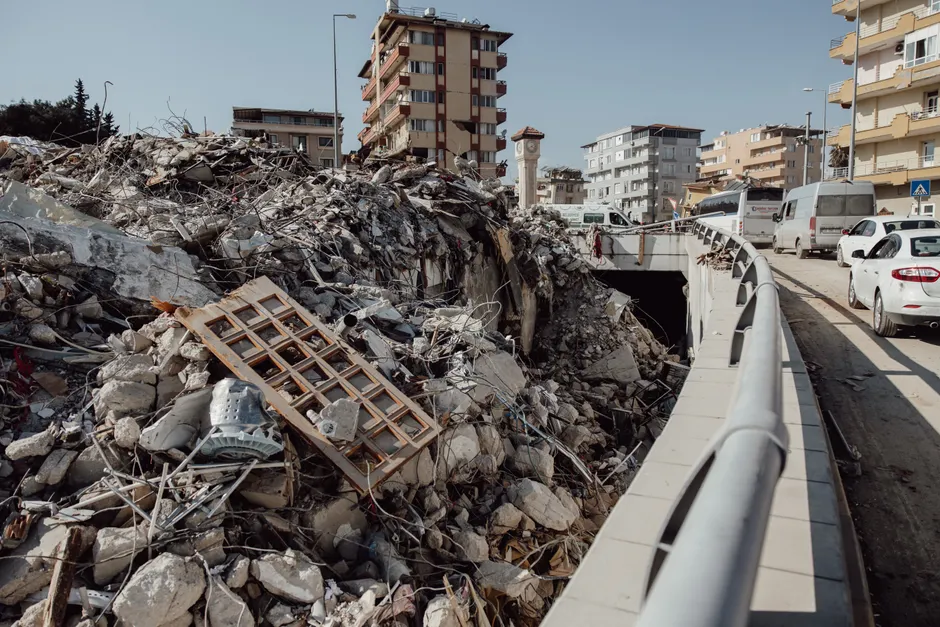
Two earthquakes struck Venezuela and caused serious damage. By Saturday, June 28, Venezuelan officials said that 17 flights had brought more than 1,600 rescue workers to the country — a huge effort for a nation that normally has tense relations with Western countries.
The European Union sent teams quickly. According to the EU, Brussels dispatched firefighters, search-and-rescue dogs, doctors, and other workers as part of an emergency response coordinated through the EU Civil Protection Mechanism — basically, a system where European countries pool their disaster-response teams and send them where they're needed fast.
The Race Against Time
Rescue workers were still searching through rubble on June 28, looking for thousands of missing people. When two earthquakes hit the same area, they cause more damage than a single earthquake would — buildings that survived the first one may collapse in the second. Venezuela's infrastructure was already weak from years of economic hardship, so rescue teams with special training in urban search and rescue became critical immediately after the earthquakes struck.
Time is everything in these situations. People can survive under collapsed buildings for about three days before the odds drop sharply. International rescue teams were racing against that clock.
Why This Is Surprising
Venezuela's government, led by Nicolás Maduro, has had bad relations with Europe and the United States for years. The European Union has punished Venezuela with economic sanctions over concerns about democracy and human rights. So accepting rescue teams from the EU might seem unexpected.
But when disaster strikes, political arguments often take a back seat. Maduro's government had good reasons to welcome the help: more rescue workers meant more lives saved, and showing the Venezuelan people that the government could manage the crisis was important for his standing at home.
Why Venezuela Is at Risk
Venezuela sits in one of South America's most earthquake-prone regions. The land sits on top of where two massive tectonic plates meet and push against each other. Large cities like Caracas are built near major fault lines where earthquakes happen.
When earthquakes hit wealthy countries with strong, well-maintained buildings, fewer people die. Venezuela's buildings and infrastructure have deteriorated over years of economic crisis and lack of investment in safety standards. That means the same-strength earthquake causes much more damage and more deaths.
A Major Operation
More than 1,600 rescue workers from multiple countries arrived in 17 flights. That's a genuinely large international effort. The European Union alone sent composite teams from several member states working under one command. Getting these teams in place fast was crucial — in collapsed-building rescues, the first 72 hours are when you find the most survivors.
What We'll Know Soon
Over the coming days, as rescuers gain access to more areas and count the damage, the true scale of the disaster will become clear. Large international mobilizations like this one don't happen for small events. The number of deaths and the extent of destruction will ultimately show whether this becomes one of Venezuela's worst natural disasters on record.


