Venezuela Hit by Powerful Earthquakes: Why the First Day Matters

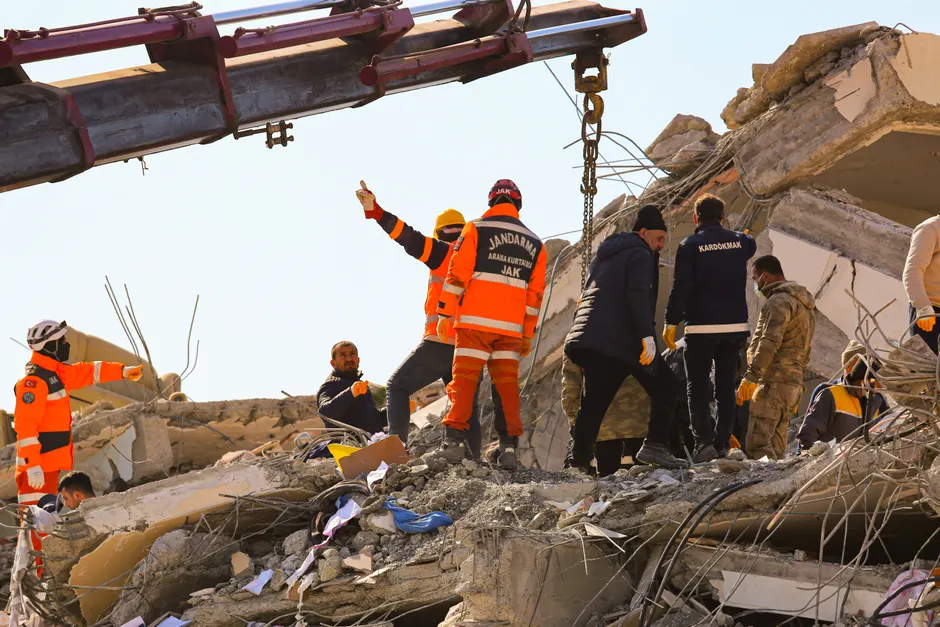
Two strong earthquakes struck Venezuela on Wednesday, June 24, killing at least 32 people and injuring more than 700. In La Guaira, the coastal city near the capital Caracas, people dug through collapsed buildings with their hands trying to rescue trapped neighbors.
The response is urgent because time is critical. Research on past earthquakes shows that most people pulled alive from collapsed buildings are rescued within the first 24 hours. After that, the chances of finding survivors drop sharply. People trapped in pockets of air inside rubble can survive for a week or more, but only if conditions are right. This means rescue teams have a window of opportunity — and speed matters enormously.
La Guaira faces particular danger. The city sits squeezed between the ocean and steep mountains, a setup that intensifies earthquake shaking and makes it hard for people to escape. The area has a difficult history: in 1999, a massive mudslide and flood killed tens of thousands there. Since then, many people have built homes on unstable ground in the same area. Many buildings in poorer neighborhoods are old and not built to survive earthquakes — a factor that causes more collapses when the ground shakes hard.
Venezuela's emergency systems are not strong right now. The country has faced severe economic problems for about a decade, which meant less money for hospitals, rescue equipment, and disaster preparation. This matters during a crisis. On top of this, the Venezuelan government does not always accept help easily from Western countries, which can slow down international aid. If aid gets stuck at borders or held up in customs, fewer people will survive.
Earthquakes happen regularly in Venezuela because of where it sits geographically — along a zone where two major tectonic plates push against each other. But the country has invested less in earthquake early-warning systems and building safety compared to its neighbors, Colombia and Peru.
Right now, every hour counts. Getting rescue teams and doctors into the affected areas before that first day ends could save lives. The help is coming, but how fast it actually arrives will determine how many people survive.