Why Your Computer Can't Get Enough Memory: The AI Boom Is Using It All Up

Why Your Computer Can't Get Enough Memory: The AI Boom Is Using It All Up
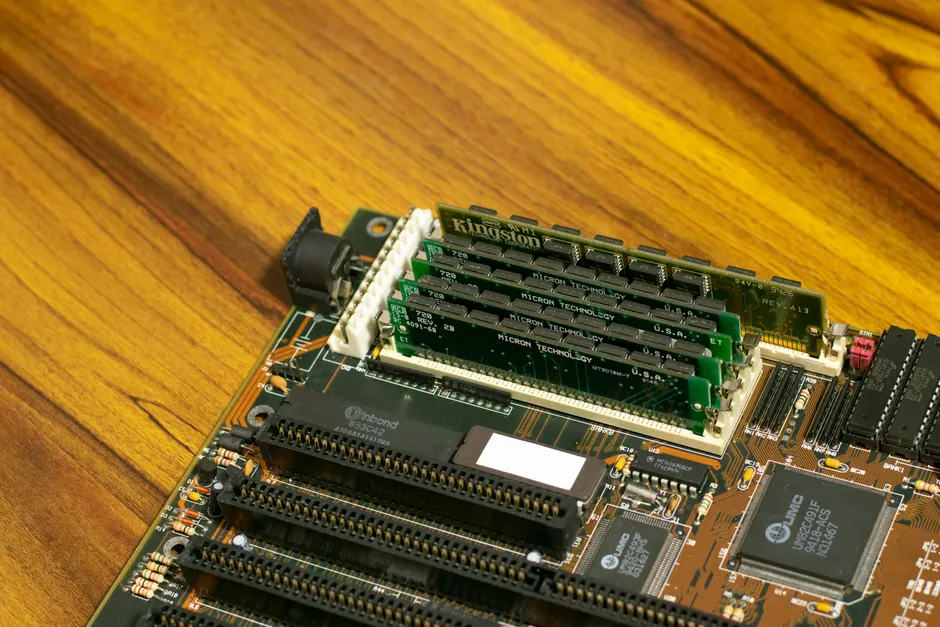
The companies that make computer memory are struggling to keep up with demand. They predict shortages could last until 2027. The main reason? Artificial intelligence (AI) systems need enormous amounts of fast memory to work properly. Add in supply chain problems and limited factory capacity, and you have a perfect storm affecting everything from massive data centers to the devices you use every day.
Why AI Needs So Much Memory
Think of a computer's memory like a desk. The bigger your desk, the more papers you can spread out and work on at once. If you keep having to file papers away and dig them back out, you move slowly.
AI systems — especially ones that power chatbots and image generators — are like someone trying to work on millions of papers at the same time. These systems have huge sets of instructions (called "parameters") that need to stay on the desk (in fast memory) at all times. If the computer has to keep filing these away and digging them back out, everything slows down dramatically.
A regular server computer might work fine with 128 to 512 gigabytes of memory (think of this as desk space). But AI systems often need 2 to 4 terabytes of memory — that's about 4,000 times more! Without this space, they perform terribly.
Now, AI systems are shifting from labs (where a few researchers experiment) to the real world (where millions of people use them). This is like a small local business suddenly becoming a massive chain. The memory demand jumped from concentrated in a few research centers to spread across thousands of servers worldwide.
The Factories Can't Keep Up
Making advanced computer memory is incredibly complicated and slow. Traditional memory manufacturing is like making boxes. Advanced AI memory is like making microscopic origami — it requires folding layers together with extreme precision.
Three major companies make most of the world's memory: Samsung, SK Hynix, and Micron. They all announced plans to make more memory, but building a new factory takes 18 to 24 months before it's fully running. At the current speed, memory factories won't be able to make as much as people need until late 2026 or early 2027 — and that's only if AI doesn't grow even faster than it's already growing.
The shortage isn't just affecting cutting-edge AI memory. It's also hitting regular memory used in everyday computers and phones. When factories focus on expensive AI memory (which makes more profit), they make less regular memory, so shortages spread everywhere.
Big Tech Companies Are Buying It All Up
Massive tech companies like Amazon, Microsoft, and Google have changed how they buy memory. Instead of buying general-purpose computers, they now buy specialized machines packed with huge amounts of memory just for AI tasks.
Here's the difference: a normal website might run fine on a computer with 4 to 16 gigabytes of memory. But an AI system serving the same website might need 80 to 1,000 gigabytes per computer. This puts enormous pressure on the memory supply chain.
Smaller companies trying to build their own AI systems face the same problem. They have to compete with tech giants for limited memory supplies, which means longer waits and higher prices.
Your Phone, Gaming Console, and Laptop Are Affected Too
The memory shortage doesn't just affect giant data centers — it's reaching your home devices too.
Gaming consoles and high-end graphics cards are running short on memory. To support realistic graphics and new AI-powered features, these cards need 16 to 24 gigabytes of memory. Without it, manufacturers are delaying new products and limiting how many they make.
Smartphones and tablets are also affected. Modern phones increasingly use AI for things like improving photos, understanding voice commands, and predicting what you'll type next. These features require more memory than older phones needed.
Memory Makers Are Trying to Expand (But It's Slow)
Memory companies know about the shortage and are building more factories. SK Hynix plans to make nearly 3 times more AI memory by 2025. Samsung is doing something similar. But there are problems:
- Building the equipment for these factories takes 12 to 18 months
- Advanced memory requires specialized equipment made by only a few companies worldwide
- Building the factories themselves costs billions of dollars
So even though companies are expanding, it's happening slowly.
Prices Are Going Up Dramatically
Memory prices have jumped 40% to 60% since early 2023. AI memory costs even more — sometimes 5 to 8 times more expensive than regular memory.
This creates a two-tier system. Big companies with lots of money can afford expensive memory and keep building AI systems. Smaller companies and regular consumers struggle with the cost and often have to delay their plans.
Some people are trying to buy used memory as an alternative, but old memory doesn't work well with modern AI systems, so this doesn't solve the problem much.
Companies Are Getting Smarter About Memory Use
While waiting for more memory to be manufactured, software makers are finding ways to use less of it.
One technique is called "quantization." Think of it like this: instead of storing a recipe with every tiny detail, you simplify it. You can reduce memory needs by 75% to 87% while still getting the same results in most cases.
Engineers are also designing AI systems that are naturally more memory-efficient. And chip makers are adding special high-speed storage inside the chip itself to reduce how much external memory they need to access.
When Will This End?
Industry experts think memory supply and demand will finally match up sometime between late 2026 and early 2027. But this assumes:
- No major delays in building new factories
- AI adoption slows down or stays at current rates
If AI keeps growing faster than expected, shortages could last longer.
The shortage has also pushed companies to research completely new types of memory that work differently from traditional chips. These aren't ready for regular use yet, but pressure from the shortage is speeding up their development.
The Big Picture
This isn't just a temporary problem. It shows that AI systems fundamentally work differently from the computers we built before. They need memory-hungry setups. As AI becomes more important to how companies operate, they'll need to plan for this reality.
The lessons companies learn from dealing with this shortage will help them prepare for whatever comes next — because AI keeps changing what computers need to do.