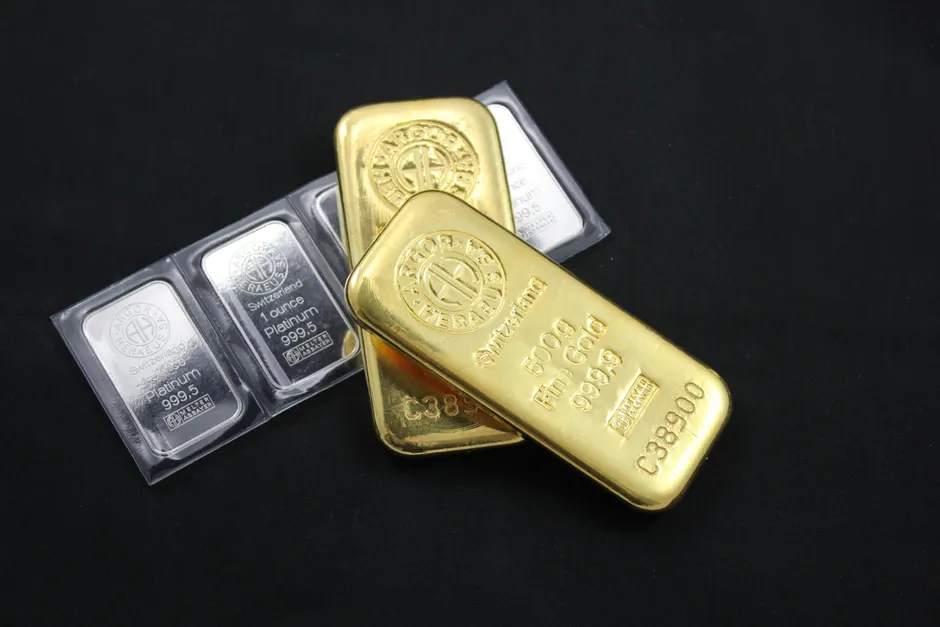
London Has a New Way to Trade Gold

Intercontinental Exchange has started trading gold futures in London, according to reporting published on Oct. 6, 2026. Financial Times The venue is London. The product is gold futures.
The launch comes with set daily times for LBMA precious-metals auctions. The LBMA Gold Price auctions run at 10:30 and 15:00 London time. The LBMA Silver Price auction runs at 12:00 London time. The LBMA Platinum and Palladium Price auctions run at 09:45 and 14:00 London time. ICE
ICE said futures open interest hit a record 60 million contracts on Jan. 29, 2026. ICE Investor Relations Open interest is the count of deals still open. That number covers all ICE futures markets added together. It is the latest dated measure of how much is held through the exchange group.
The broader context here is that there are two price tools. Auctions give one official price at a set second, used for valuations, payments and checking rules are met. Futures let people hold price exposure over time, with cash collateral called margin, across different end dates. Think of a single photo versus live video. Having both in London makes it easier to move between them, but the gap between them, called the basis, does not disappear.
In my view, traders will watch what happens near those set times. Gold has two points a day. Silver has one midday price. Platinum and palladium have a morning and an afternoon price. How many orders come in, how deep the quotes are and how choppy prices get around those times will set the cost of shifting spot, forward or option positions into the new contracts. Practical details like calendar spreads, EFP mechanics and delivery eligibility will affect how smoothly that shift goes.
Looking at what this means for clearing and balance-sheet use, sharing and netting matter most. A London gold future cleared inside the current ICE clearing system allows margin offsets where allowed, central handling if someone defaults, and standard paperwork. For FCMs and general clearing members, the issue is saving on margin versus putting more risk in one place. For directional users, the issue is depth across end dates and whether settlement holds up in stress.
Turning to liquidity, it will build one expiry at a time. Early trading often comes from market makers holding stock briefly and early relative-value trades. Lasting open interest needs regular use by commercials, systematic funds and physical market middlemen willing to hold across price-setting cycles. How long open interest lasts, not first-week trading, will show if the contract is taking in hedging needs or just handling day trades.
On risk practice, one benchmark point deserves attention. Auction prices and futures settlement prices do different jobs and can split during the day on trading flows, funding and stock levels. Jobs tied exactly to LBMA auction prices still carry fixing risk even with a futures hedge. Writing down the reference price, observation time and backup plans still matters for funds, companies and middlemen matching valuations, results and collateral calls.