AI Companies Make Big Moves: What's Changing in Developer Tools
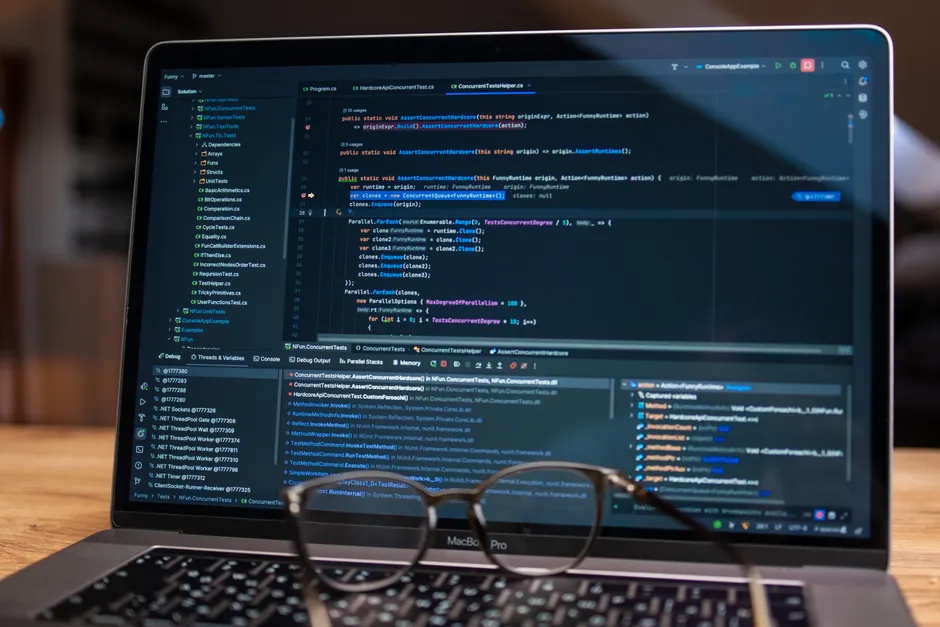
Replit, a platform where programmers write and run code online, just raised $97.4 million and announced it has built its own artificial intelligence model. Until now, Replit used AI from other companies like OpenAI to help write code. Building its own model means Replit has more control — over how fast the AI responds, how often it improves the model, and how much profit it keeps. Think of it like a bakery that once bought flour from a supplier but now mills its own grain.
Replit says its AI model performs better than OpenAI's Codex model on certain coding tests. But winning one test does not mean something is better overall, and Replit has not shown all of its testing work yet. Still, the bigger point stands: a company that owns its own AI model has more independence and power than one that depends on renting from others.
Anthropicis another AI company moving in a new direction. It is putting its AI agents — think of them as AI assistants that can do tasks, not just answer questions — into apps like Slack and Teams. Right now, most AI tools are separate apps you open specifically to use them. Anthropic's approach is different: it puts the AI assistant inside the communication tools people already use every day. That sounds like a small thing, but it matters. When an AI is built into Slack, it can read the whole conversation and remember what was discussed. A separate app would need you to copy and paste that context in by hand.
OpenAI made two announcements. First, it released new AI models that are cheaper to use for a specific task called embedding — think of embedding as a way to turn words and ideas into a kind of digital fingerprint that computers can search through quickly. When embeddings get cheaper, companies can update their fingerprints more often as their information changes, which saves time and money. Second, OpenAI updated a preview version of GPT-4 Turbo. Companies use preview versions to test changes before rolling them out to everyone. OpenAI has been releasing preview updates much faster lately, which means teams have to pay closer attention to what is changing.
Looking at all three moves together, something bigger is happening. Each of these companies is doing more on its own instead of relying on each other. Replit built its own model. Anthropic is putting its tools into the apps people already use. OpenAI is making its foundational technology cheaper and improving its main product. This gives developers and companies more choices, but it also means more work to figure out which tools are best for their needs.
One important thing to know: the news reports about these changes do not have clear dates. That means we are not sure if these three announcements happened within days of each other or weeks apart. If you are making real decisions about which AI tools to use, go directly to each company's website and check the current information before you decide.
History shows us this pattern before. When new technology infrastructure arrives, many companies compete hard at the same time. Eventually, the companies that do well and keep stable costs survive, and others fade. OpenAI's cheaper embedding prices are part of a strategy: offer cheap foundational services so that developers become comfortable with OpenAI, then make more money on bigger, fancier services. Replit building its own model is a defensive move — a way to avoid being locked into relying on OpenAI's prices and choices down the road.


