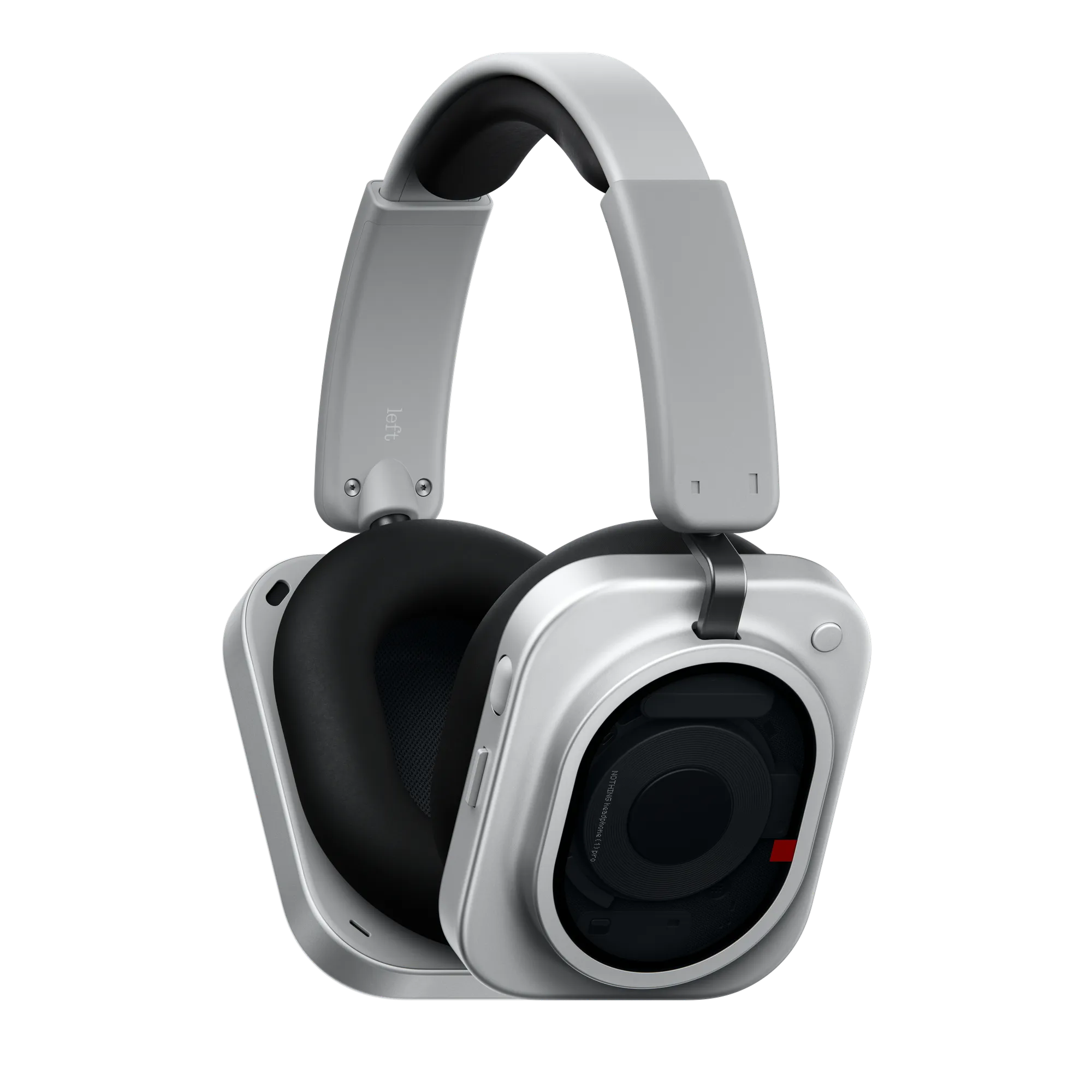
Headphones That Turn Into a Speaker Are Now on Sale

Tomorrow Doesn't Matter's Neo headphones, which roll up to work as a speaker, are now available in the US for $249.
The Neo comes in black or white and includes a carrying case. It is sold through the company's own online store, Amazon and Walmart, according to details published Oct. 6, 2026 The Verge. The US launch follows a first showing at CES 2026 and a successful Kickstarter funding campaign in February.
That Kickstarter campaign was called "TDM. Neo | Headphones That Transform into a Speaker" Kickstarter. An earlier January report had described TDM's plan to start the funding campaign that month The Verge, so the February campaign was the follow-through on that plan.
The basic idea is physical. The Neo works like normal over-ear headphones. With a single twist, it rolls up and works as a Bluetooth speaker TDM.
For sound, it has separate parts for each job. Inside each ear cup are a pair of 40mm drivers, the small parts that make sound. There is another pair of 40mm drivers on the outside. When rolled up, those outside parts work as a pair of 5-watt speakers.
Battery life is very different by mode. TDM claims over 200 hours in headphone mode and about 16 hours in speaker mode. That gap makes sense, since feeding sound to your ears takes far less power than filling a room, like whispering compared with addressing a crowd. TDM has not shared test details in the verified materials.
The Neo has a battery you can remove and replace, plus memory foam ear cushions you can replace. That matters because most wireless headphones seal the battery inside, so when capacity fades the whole product stops being useful.
The design is covered by pending U.S. patent application No. 19/459,163 and Australian provisional patent application No. 2025904345 TDM.
The broader context here is tradeoffs. A part made for quiet listening close to the ear is not naturally good at playing sound out into a room, and the reverse is also true. TDM's fix is to include separate outside drivers instead of reusing the same ones. That adds weight and complexity, but each part only has to do one job.
Looking at daily use, the question is less about novelty than hassle. A two-in-one device only earns space in a bag if both modes are good enough to replace the separate headphone or speaker a person already carries. The 200-hour claim, if independent tests confirm it, would take charging worry off the table. The 16-hour speaker claim fits normal use of small portable speakers in short sessions.
In my view, the replaceable battery is the detail to watch. Convertible products are usually judged on the hinge or fold. Long life gets less notice. A battery and cushions you can replace fix the two weak points that end most headphones, aside from the headband and driver. That fits how people really keep audio gear, and it suggests TDM knows a $249 hybrid must still make sense after two years of daily use.