Anthropic's $900 Billion Bid: What It Means for AI's Future

Anthropic's $900 Billion Bid: What It Means for AI's Future
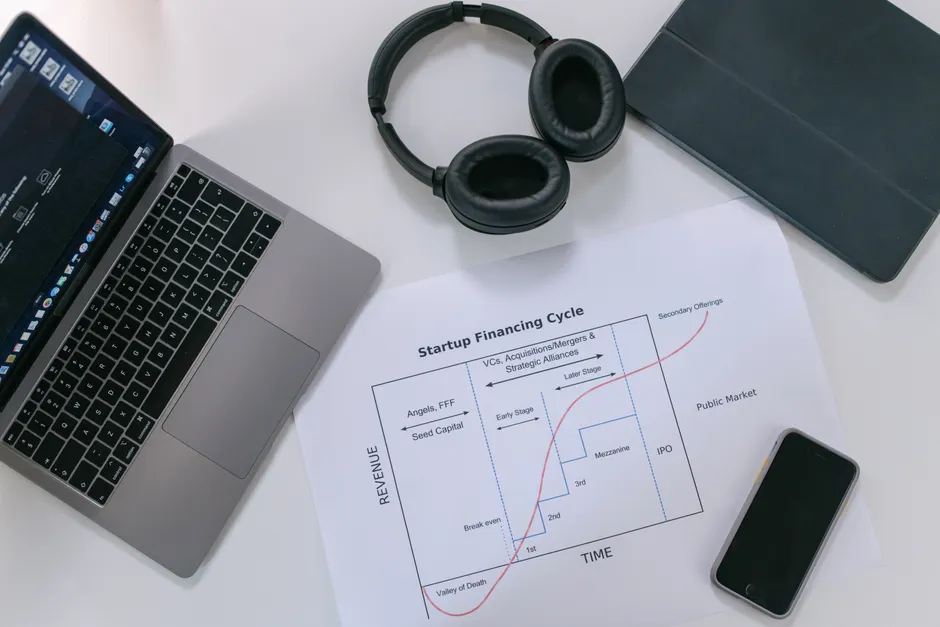
Anthropic, the company behind Claude, is raising about $50 billion from investors according to CNBC at a $900 billion valuation. That would make it more valuable than OpenAI, its main rival in the race to build powerful AI systems. The company is asking investors to commit quickly—within 48 hours—with the deal expected to close in two weeks.
For context: OpenAI was valued at $852 billion in March, so Anthropic is now aiming to leapfrog ahead for the first time since it was founded.
Why Does This Valuation Matter?
Anthropic was started five years ago by former OpenAI employees, including CEO Dario Amodei, who left over disagreements about how AI should be developed safely and sold. Today, the company brings in $30 billion a year in revenue—mostly from a product called Claude Code, which helps software developers write and fix code faster.
That kind of revenue growth is remarkable for a company so young. It shows investors that Anthropic has moved beyond building AI as a pure research project. The company is now selling tools that businesses actually want to buy and use every day.
The Bigger Picture: AI Becomes a Business
A few years ago, AI companies competed mainly on who had the smartest technology. Today, the different major AI systems are roughly equally capable. So companies like Anthropic are competing on something else: building products that solve real problems for enterprises—banks, software firms, healthcare systems—and charging them meaningful money.
This mirrors what happened with cloud computing. In the early days, companies competed on raw computing power. Once that became a commodity, winners were the ones who built specialized services that worked seamlessly with what customers already had in place.
What Happens Next?
The speed of this funding round and the valuation tell us investors still believe in AI's long-term prospects and Anthropic's ability to grow. A two-week timeline signals real momentum and confidence. The $50 billion will likely go toward two things: buying more computing hardware—the GPUs and specialized chips that train and run AI models—and hiring top talent.
The narrow gap between Anthropic's and OpenAI's valuations is worth noting. It suggests investors now see the two companies as roughly equivalent in their chances of success, rather than OpenAI having a commanding lead. That's significant, because valuations often shape which company customers choose and which engineers want to work for.
However, valuations don't automatically translate to lasting success. The AI field moves quickly. A company's advantage today can become standard next year. Anthropic will need to keep innovating and growing its customer base to justify these numbers.
The Wider Takeaway
What's happening here is the maturation of AI as an industry. The days when AI companies were pure research labs are fading. Now they need to show they can turn advanced technology into products people will pay for, and do that sustainably.
For customers and the broader economy, that's probably a good thing. It means the companies building AI have to think about real-world usefulness, safety, and integration with how businesses actually work. That's a different kind of pressure than chasing papers and benchmarks.
The outcome of Anthropic's funding round will tell us a lot about how much faith investors still have in the AI sector—and whether the valuations companies are reaching actually make sense.