What Happened When the U.S. and Iran Clashed at the Strait of Hormuz

The United States attacked Iranian targets on June 27, 2026, after a commercial ship was hit in the Strait of Hormuz. By the end of the day, both countries agreed to stop fighting and talk instead. Reuters reported both the attacks and the ceasefire agreement.
Just four days before, Oman (a country in the region) and Iran had started talks about how the Strait of Hormuz should be managed in the future. Reuters reported those talks on June 23. Iran's government also said the strait is still open and ships are still passing through. Iran MFA
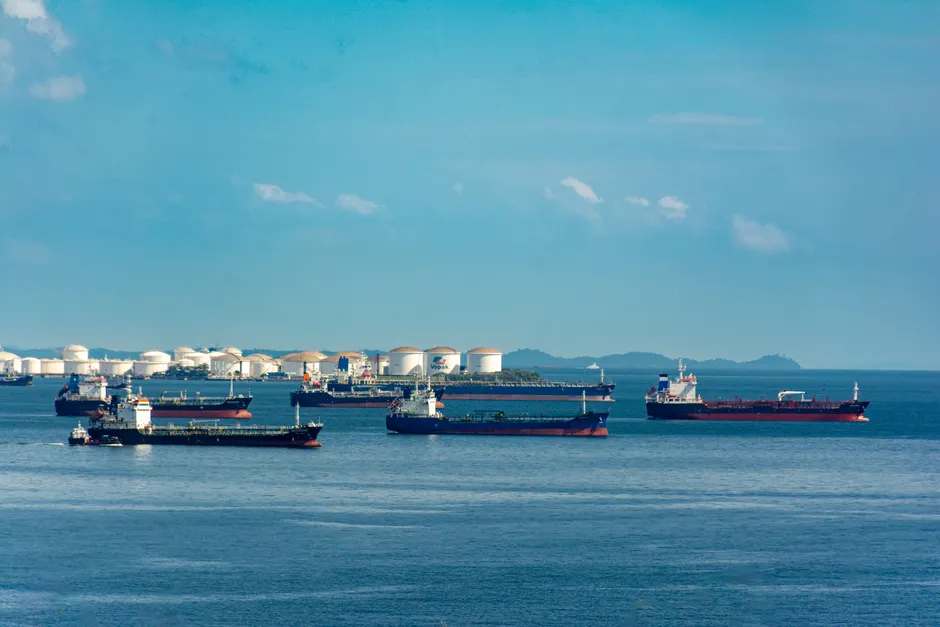
Why does this matter? The Strait of Hormuz is a narrow waterway between Iran and Oman. One-fifth of the world's oil passes through it every day. Most of that oil comes from Saudi Arabia, Iraq, Kuwait, and the UAE. If the strait were blocked, there is no quick way to get that oil anywhere else. The entire world's energy supply would be in trouble. That is why Iran treats control of this waterway like a bargaining chip, and why any fight there gets immediate attention from oil traders and military planners.
What Actually Happened
This is how it went: A ship was hit. Nobody was sure who did it. Both sides blamed each other. Then came military strikes before anyone could talk things through. CNN reported on the tanker incident as part of the broader military exchange.
What is noteworthy is that the U.S. and Iran agreed to stop fighting on the same day the strikes happened. This tells us both countries have a working telephone line — a direct way to communicate with each other — even when missiles are flying. Oman likely helped make that call happen. For decades, Oman has been the trusted go-between for the U.S. and Iran. When the two countries signed the nuclear deal in 2015, Oman was the middleman. So when Oman started talks about Hormuz governance just days before the June 27 crisis, it was already in position to help broker the ceasefire.
The Bigger Picture: Who Runs This Strait?
The talks between Oman and Iran are about more than just stopping today's fight. They are about a deeper question: Who gets to decide what ships can pass through the strait and how?
Iran says countries that border the water should be in charge. The U.S. and most of the world say that international law allows all ships — even military ships — to pass through freely with no one in their way. These two positions are completely opposite. Any deal that Oman helps create has to find a middle ground, or at least a way both sides can live with the disagreement.
The ceasefire is good news for now. But the real problems have not gone away. Iran's nuclear situation, the U.S. military presence in the region, and the question of who controls the strait — none of that has changed. The talks with Oman are the only place where these bigger questions are being worked on, not just the day-to-day crises. Whether those talks survive what happened on June 27 will decide whether this week's pause becomes something permanent or just a break before the next fight.