The Iran-U.S. Deal Is Already Under Strain. Here's Why.
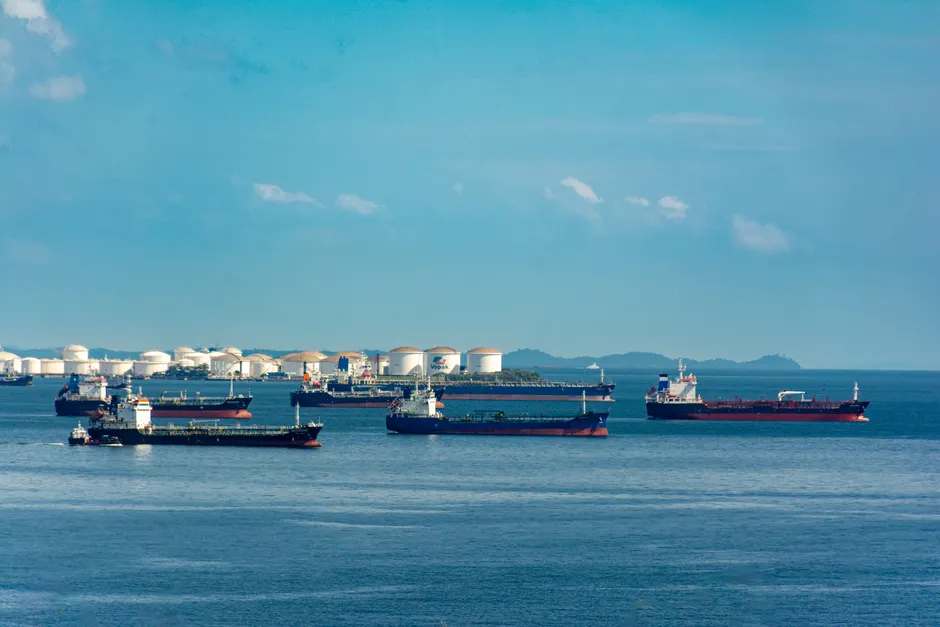
In early July, three oil tankers were hit by projectiles in the Strait of Hormuz, a crucial waterway between Iran and the Persian Gulf. The U.S. responded by revoking a license that had allowed Iran to sell oil abroad. Iran then said it would not negotiate further unless President Trump stopped what Tehran calls continued pressure. This dispute strikes at the heart of an agreement the two countries signed just weeks earlier.
That agreement, signed June 18, was not a peace treaty. Think of it as a temporary pause in hostilities—a 60-day timeout with plans to work out a permanent deal by early September. The deal lifted a U.S. naval blockade on Iranian ports and reopened the Strait of Hormuz to shipping. This waterway matters globally because roughly one-fifth of the world's oil passes through it.
Trump announced the agreement on June 14 and declared it a complete victory. He posted on Truth Social that "the Deal with the Islamic Republic of Iran is now complete" and said it "will bring Peace and Security to the whole Region." He also claimed credit over past presidents, writing: "Many presidents have tried to make Peace with Iran, and all have failed before me." The White House went further, saying the agreement ensures Iran will never obtain a nuclear weapon—a claim that overstates what a temporary interim agreement typically commits parties to.
The path since signing has been rocky. Trump discussed the deal at a G7 summit in France on June 17. Vice President JD Vance publicly criticized Israeli officials who had attacked Trump over the terms—a rare moment when the administration rebuked Israel instead of Iran. Yet within days, at a NATO summit, Trump himself declared the interim deal "over," even as American and Iranian negotiators were still talking behind closed doors and threats over blocking the Strait of Hormuz escalated.
Financial markets have followed this diplomacy closely. Oil prices dropped to a three-month low after the June 14 announcement, as traders bet the deal would hold and shipping would resume. When a cargo ship was attacked near Oman on June 26, oil prices actually fell further—an unusual response that reflected optimism the strait would soon reopen normally. But as tensions returned, oil prices rose again in early July after reports of Iranian attacks on commercial ships.
The real leverage behind these talks sits deeper than the agreement itself. In February 2026, Trump issued an executive order that allows him to impose 25% tariffs on any country that does business with Iran. This tool remains in place whether the deal survives or not. Washington can pressure countries simply by threatening to tax their exports to America—a form of economic coercion that doesn't require Iran's cooperation to work.
The Wall Street Journal reported on June 30 that Trump had been briefed on military options for an all-out war against Iran but chose to continue diplomatic talks instead. That decision came about a week before the tanker strikes. It shows the administration still prefers negotiation to escalation, even as Trump's own public statements have swung between declaring the deal done and declaring it dead.
Technical negotiations in Doha wrapped up around July 1, focused specifically on keeping the strait safe for shipping. The fact that these talks finished before the July tanker strikes suggests a disconnect: diplomats were planning for a secure strait while the actual waters were becoming more dangerous.
What happens next remains uncertain. Iran's current position—that Trump must stop all pressure before talks resume—combined with the U.S. license revocation, leaves the 60-day window looking less like a deadline for a final peace deal and more like a test of whether an interim arrangement can hold when real crises hit. The next few weeks will show whether either side views the agreement as worth saving.