Pakistan and Afghanistan Are Trading Airstrikes. Here's Why.
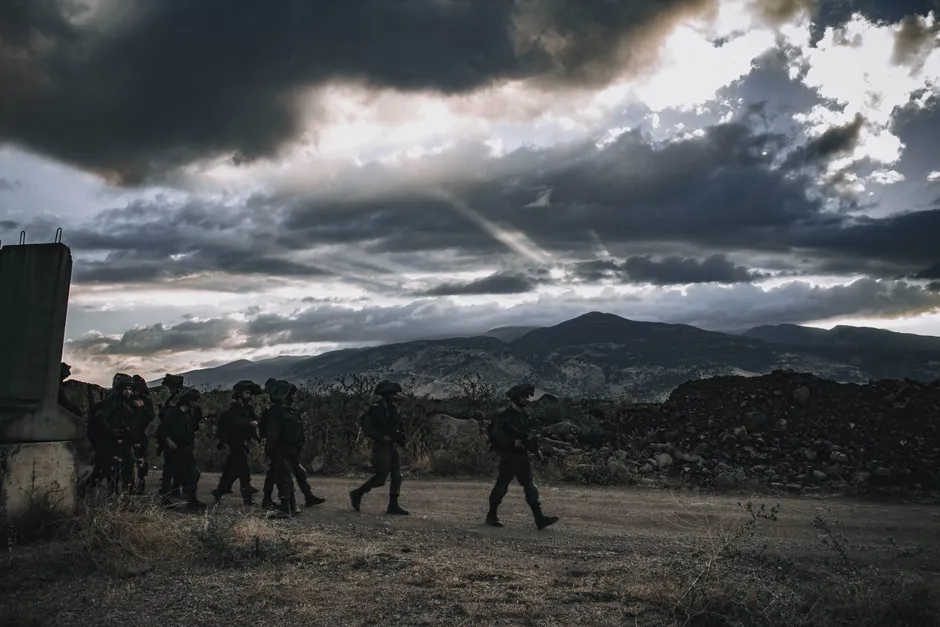
Pakistan claimed on June 28–29, 2026 that ground operations and strikes along the Afghan border killed 29 militants. This is the latest move in an escalating military confrontation between Islamabad and Kabul, with both countries now launching airstrikes at each other — something that has happened twice in just three weeks.
The violence has been building steadily since early 2026. In February, Pakistani airstrikes in eastern Afghanistan killed at least 70 militants. Pakistan said these were fighters tied to attacks on Pakistani soil, according to the Associated Press. In March, Pakistani and Afghan forces traded fire at dozens of border points on a single day. This level of coordination suggested organized military action, not random clashes, Reuters reported. The UN noted that this March fighting alone forced 100,000 people to flee their homes.
The Latest Round of Strikes
On June 10, Pakistani warplanes hit three Afghan provinces. The Afghan Taliban said at least 13 people died, including 11 children, Reuters reported. Pakistan said the strikes targeted buildings used to plan terrorist attacks. Nine days later, on June 19, Afghan forces struck back, hitting what the Taliban described as militant hideouts in two Pakistani provinces, Reuters reported. This was significant: it marked the first confirmed Afghan airstrike inside Pakistan during this cycle — and showed that a Taliban-governed Afghanistan was now conducting air operations inside a nuclear-armed neighbor.
Pakistan's government has been building a diplomatic record as well. In May 2026, it summoned the Afghan diplomat in Islamabad to deliver a formal complaint over a terrorist attack on a police station in Bannu, a district in Pakistan with a long history of militant violence. Pakistani officials also warned that further attacks by the Taliban or affiliated groups would prompt a response — the vague language left open what form that response might take.
What the Real Problem Is
The core issue is straightforward: Pakistan blames the Afghan Taliban for allowing the TTP — the Tehrik-i-Taliban Pakistan — to operate from Afghan soil. The TTP is a separate organization from the Afghan Taliban, but they share similar ideology. Since the Afghan Taliban took control of Afghanistan in August 2021, the TTP has launched hundreds of attacks inside Pakistan. The TTP wants to overthrow Pakistan's government and impose its own version of Islamic law. It exploits the disputed border between the two countries and uses the Afghan Taliban's unwillingness or inability to stop it.
Pakistan has repeatedly asked Afghanistan to arrest or suppress TTP leaders. Afghanistan has refused, publicly denying it harbors them while offering to help mediate the dispute.
What changed in 2026 is how Pakistan is responding. Instead of just diplomatic pressure and occasional border shelling, Pakistan is now conducting sustained air and ground operations targeting what it says is TTP infrastructure inside Afghanistan. The Afghan Taliban, rather than accepting these strikes, is now striking back — framing its own airstrikes as counterterrorism operations against militants. Both countries are using the same justification for the same kind of attack.
The death toll from the June 10 strikes complicates things for Pakistan. Eleven children were among the 13 killed, according to Taliban sources. Pakistan has not publicly disputed these numbers, but it claims the strikes were precise and targeted. Those two things sit uneasily together. This mismatch gives other countries — including Britain, which Pakistan has already criticized for commenting on the situation — an opening to push for answers and accountability.
The Deeper Problem
The question worth considering is whether either side actually has a plan to end this. Pakistan's military strategy is based on raising the cost of sheltering the TTP until the Taliban decides it is cheaper to suppress them. This approach has not worked after more than five years of pressure. The Taliban cannot publicly give in to Pakistan's demands without looking like it has surrendered Afghan sovereignty to a neighbor — a serious political problem for a government whose legitimacy depends partly on nationalism. Meanwhile, 100,000 people were displaced by the March fighting alone. The human cost is climbing faster than either government seems willing to acknowledge.