Major Data Theft at Apple and Tesla Supplier Shows Why Hackers Target the Supply Chain
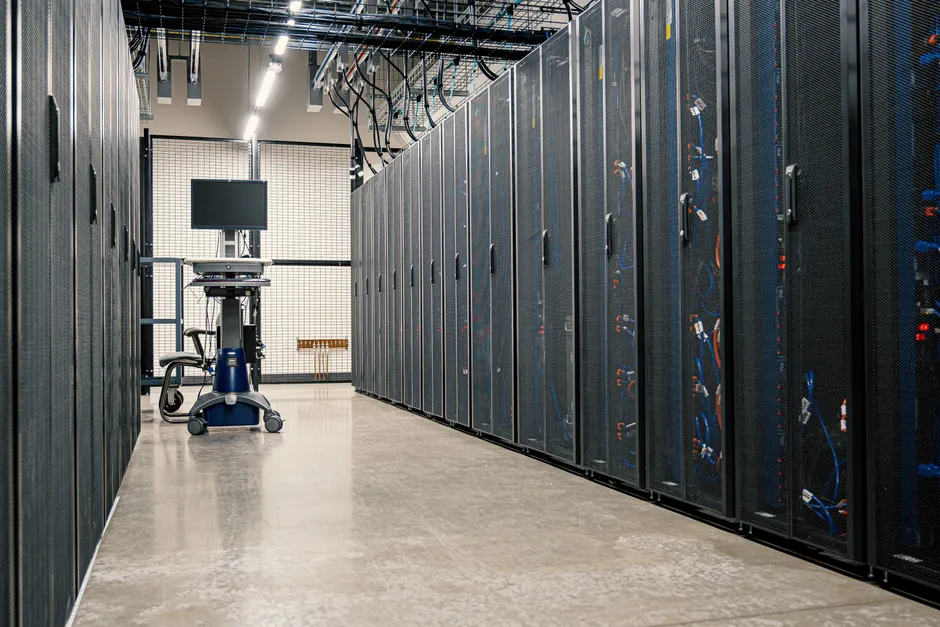
Tata Electronics, an important supplier for both Apple and Tesla, was hacked. According to Reuters, confidential files belonging to both companies were stolen and posted online in June 2026.
The company lost more than 200,000 files — a total of over 630 gigabytes of data. To understand the scale: that is roughly equivalent to 250,000 high-definition movies. What matters more than the sheer volume is what was taken. The stolen files likely included technical designs, manufacturing processes, and business information that both Apple and Tesla consider extremely valuable and secret.
Tata responded by limiting who could access sensitive systems while it investigates. This is a standard safety measure after a hack, but it raises questions about whether the company had strong enough security protections in the first place.
Why Hackers Are Targeting Suppliers
Tata Electronics makes components for iPhones and is expanding its role in Apple's manufacturing operations in India. This makes Tata an important partner — and for hackers, an attractive target.
Here is the key problem: large companies like Apple spend enormous amounts of money on cybersecurity and employ teams of experts to defend themselves. But those companies depend on dozens of smaller suppliers and partners. Many of those suppliers do not have the same level of security protection. Hackers have figured this out. Instead of trying to break into Apple's heavily defended systems, they attack Apple's suppliers — the weaker link in the chain.
This has happened before. In 2020, hackers infiltrated SolarWinds, a company whose software was used by thousands of other businesses, and stole information that way. In 2021, ransomware spread from a managed service provider to all of its customers. Tata's breach follows the same pattern.
When a company loses technical blueprints, manufacturing details, or process information to hackers, the damage can last for years. Unlike a stolen password, which a company can change, a leaked blueprint cannot be un-leaked. Competitors gain access to valuable secrets that took enormous effort and money to develop.
What Happens Now
Apple has experienced supplier leaks before — hardware designs and component specifications have surfaced through various partners over the years. The company typically responds with lawsuits, more rigorous inspections of suppliers, and limiting how much sensitive information any one supplier can access.
Tesla's exact losses from this breach are not yet clear from public reporting.
Both Apple and Tesla have strict rules about what their suppliers must do to protect data and systems. A breach this large will almost certainly trigger formal reviews and audits. The outcome could mean that major manufacturers impose stricter, more costly security requirements on all their suppliers.
Investigators are still working to understand exactly how the hackers got in, who they are, and what specific information was taken. More details are likely to emerge in the coming weeks.

