Shooting at German Youth Welfare Office Raises Questions About Safety
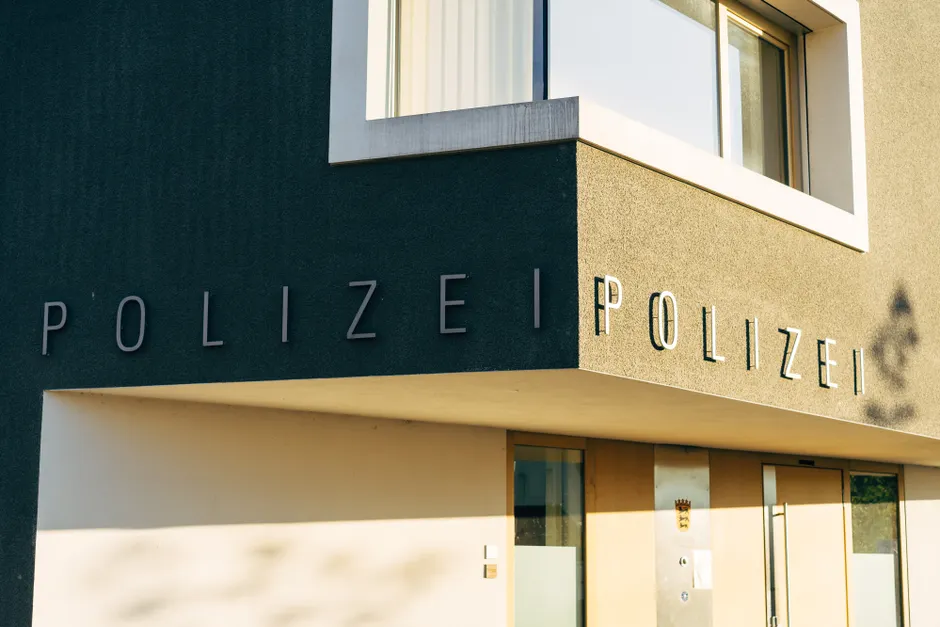
A man opened fire at a youth welfare office in Stade, a city in northern Germany, on Monday, wounding several people. Police called it a "family tragedy," according to ABC News Australia.
At the time of the attack, the man was involved in a custody dispute over his three-month-old daughter, according to Al Jazeera. The facility where the shooting happened — called a Jugendamt in German — is the kind of government office that decides custody cases and helps protect children. It can take children away from parents if necessary. The shooting took place there, not at the man's home or the other parent's home, which suggests he may have been confronting the office itself rather than a specific person.
AP News confirmed that multiple people were wounded. As of the time of reporting, full details about how many people were hurt and their conditions had not been released.
Stade is a mid-sized city in Lower Saxony, about 25 miles west of Hamburg. It is not known for gun violence. Germany has some of Europe's strictest gun laws. To own a gun there, people must pass a psychological evaluation, take a knowledge test, and show a real reason for needing a gun — so shootings like this are rare, though they do happen in cases involving family and custody disputes.
When German police call an attack a "family tragedy," it has specific meaning. It tells investigators and prosecutors that the violence was not tied to ideology or terrorism, and that the public at large was not in danger. This label shapes how the case will be investigated and prosecuted. It also fits a larger pattern that German authorities have recognized: sometimes custody proceedings, or when parents feel they are losing control, or when the government steps in, people respond with lethal violence.
In small numbers across Europe, youth welfare offices have been attacked by people who felt the government acted unfairly in their family cases. In Germany, these offices have real power — they can intervene in family matters, remove children from parents, and decide custody cases. For a parent in a difficult dispute, the office can feel less like a helper and more like an enemy. That does not justify violence, but it explains why such places are occasionally targeted.
German security officials now face a real question: Should welfare offices have better protection? Unlike courts or police stations, welfare offices are designed to be open and easy for the public to reach. That openness is intentional — these offices should feel welcoming and accessible. Protecting them against rare attacks by people in crisis means finding a balance between keeping them open and keeping them safe. Different states in Germany have not yet figured out one uniform answer.