Heavy Rains Flood Ghana's Capital, Killing at Least 12
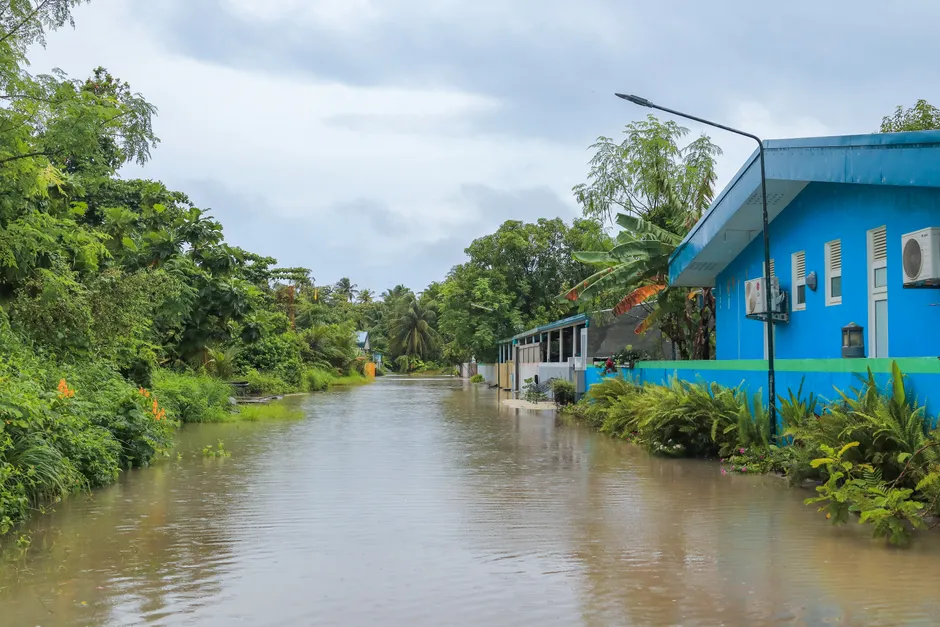
At least 12 people have died after heavy rainfall flooded large parts of Accra, Ghana's capital. Homes, roads, and vehicles were submerged, with the Alajo neighbourhood hit hardest, according to Reuters. The city's drainage system — the pipes and channels meant to move water away from populated areas — simply could not handle the volume of rain.
On 29 June, firefighters and rescue teams from Ghana's disaster management agency rushed to help. They found residents trapped in flooded areas across multiple neighbourhoods. Officials even warned people to avoid traveling in the capital as the emergency unfolded, AP News and Reuters reported.
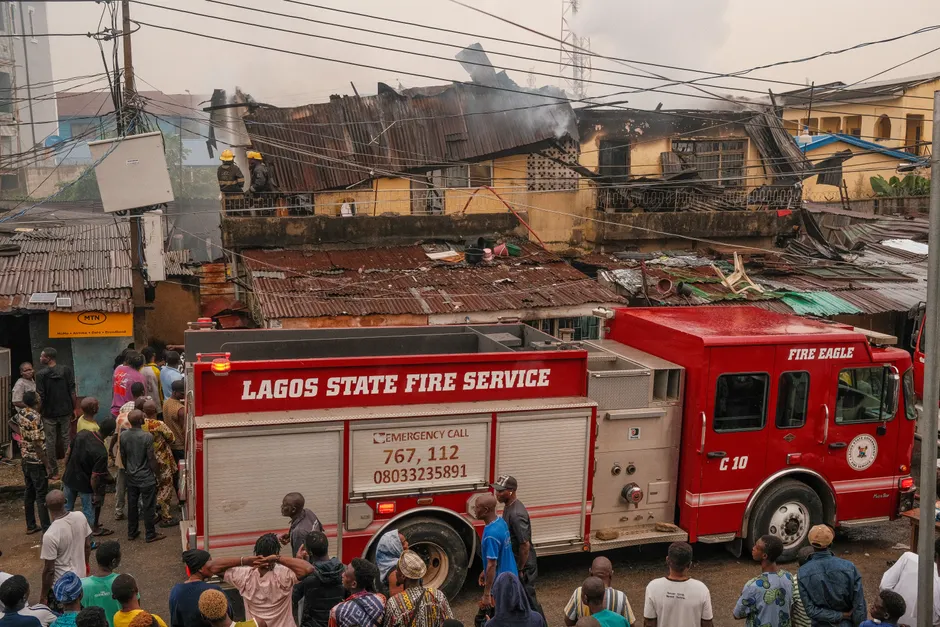
The situation worsened when a rubber factory caught fire during the flooding. The standing water made it nearly impossible for firefighters to reach the building, Al Jazeera reported. Rescue teams now had to handle two major emergencies at once, and resources ran thin.
Why does Accra flood so easily? The answer lies in how the city has grown over recent decades. Accra has expanded rapidly, with many informal settlements — neighborhoods built without formal planning — spreading across the landscape. All these buildings, roads, and concrete surfaces have replaced the soil and plants that naturally absorb rainfall. The drainage systems, built decades ago, were designed for a much smaller city. They cannot cope with today's population and today's rainfall.
The Odaw River, which drains much of central Accra, frequently overflows in the rainy season. Low-lying areas like Alajo sit directly in its path. Over the past ten years, flooding has become more severe each year — a pattern that experts in climate adaptation and local officials have watched with growing concern.
The broader issue here is that Accra's flooding crisis keeps repeating itself. Year after year, the same neighbourhoods flood, people die, and then the emergency passes. Ghana's disaster management agency has been criticized for waiting to respond after floods happen, rather than preparing to prevent them before the rains arrive. This latest flood, combined with the factory fire, will probably force city planners and the national government to make harder decisions about where factories are allowed to operate, how buildings should be sited in flood zones, and whether the drainage system finally needs a complete overhaul. Without change, these disasters will continue.