A Mountain of Rubbish Buried Homes in Guinea's Capital — Again
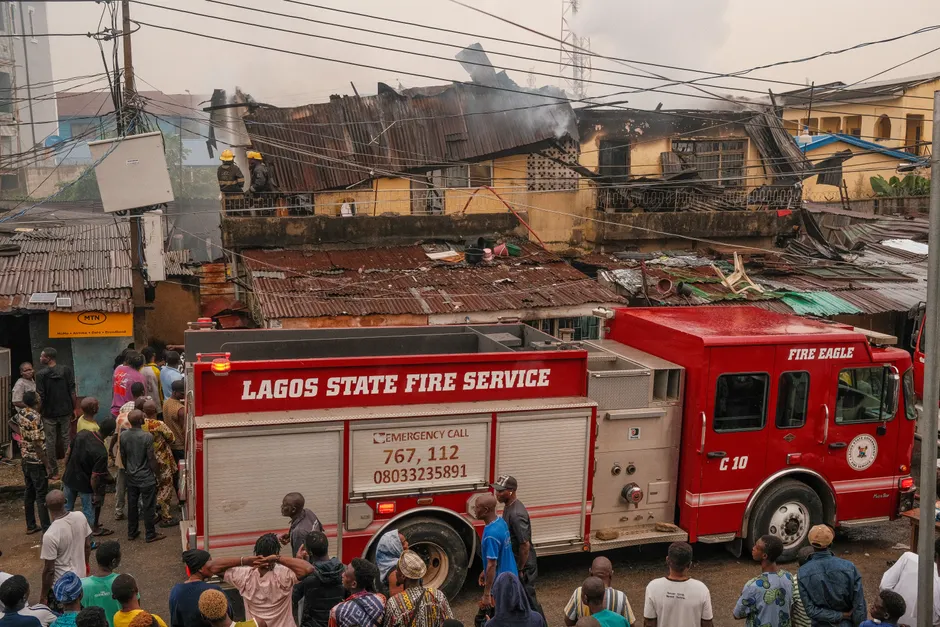
At least 30 people died when a giant pile of rubbish collapsed onto houses in Conakry, the capital of Guinea, in the early hours of August 23, 2026. The collapse happened around 2:00 a.m. after heavy rain overnight, sending a huge mound of waste from the city's largest dump sliding down onto nearby homes. BBC News
Neighbourhood leader Lancine Sylla told the AFP news agency that 18 bodies had been pulled from the wreckage and taken to the morgue. The difference between that number and the government's toll of at least 30 likely reflects how hard it is to reach areas still buried under packed rubbish. BBC News
Guinea's Prime Minister, Mamadou Oury Bah, visited the scene to see the damage and oversee the search. The government said large numbers of rescue workers, including the military, had been sent to look for survivors. BBC News
The deaths are concentrated in the homes right next to the dump. A woman told local media that her five children had died in the disaster. BBC News
This is not the first time this same dump has collapsed. A landslide at the site killed 10 people in 2017, according to the most recent reporting. A report from Al Jazeera at the time, published in August 2017, said a rubbish dump on the edge of Conakry collapsed after heavy rain, killing at least eight and injuring dozens more. The difference between eight and ten likely reflects updated counts as more bodies were found. Either way, the site's history is clear: heavy rain has caused this dump to collapse before, under almost the same conditions, killing people who lived nearby. BBC News; Al Jazeera
Officials expected the death toll to rise as the waste was cleared. That is normal in landslide rescues, where the full count of casualties often only becomes clear once heavy machinery can safely reach buried areas. Waste360
The broader context here is one of a city struggling to manage its own waste. Conakry is a fast-growing coastal capital with very limited formal waste systems. Its largest dump takes in rubbish from across the whole metropolitan area, where it piles up in huge, loosely packed heaps. Think of it like a sandcastle on a wet beach: when the ground gets soaked with rainwater, it loses the strength to hold itself together. When a pile like that gives way, the waste can flow downhill like wet concrete, moving with enough force to bury homes at the bottom of the dump.
The fact that this has happened before raises serious questions about whether the government is keeping homes far enough away from dangerous waste sites. The same dump collapsed in 2017 with the same cause, the same trigger, and the same deadly result. That suggests whatever fixes were attempted in the nine years since were either too weak or never happened at all. People's homes remained in the path of a known danger.
For Guinea's government, the political stakes are real. The Prime Minister showing up at the site shows he recognises the severity of the disaster, but the public will judge emergency response against nine years of failure to prevent it. Sending soldiers to search for survivors is the visible part. The harder question is whether the government can or will move people away from the edge of an unstable dump, or rebuild the dump so it can survive the rainy season.
That question is urgent. Guinea's rainy season is still going. More collapses of the remaining waste pile, or other parts of the dump, remain a real danger for residents who have not yet been moved.