EU Lawmakers Blocked From Inspecting Italy's Migrant Detention Center in Albania
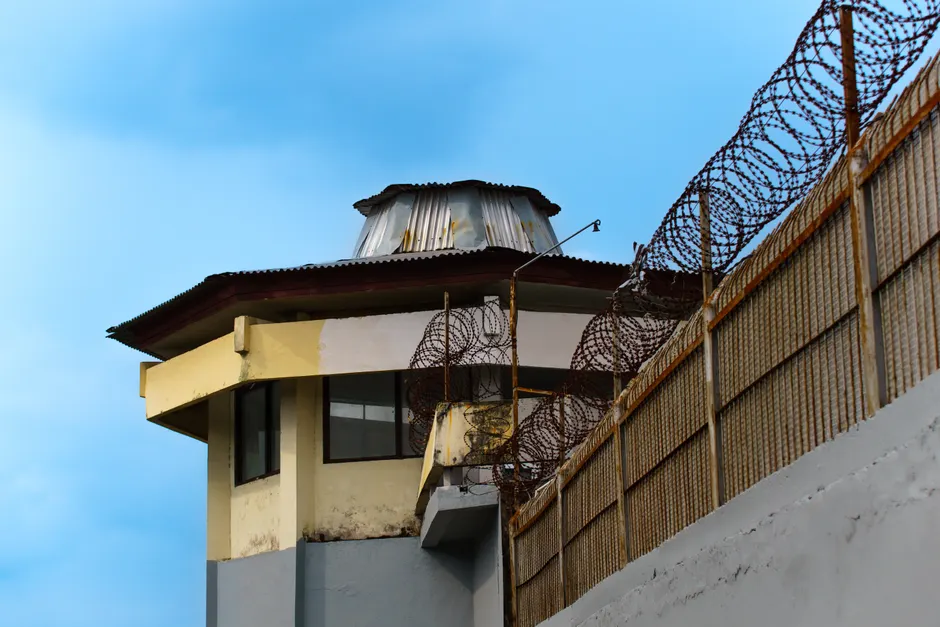
EU Lawmakers Blocked From Inspecting Italy's Migrant Detention Center in Albania
On June 29, 2024, members of the European Parliament's Green party tried to visit a migrant detention facility in Albania called Gjadër. Staff at the center prevented them from entering the cells and refused to provide basic information about how many people were held there, how full it was, or what conditions were like. This kind of obstruction is unusual and raises serious questions.
Why Italy Built This Facility Overseas
To understand what happened, you need to know Italy's plan. The Italian government partnered with Albania to build detention centers where migrants picked up in Mediterranean waters could be processed before they reach Italian soil. The goal, from Italy's perspective, was to handle asylum cases away from normal European Union procedures.
Italy signed this agreement because intercepting migrants at sea and then bringing them to mainland Italy takes time and resources. By processing people in Albania instead, Italy hoped to manage migration differently. But human rights groups, including Amnesty International, criticized the centers when they opened, calling them "a stain on the Italian government."
The Legal Battles That Led Here
This setup created a thorny legal problem. Under EU asylum law, countries can only detain migrants in certain circumstances and must follow strict rules about conditions. But by putting the facility in Albania while keeping Italian control over it, Italy tried to operate in a gray zone — outside normal EU oversight yet still under Italian authority.
Italian courts noticed this issue early on. They blocked the transfer of migrants to Gjadër, saying Italy's list of "safe countries" (nations where asylum seekers supposedly don't need protection) didn't meet EU legal standards. The Italian government then changed its laws to reassert that list anyway. This triggered a conflict between Italy's courts and its government, and the dispute reached the EU's highest court. That legal tension was already simmering when the parliamentary delegation arrived at Gjadër.
What the Inspection Blockade Means
Parliamentary oversight visits are not optional niceties. The European Parliament, through its committee on justice and civil rights, has the authority to inspect detention facilities linked to EU member states — even those outside EU territory. When facility staff block access to cells and withhold operational data, they prevent independent verification of conditions.
The refusal the Greens/EFA delegation faced was not a minor paperwork delay. Without access to the facility and its records, there is no way for lawmakers to assess whether people are being held in safe, humane conditions. This matters because one of the main arguments in favor of offshore detention centers is that conditions can be monitored and guaranteed to be acceptable. If monitors cannot inspect, that argument cannot be tested.
It remains unclear whether Albanian facility management, Italian authorities, or both made the decision to deny access.
The Bigger Picture
This incident sits within a much larger debate at the EU level. The European Commission is drafting rules that would allow member states to set up "return hubs" — processing centers located outside EU borders. The Gjadër model is an early version of that idea.
Legal experts and human rights organizations worry about these offshore schemes. When a facility sits between countries — on Albanian territory but run by Italy — it creates an accountability gap. If something goes wrong, it becomes unclear who is responsible and what laws apply. The facility is too distant from standard EU monitoring to feel like EU responsibility, yet too connected to Italy to escape EU standards on human rights.
What happened at Gjadër shows this gap in action. A European Parliament delegation, with legitimate authority to inspect, was shut out. Whether that order came from Tirana, Rome, or a combination of the two, the result was the same: no independent oversight occurred.
Why This Matters Going Forward
The core problem for any government thinking of expanding this model is simple. When you promise that offshore detention will be humane and monitored, your credibility depends on letting monitors actually monitor. Once access is denied, that promise becomes impossible to verify. That undermines the entire legitimacy argument for processing migrants outside the EU's standard framework — and it leaves open the question of what conditions are actually like behind closed doors.


