Three Egg Companies Caught Inflating Prices—and What It Means for You
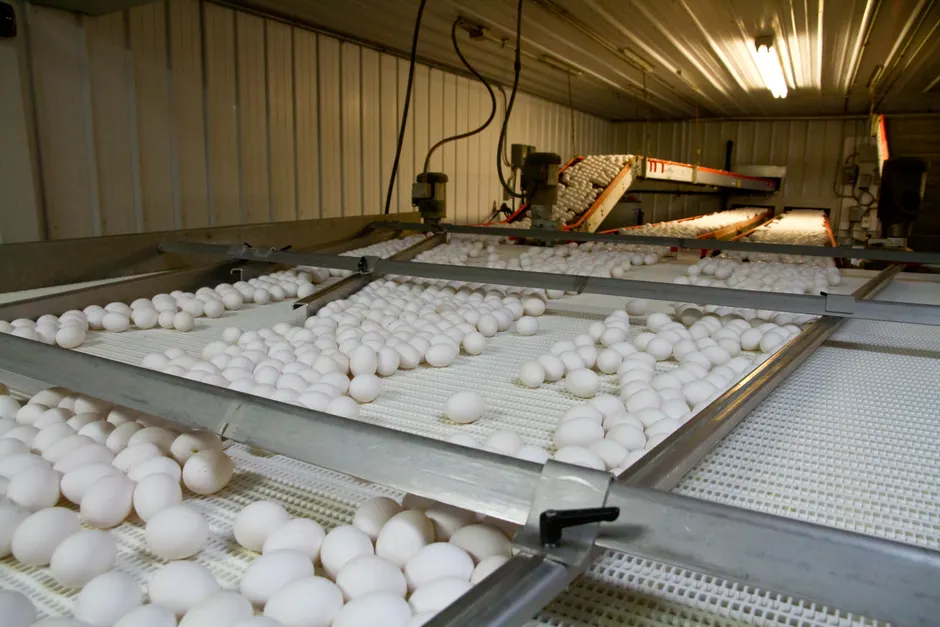
The Justice Department and 17 states sued three major egg producers for allegedly working together to push egg prices higher across the country. The companies — Cal-Maine Foods, Hickman's Egg Ranch, and Centrum Valley — have now agreed to settle. According to the DOJ, they must donate more than 50 million eggs and pay $3.3 million in cash relief.
Here's what the companies were accused of doing: The egg industry uses a shared service that tracks and publishes prices. Wholesale buyers and large purchasers — restaurants, schools, food manufacturers — rely on these reported prices when they negotiate their egg contracts. The DOJ says the three companies didn't just report their real prices. Instead, they coordinated their reports to push the benchmark price higher. Think of it like three stores agreeing to report the same inflated "sale price" to a comparison-shopping website, so shoppers think everything else is more expensive. Once that fake benchmark spreads, every buyer who uses it as a reference ends up paying more.
Cal-Maine is the largest egg producer in America by volume, so this settlement matters to a lot of investors who own the company's stock. Maryland's attorney general led the state coalition, working with 16 other states to bring the case forward. That partnership — federal prosecutors teaming up with state attorneys general — has become the standard way antitrust enforcers tackle pricing cases affecting ordinary consumers.
The $3.3 million payment is relatively small compared to the overall size of the egg market, especially given the huge price swings the industry saw between 2022 and 2025 due to bird flu. The 50 million eggs, however, hit differently. Those eggs go to food banks and state assistance programs — they reach the households that felt the price surge most acutely.
By settling, the companies avoided a trial. They didn't have to admit they did anything wrong, and the public won't see internal company documents and emails about their pricing decisions. For Cal-Maine, a publicly traded company, avoiding that kind of exposure carries real value.
What matters going forward: Federal and state enforcers are increasingly focused on the hidden coordination that happens through shared pricing information. They no longer need to find a smoking gun — a secret meeting or email chain saying "let's collude." Instead, they can prove coordination by showing firms used a common benchmark or data platform in ways that moved prices in lockstep. The egg case signals that commodity pricing infrastructure — the databases and benchmarks that set prices across an industry — is now enforcement territory.


