Dish Wireless and Its Satellite TV Parent File for Bankruptcy Protection
Dish Wireless and Its Satellite TV Parent File for Bankruptcy Protection
Dish DBS and EchoStar Wireless, two units of a larger company, filed for Chapter 11 bankruptcy on June 30, 2026, Reuters reports. This is a court process that lets a company reorganize its debts and structure while continuing to operate.
What makes this filing unusual is that the major creditors — the people and institutions Dish owes money to — have already agreed to a reorganization plan before going to court. Think of it as settling the terms of a divorce before filing the paperwork, rather than hashing it out in front of a judge. This approach typically moves faster and causes less disruption to customers and suppliers.
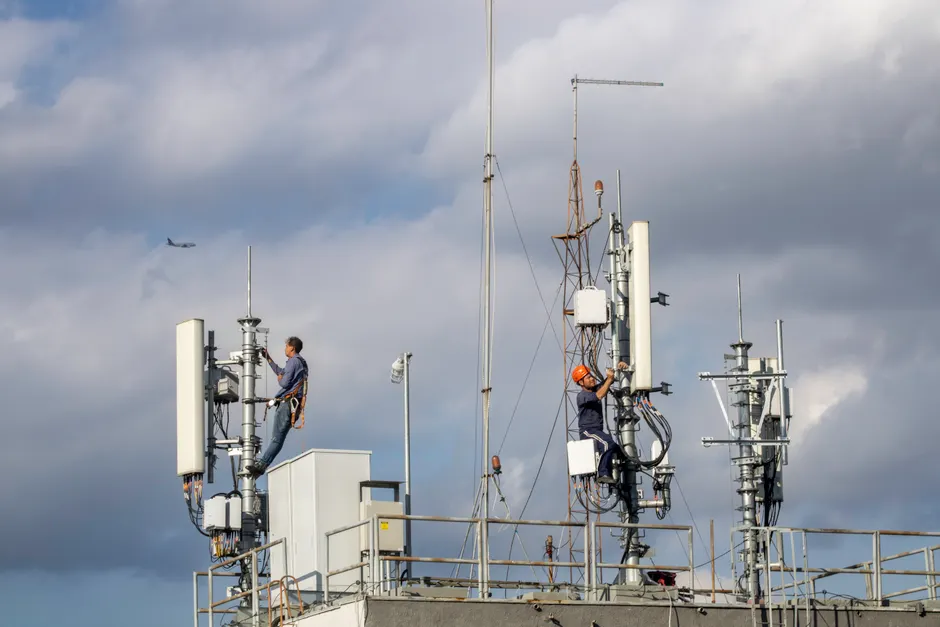
At the heart of the plan is $2.4 billion that the Federal Communications Commission required Dish to set aside for building 5G wireless infrastructure. That money has been a point of tension. Dish bought wireless licenses from the FCC in auctions over many years, and in exchange promised to build out a network in specific places by specific dates. The company struggled to meet those promises at the scale required. Now, the bankruptcy plan calls for that $2.4 billion fund to be deployed as part of the reorganization — though both the bankruptcy court and the FCC will need to approve how it's used, since the FCC has authority over wireless licenses.
Dish has been preparing for a possible bankruptcy filing for some time. In June 2025, the company was already laying groundwork for this step, specifically to protect its wireless spectrum licenses while facing an FCC review, Reuters reported then. The roughly twelve-month gap between that preparation and today's actual filing suggests Dish spent time negotiating the prepackaged plan with creditors and working through the regulatory complexities of wireless licenses, which are not ordinary business assets.
Dish's wireless licenses have been a contentious issue in the industry for years. The company holds licenses across multiple frequency bands and absorbed Boost Mobile and parts of Sprint's wireless business after T-Mobile acquired Sprint in 2020. As a condition of that deal, the government required Dish to build a brand-new 5G network from the ground up. The company chose an ambitious, technology-forward approach — using cloud computing and open-source software in ways that were still experimental among major carriers. But executing that vision proved difficult while managing significant debt and running a legacy satellite television business that has been losing customers to streaming services for over a decade.
The satellite TV side of Dish — the original direct-broadcast satellite television business — is part of this same bankruptcy filing, even though the business situation is different. The pay-TV satellite business has been steadily losing subscribers to Netflix, Amazon, and similar services, and that trend is not reversing. Folding both the satellite business and the wireless operation into one filing made legal and financial sense, even if their underlying problems are distinct.
The regulatory dimension here is what deserves close attention. Wireless spectrum licenses are not like ordinary company assets. The FCC issues them under specific conditions, they cannot be freely bought and sold without approval, and they come with requirements to build networks and serve certain areas. A bankruptcy court can reorganize a company's debts and ownership, but it cannot rewrite FCC rules or unilaterally change license conditions. The plan will need to navigate that carefully — and the FCC's response to the reorganized company or any potential buyer of the licenses will shape what happens next.
The stakes matter for the broader wireless market in the United States. The spectrum Dish holds — the specific frequencies it licensed for 5G — is valuable and limited. AT&T, T-Mobile, Verizon, or a new competitor with enough money could potentially use it. If the bankruptcy goes smoothly and the $2.4 billion gets spent on actual network infrastructure, that is the best outcome. If there is a long legal fight over whether the licenses remain valid or can be transferred, that creates costs and delays — affecting not just Dish's competitors, but also the FCC's ability to run future auctions fairly, and the rural and underserved areas that Dish originally committed to serve.
The fact that major creditors have already agreed to the plan suggests they are aligned on how to move forward. What the FCC decides will determine whether that alignment is enough to make the 5G infrastructure plan real.


