The Day Oil Prices Went Negative: What Happened and Why It Matters
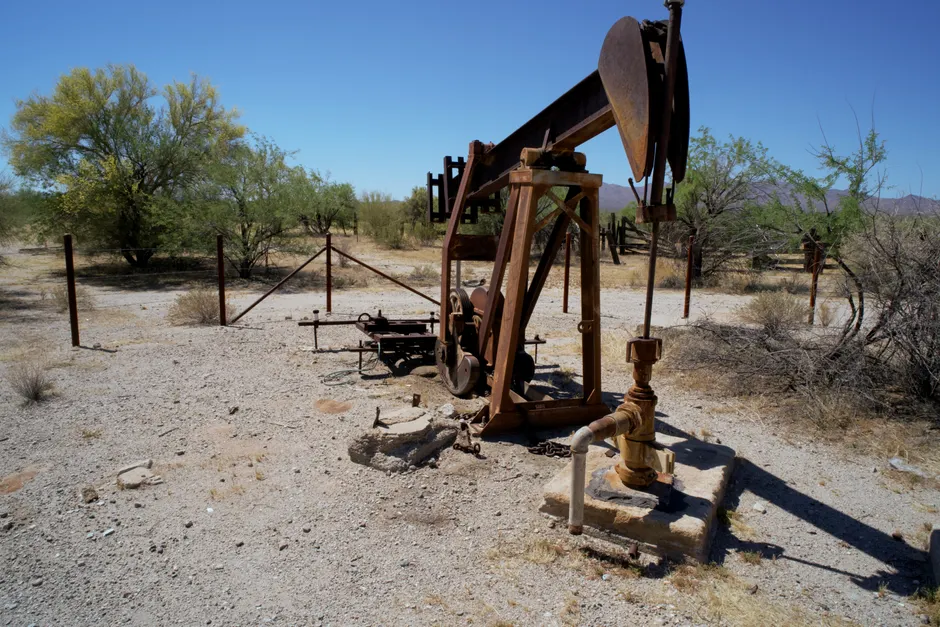
On April 20, 2020, something that had never happened before in modern markets occurred: oil futures contracts actually went negative. Sellers were not just willing to sell at zero dollars. They were paying buyers to take the oil. The price hit minus $37.63 per barrel.
The U.S. Commodity Futures Trading Commission, the federal regulator of futures markets, released a detailed report examining what went wrong that day. The report explains how a combination of storage running out, forced selling, and the design of the oil contract itself created a perfect storm.
What Is an Oil Futures Contract?
A futures contract is a deal to buy or sell something at a set price on a specific future date. Oil companies use them to lock in prices. Investors use them to bet on where oil prices will go. The type that crashed was the WTI (West Texas Intermediate) contract traded on NYMEX — it is the global benchmark for crude oil pricing.
Here is the key detail: unlike many futures that settle in cash, WTI requires actual physical delivery of barrels into storage tanks in Cushing, Oklahoma.
Why Prices Went Negative
In April 2020, the world went into lockdown. Cars and airplanes stopped moving. Demand for oil collapsed. At the same time, production kept flowing, and storage tanks in Cushing started filling up — fast.
May 20 was the last day the May contract could be traded. Anyone who had agreed to buy oil but had not yet sold that contract faced a choice: find a buyer willing to take it off your hands at any price, or accept delivery of actual barrels you had nowhere to put.
For investors who had bought oil exposure through funds without understanding the mechanics, this was a disaster. There were no tank trucks available. Storage was full. And in the final hour of trading, everyone holding a contract they did not want to deliver tried to sell at the same time. No one wanted to buy. Prices did not just fall to zero. They went negative — and sellers were literally paying buyers to take the contracts.
What It Means Going Forward
This was not fraud or manipulation. It was a structural problem: a contract that works fine most of the time hit a situation where physical reality — full tanks, no demand — made the contract impossible to settle normally.
After April 2020, the exchange that runs NYMEX changed its computer systems to allow negative prices. Options traders had to rethink their math, which had assumed prices could never be less than zero.
Regulators are still working through bigger questions: Should there be limits on how many contracts one trader can hold? Should oil contracts be allowed to settle for cash instead of physical delivery? Should delivery happen at multiple locations instead of just one? Could better contract design have prevented this from happening? These questions matter because the answers will shape how oil markets — which affect what people pay for gas — work going forward.


