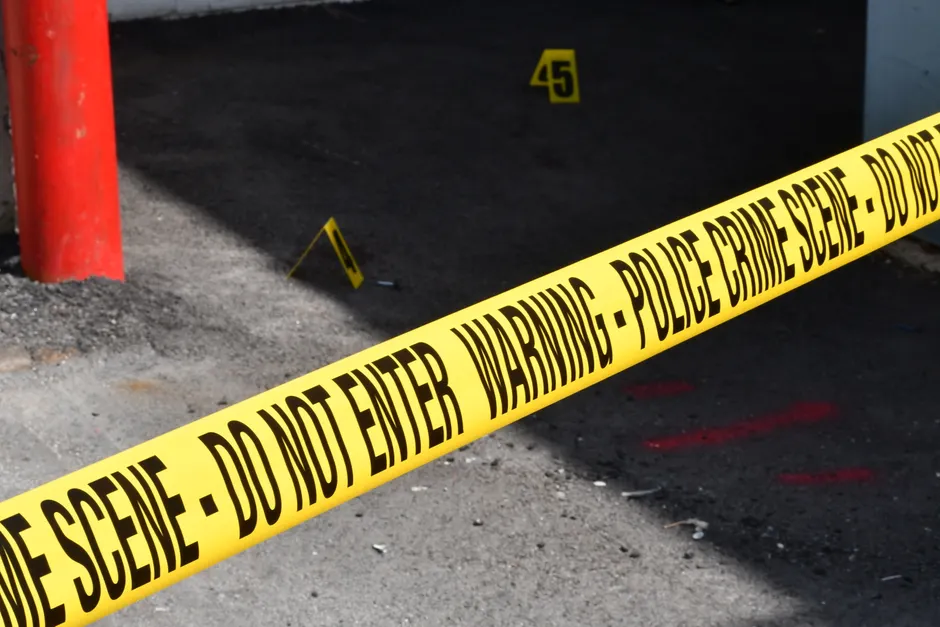
Idaho Will Now Use Firing Squads as Its Main Way to Execute Prisoners

Idaho Will Now Use Firing Squads as Its Main Way to Execute Prisoners
Starting July 1, 2026, Idaho becomes the only U.S. state where firing squads are the standard method of execution. Five other states allow firing squads, but only as a backup option. Idaho is different — it has made firing squad the first choice.
Governor Brad Little signed the bill into law in March 2025, according to the Death Penalty Information Center. The law didn't take effect right away. Instead, it gave Idaho's prison system over a year to prepare the execution chamber for the change.
Getting the Prison Ready
A prison facility in Idaho called F-Block is being remodeled to handle firing squad executions. The state is also keeping lethal injection as a backup method — a second option available if a firing squad execution becomes impossible for some reason, like equipment breaking down or a legal order blocking it, according to a June 2025 update from Idaho's Department of Correction.
Having a backup plan gives the prison flexibility. Idaho doesn't have a large death row population, and having lethal injection waiting in the wings means officials won't get stuck if something goes wrong.
Why Idaho Made This Change
Idaho's recent history with executions pushed this decision forward. In February 2024, the state tried to execute a man named Thomas Creech using lethal injection, but the procedure didn't finish because of supply problems, according to documents from Idaho's Department of Correction. This wasn't a one-time problem — lethal injection has become harder to do across multiple states.
The drugs used in lethal injection come from pharmaceutical companies. Many of these companies don't want their products used for executions, which has made it difficult and expensive for states to get the chemicals they need. Firing squads avoid this problem entirely. They require no special drugs, no cooperation from pharmaceutical companies, and no complex pharmacy work.
The Federal Government Made a Similar Move
Idaho's decision doesn't happen in a vacuum. In April 2026, the U.S. Department of Justice approved firing squads, electrocution, and lethal gas for federal executions, expanding the toolkit beyond lethal injection for the first time in years. The federal and state changes are legally separate, but they point in the same direction: institutions moving away from methods that depend on drug companies.
What Comes Next
Here's what July 1 actually means: the law is now in effect. But that doesn't mean an execution will happen right away. To carry out any execution, the state still needs a death warrant, the condemned person's legal appeals must be exhausted, and the prison has to be ready. All of those steps take time — sometimes months or longer.
The biggest question ahead is legal. Firing squad executions have never been fully tested in the U.S. Supreme Court under the Eighth Amendment, which bans cruel and unusual punishment. Someone on death row could challenge the method in court, which would likely halt any execution scheduled using that method. That legal fight is probably coming.
What Idaho has decided is that firing squads should be allowed. Whether the courts will permit them to actually use that method remains an open question.