Why Oil Fell, and Why Fuel Bills May Not Fall Yet

Oil prices fell early on Oct. 12 on hopes that diesel fuel from Russia could ease fuel shortages around the world, according to the Wall Street Journal.
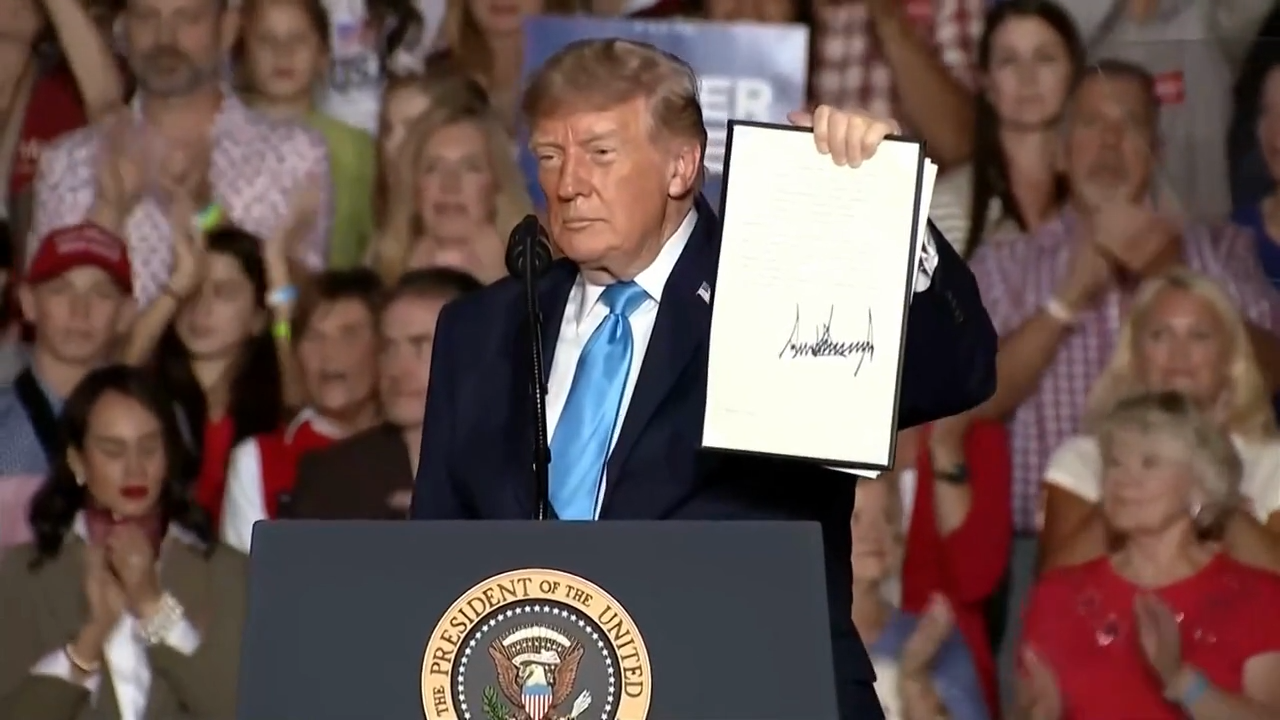
Diesel futures, which are bets on what diesel will cost later, were down about 4.5% at $4.67 a gallon after Trump posted about a deal with Russia, according to the Wall Street Journal. The Journal published an article titled 'Trump Strikes Deal With Putin for Russian Diesel' on Oct. 10. When announcing the diesel plan with Russia, Trump blamed Ukraine for high fuel prices in the U.S., according to TIME.
Trump's energy ceasefire announcement came two days after he announced an agreement to buy Russian diesel fuel, according to The Guardian. Trump said Russia and Ukraine had agreed to an "energy ceasefire," according to NPR. Ukraine said Russia broke Trump's "energy ceasefire," according to The Guardian.
Separately, the Houthis said they carried out a Saturday attack on Riyadh's international airport that killed 13 people and hurt more than 300, as reported on Oct. 12 by U.S. News. Saudi Arabia kept Riyadh airport closed longer after the deadly attacks, as reported on Oct. 12 by France 24. On Oct. 11, the foreign ministers of Saudi Arabia and Iran talked about tensions in the region, according to Reuters.
The broader context here is a tug of war. Diesel is the part of the oil supply that is shortest right now. Think of crude oil as flour and diesel as baked bread. More bread on the shelf can lower prices. But fighting over a ceasefire and closed airports can keep shipping and insurance costs high.
In my view, watch diesel more than oil itself. A 4.5% drop to $4.67 a gallon is a big move for the gap between oil costs and fuel prices. If Russian fuel ships do not actually load and unload, prices can jump back fast. If they do arrive, diesel relief comes first. Oil prices would follow later.
Looking at what this means for your money, traders see both more fuel coming and more trouble that could block it. Early trading in Asia is quiet, so prices can move on little news. What counts is whether ships sail, airports reopen and leaders follow through, not social media posts. That is why fuel bills could still swing.