Why Diesel Prices Dropped After Trump's Russia Claim

European diesel prices fell 3% on Monday after President Trump claimed Russia and Ukraine had entered an "energy ceasefire." The fall was reported on Oct. 12, 2026, with diesel reacting first and hardest. Financial Times
Oil prices also fell on Oct. 12. Traders were weighing the chance of more Russian diesel and a possible energy ceasefire. The drop was about competing supply signals, not a confirmed change in actual oil flows. The Wall Street Journal
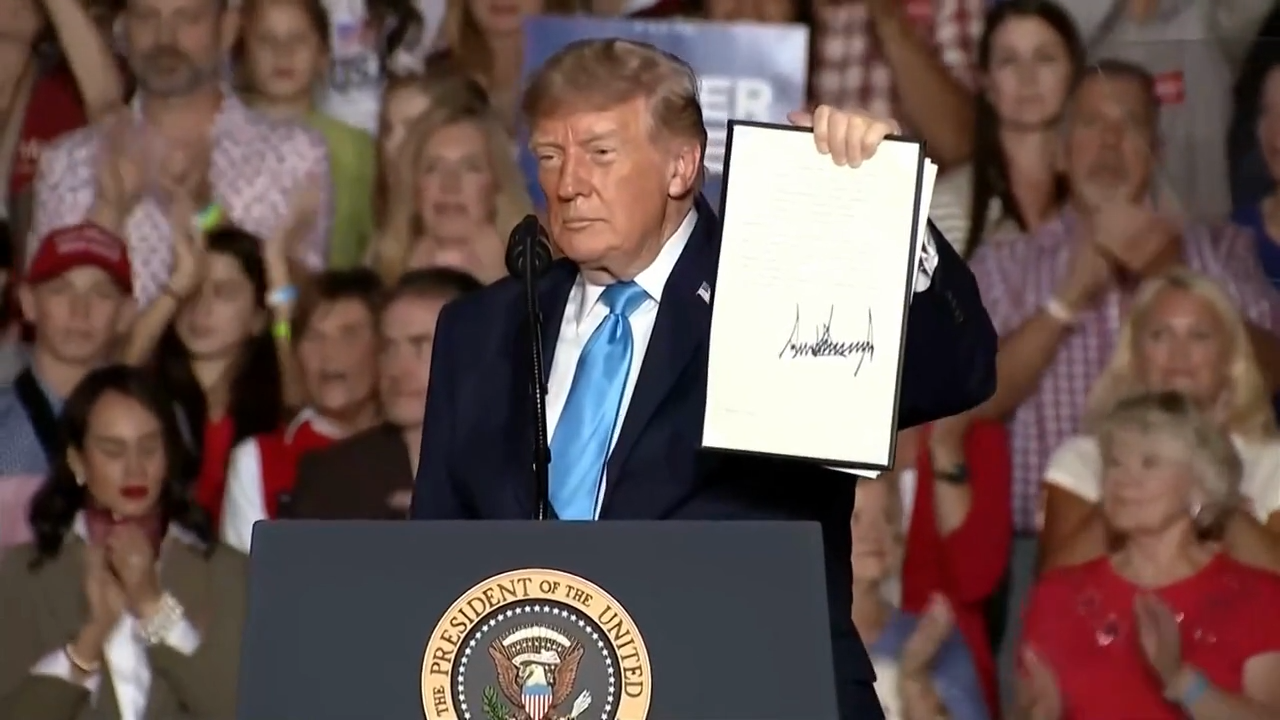
Trump said his team had reached a deal for Russia to send large amounts of diesel to the U.S. That was described as a deal reached, not fuel already delivered. A separate report gave a number, saying Russia would "immediately" release 300,000 tons of diesel. The Wall Street Journal NBC News
The supply claim came with a policy change. The U.S. agreed on Friday to lift sanctions on Russian fuel, according to the latest reporting. Trump also blamed Ukraine for high U.S. fuel prices, a charge reported a day earlier. NBC News Time
Stock futures moved the other way. Nasdaq futures rose 0.3% after Trump announced the diesel deal. Broader stock futures pointed to small gains in early trading. The Wall Street Journal
The Wall Street Journal tracked this live in "Stock Market Today: Diesel Prices Slip on Trump Push for Russia-Ukraine Truce," published Oct. 12, 2026 at 5:07am ET. It reported small gains for stock futures alongside the slip in diesel. The Wall Street Journal
The broader context here is the difference between raw oil and finished diesel. Think of crude as flour and diesel as bread. A diesel headline hits diesel first, then affects oil through refinery profits and plans. A 3% diesel drop with softer oil fits that path. Traders still need paperwork, timing and shipping details: sanctions wording, loading dates, destination rules, and what the 300,000 tons covers.
In my view, the market is treating this as a headline, not confirmed new supply. Nothing verified confirms Ukrainian agreement, Russian loading or U.S. receipt. Prices can move on odds alone. That explains cheaper fuel with small stock gains and no confirmed demand shock. Until customs data, ship reports or formal notices match the claims, the move measures expectations, not barrels.
Looking at what this means for positioning, diesel is the most sensitive from here. If details confirm amounts and delivery dates, fuel prices adjust first and oil follows. If proof lags or conflicts, the bounce-back risk sits in the same place. For now we have cheaper fuel on paper and a small lift for stocks, both waiting on proof not yet reported.