Three-Year-Old in Hospital After Crocodile Enclosure Accident at Zoo
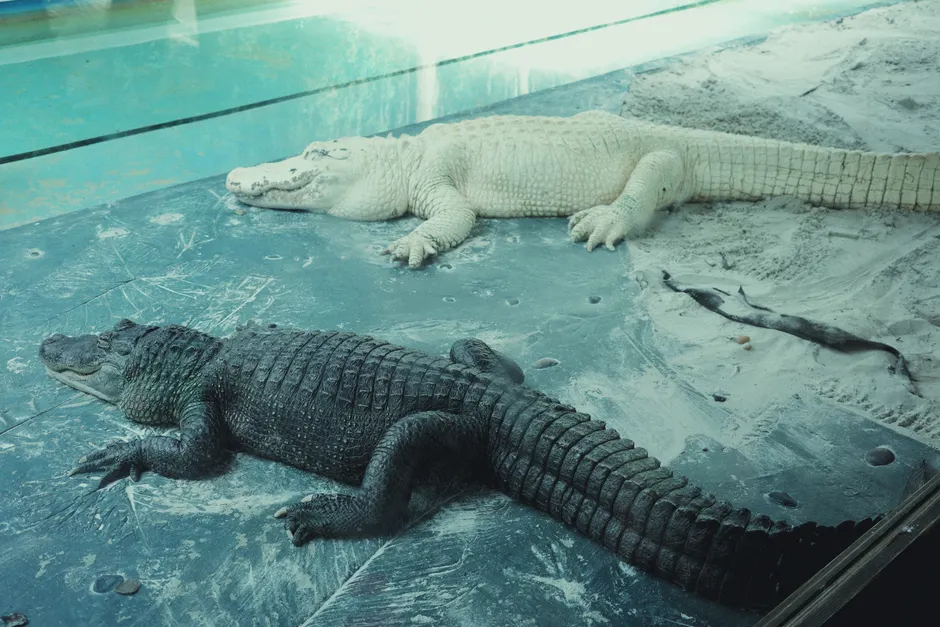
A three-year-old boy fell into a crocodile enclosure at Johnsons of Old Hurst zoo near Huntingdon, Cambridgeshire on June 18, 2026 and was bitten. He has had five surgeries so far and will need at least two more. His parents have stayed at the hospital with him since the accident and don't know when they'll be able to go back to work.
What happened next was fast and coordinated. Tracey Johnson, who runs the zoo, jumped into the enclosure to get the child. Off-duty paramedics and police officers who were visiting that day gave first aid before emergency responders arrived. The zoo said on Instagram that the child was rescued within minutes of the first emergency call. The Magpas Air Ambulance also helped at the scene. Sky News reported the boy was in stable condition after the rescue.
Police arrested a 30-year-old man from Norfolk on suspicion of attempted murder. He was released on bail while they check whether he is mentally fit to be interviewed. Reports say he has learning disabilities and was at the zoo on a supervised trip with carers. The investigation is still open. An important detail here: police say the child was thrown into the enclosure, not that he fell—and that claim is what led to the attempted murder charge. But the man hasn't been formally charged yet, and no one knows for certain what will happen in the legal process.
The family publicly thanked the people who helped rescue the boy. Over £25,000 has been raised through a GoFundMe campaign to help pay for his recovery. The family says the money is covering their hospital bills, meals, transport, and the everyday costs of being away from home while their son heals. The zoo has since reopened.
What happens next in the legal case depends heavily on whether the suspect is mentally capable of standing trial. In the UK, there are two separate questions: Can the person understand court proceedings and help with their defense? And are they responsible for what they did? If investigators decide the suspect can't participate in a trial, the case might go to a mental health court instead of a regular criminal court. That decision hasn't been made yet. What we do know is how much harm has been done: a small child facing many more surgeries, and a family whose life has paused in a hospital.