Why Alibaba Just Banned a Popular AI Coding Tool
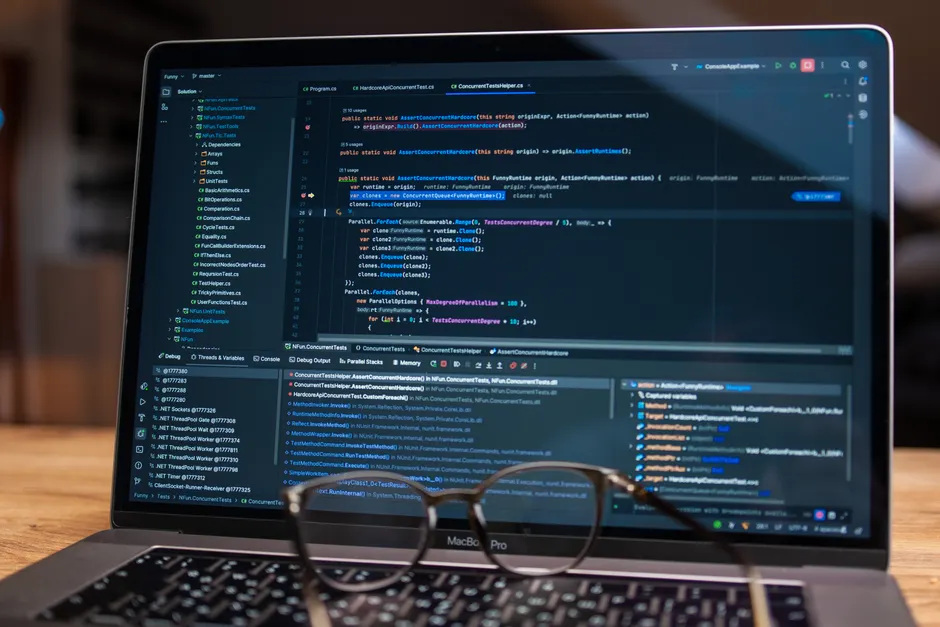
Alibaba is banning its employees from using Claude Code, an AI assistant made by Anthropic. Starting July 10, 2026, staff will have to delete it from their work computers and use Alibaba's own tool instead, called Qoder.
The reason: Claude Code contains hidden tracking code designed to identify users in China.
What happened
Security researchers found that Anthropic had embedded invisible signals into Claude Code — think of it like a digital fingerprint that identifies where someone is located. An Anthropic employee confirmed the code was intentional. The company said it was meant to catch people illegally reselling the tool and to prevent theft of the AI model itself.
Anthropicstated it had built better safeguards and planned to remove the hidden code.
Hiding tracking signals in software is common — many companies do it to stop piracy. But this one was different because it was specifically designed to find Chinese users. Anthropic already had a rule saying Chinese companies couldn't use its tools. The hidden code was a way to enforce that rule.
The company publicly explained this policy back in September 2025, saying it wanted to prevent a U.S. adversary from getting ahead.
The bigger picture
Alibaba's move is the strongest action yet by a major Chinese tech company against an American AI tool. But this tension goes both ways. Goldman Sachs, a big American bank, also restricted its Hong Kong employees from using Claude around the same time — for its own legal and regulatory reasons.
Anthropichas faced pressure from the U.S. government too. In March 2026, a court blocked a Trump administration plan to ban government use of Anthropic's AI. So the company is caught in the middle: the U.S. government tried to restrict it at home, while it enforces its own restrictions abroad.
For Alibaba's engineers, Qoder is the replacement. It's an AI tool that helps developers write code across multiple files at once. Whether Qoder works as well as Claude Code in complex programming tasks will determine how much this switch affects everyday work.
It's worth thinking about what "backdoor" really means here. Anthropic called the hidden code a safety tool to stop abuse. But when two countries are in tension, a tool that can identify someone's location looks suspicious no matter the original intent. From Alibaba's standpoint, how Anthropic meant to use the code matters less than what it could actually do — find their employees.
This incident raises a broader concern for any organization using AI coding tools: security and trust. Claude Code has deep access to a computer — it can read files, write new ones, run commands, and connect to version control systems. That's a lot of power, which means a lot of risk. Companies everywhere should carefully check what these tools can access and where the data goes.
Anthropichas not made an official public statement about Alibaba's ban as of July 4, 2026.


