EV Batteries Are Lasting Much Longer Than People Think
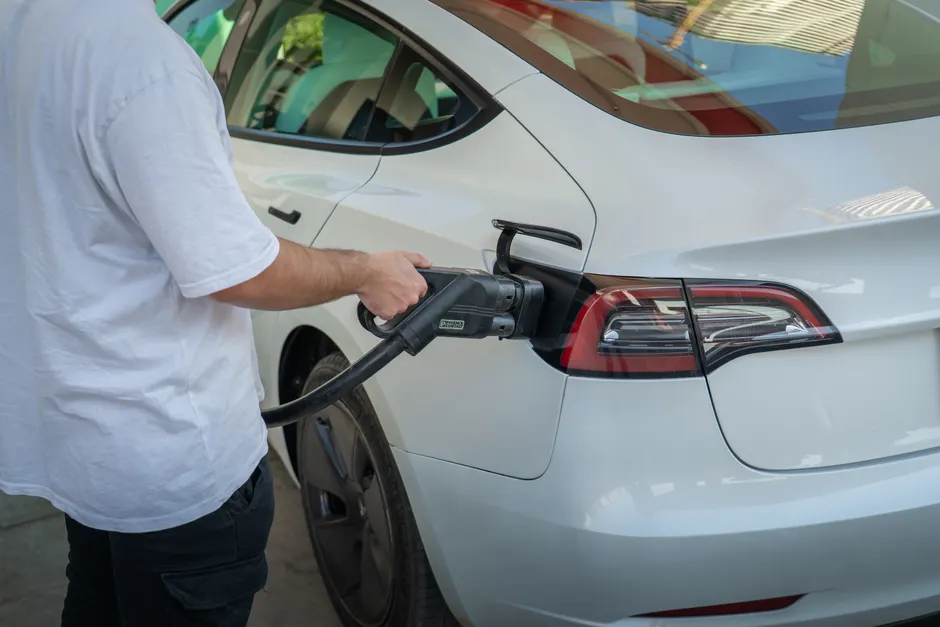
Electric vehicle batteries are holding up far better than car buyers assumed they would, according to a Wall Street Journal report from July 2026. The finding comes at an awkward moment: EV sales in the United States are down 25% compared to the same period last year.
That disconnect matters. Battery worries have been the single biggest concern holding back EV purchases since they became available to regular customers. The concern made sense at first — phone batteries degrade visibly after a year or two, and people naturally wondered if car batteries would do the same. But it turns out car batteries are engineered completely differently, and the real-world numbers now show it.
What the Numbers Show
Recurrent Auto, a company that tracks battery health across 250 million miles of EV driving, found that batteries lose only 1 to 2 percent of range per year. After a steeper drop in the first 50,000 miles, the decline flattens out. This means a car bought today will still have most of its range working well into its second decade.
The manufacturers themselves reflect this confidence in their warranties. Tesla's Model 3 Standard Range, for example, guarantees the battery will hold at least 70 percent of its original capacity at either 100,000 miles or eight years — whichever comes first. That is the company's own bet on how long the battery will last.
Research from the National Renewable Energy Laboratory, cited by Recurrent Auto, projects that today's EV batteries should work for 12 to 15 years. The math backs this up: a typical EV driven for 20 years will go through only about 1,000 charge-and-discharge cycles — well within what modern battery chemistry can handle.
Why People Still Worry
The phone battery analogy is hard to shake. Everyone has watched their smartphone battery fade from all-day life to just a few hours in a couple of years. That experience sits in your mind and colors how you think about all lithium-ion batteries.
But car batteries work under completely different conditions. A car has active cooling systems that keep the battery at the right temperature. The software never charges it to a full 100 percent or drains it to zero — it stays in a gentler operating range. Most importantly, a phone battery is built to be as thin and light as possible, while a car battery is built to last as long as possible. The priorities are not the same.
Daily driving habits also matter. Most people charge their EV at home overnight and rarely fully deplete the battery in one day. Someone who drives 40 miles and tops up each night is only cycling through about 10 to 15 percent of the battery's capacity daily. That is an extremely gentle pattern compared to the heavy drain cycles that wear out phone batteries quickly.
The Odd Market Moment
The broader context here is that battery durability is improving right as EV sales are falling. A 25 percent drop year-over-year is significant, and manufacturers point to battery range anxiety, a lack of charging stations, and high vehicle prices as reasons customers hold back. Of those three, battery anxiety is increasingly a perception problem rather than an engineering one — the data shows the batteries work well, but many people still do not believe it yet.
Technical maturity does not always translate to market growth overnight. Consumer confidence rarely keeps pace with engineering facts. But for fleet companies, insurance firms, and used-car dealers — organizations that calculate risk with actual numbers — the Recurrent Auto data and NREL forecasts change the picture substantially. If batteries really do last 15 years, the car is worth more on the used market and costs less to insure over its lifetime. That repricing will eventually show up in what regular buyers pay.
The pattern here is familiar across technology history: a constraint that everyone worried about gets solved, and the bottleneck moves somewhere else. For EVs, the battery is reaching that point. The remaining challenges — charging infrastructure, charging speed, and upfront cost — are real problems, but they are the kind that money and engineering can address directly.


