America's 250th Birthday Party Hit By Heat and Storms

America's 250th Birthday Party Hit By Heat and Storms
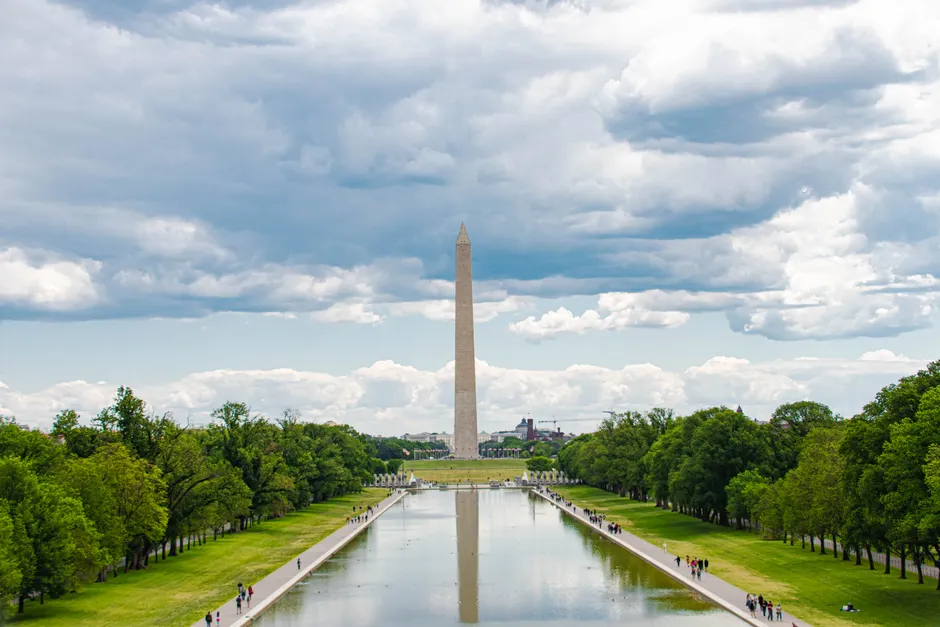
On July 4, 2026, thousands of people gathered on the Washington Monument Grounds for "Salute to America 250" — billed as the biggest Fourth of July celebration ever held in the United States. The event included military planes flying overhead, a concert, a speech by President Donald Trump, and what organizers said would be the largest fireworks display the country has ever seen. But the weather had other plans.
The Heat and Storms
The weather was brutal across the East Coast that weekend. Temperatures in Washington, D.C., climbed above 100°F as part of a wider heat emergency affecting millions of Americans. The heat was serious enough that the annual Independence Day Parade in Washington was cancelled entirely — a significant loss for a milestone anniversary. The Capitol Concert, scheduled for the evening of July 3, had to delay opening its gates. A severe thunderstorm on July 3 already had organizers scrambling.
Then on July 4 itself, another thunderstorm hit in the early evening. Crowds had just started arriving when the storm forced an evacuation of the National Mall. According to BBC correspondent Richard Preston, the storm pushed everything back significantly. The fireworks were supposed to start around 10:30 PM. Instead, per Fox 5 DC's live coverage, they didn't begin until close to midnight.
The extreme heat was creating problems in other places too. The 2026 FIFA World Cup, also happening across the United States at the same time, faced similar heat threats to players and fans at its venues. A single heat wave can strain multiple major events happening simultaneously — think of it like one power grid struggling to keep dozens of buildings cool at once.
What Actually Happened
The main event was staged on the Washington Monument Grounds, which the National Park Service designates as the nation's top Independence Day venue. It was free to attend, which meant very large crowds. The scale and the presidential speech created what the Associated Press had flagged weeks earlier as an "extraordinary security challenge," so organizers put extra security measures in place.
Despite the weather chaos, organizers delivered the whole program — the flyover, the concert, the presidential address, and the fireworks. The fireworks happened close to midnight rather than in the evening. According to organizers, it was the largest fireworks display in U.S. history. For people who couldn't be there in person, a live stream was available online. A separate ticketed "LA Benefit Show" also ran as a parallel event on the West Coast.
Why This Matters
The year 2026 marks 250 years since the Declaration of Independence was signed on July 4, 1776. The federal government turned this anniversary into a coordinated national event with celebrations scheduled across the country, not just in Washington. NBC News reported that heat-driven cancellations and delays happened at America 250 events nationwide, so the weather problems were not just a Washington story.
Adams National Historical Park also held special events from June 26 through July 5 tied to the anniversary, connecting the celebration to actual historical sites from the founding era.
The broader context here is that a 250th anniversary only comes once every 250 years. The next comparable milestone — the 300th anniversary — won't arrive until 2076. What people remember about July 4, 2026, may depend on which images and stories last. AP photographer Pablo Martinez Monsivais captured both the storms and the heat in a published photo gallery that shows the day as it actually unfolded.