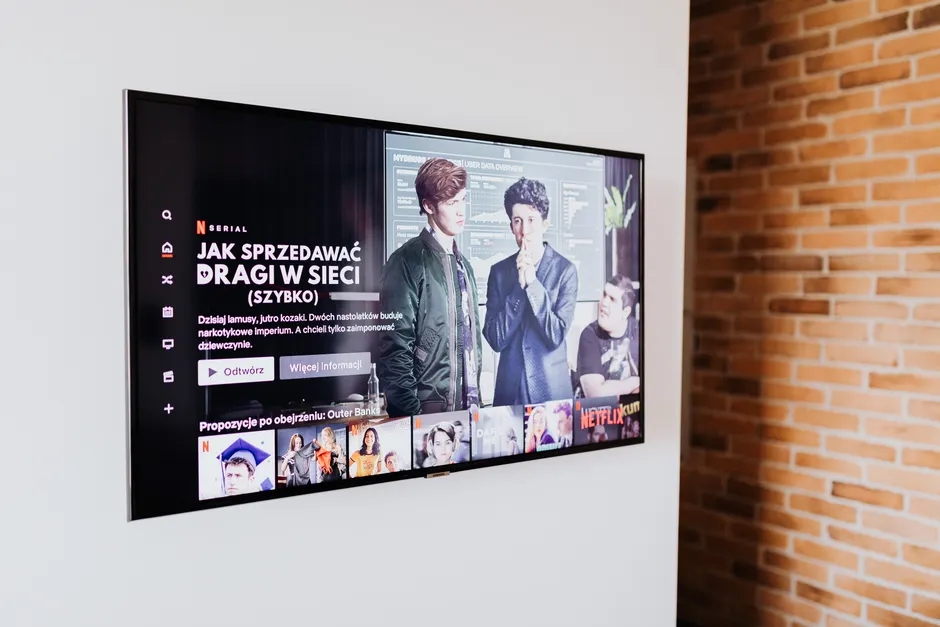
Vizio's New Budget TV Costs Less Than $400—Here's What You're Trading

Vizio is selling a 65-inch television for under $398, making it the cheapest quantum-dot TV on the market right now, according to a review by The Verge published on July 5, 2026. The TV comes in six sizes—from 43 inches up to 85 inches—starting at just $139. Walmart and Sam's Club both sell the line, which makes sense: Walmart bought Vizio in 2024.
The TV uses two technologies to improve picture quality. Mini LED backlighting means hundreds of small lights behind the screen that brighten or dim individually, creating sharper contrast. Quantum dots are a filter layer that makes colors look more vivid. Together, they produce a brighter, more colorful picture than older TVs.
The 65-inch model can handle 4K video at 60 frames per second, and 1080p video at 120 frames per second. It doesn't support the newest gaming standard, which requires HDMI 2.1 cables and would let gaming consoles and PCs run at 4K and 120 frames at the same time—so if you're a serious gamer with a PlayStation 5 or Xbox Series X, this TV has limits. The TV has three HDMI inputs, one USB port, an audio jack, and a built-in antenna for broadcast TV. It supports major video formats like Dolby Vision and HDR10, plus surround sound standards like Dolby Atmos.
What You're Really Paying For
But the real story isn't the picture quality. Walmart bought Vizio because Vizio's advertising business was making all its money. That matters because of how this TV collects data.
When you set up the TV, you face a choice: turn on the smart features—Netflix, YouTube, all the streaming apps—and let Vizio and Walmart watch what you watch, or turn off the smart features and use the TV as a blank screen only. There's no in-between option. And if you plug in an outside streaming box (like Apple TV or Roku) without enabling the smart features, Vizio and Walmart can still figure out what you're watching by monitoring the HDMI cables.
This is worth paying attention to. Vizio got caught collecting viewing data secretly from its TVs in 2017 and had to settle with the government. The new setup gives you a real choice to opt out—that's better than before. But if you opt out, you lose the smart TV features completely.
Think of it this way: if you accept data collection, you get a smart platform. If you don't, you get a dumb display. For people who want to plug in their own streaming devices and keep data private, that's a fair deal. For everyone else, accepting data collection is the price of entry.
At under $400, the picture technology in this TV is impressive for the money. Two years ago, this quality would have cost much more. If you use an external streaming device and don't mind turning off the TV's smart features during setup, this is a solid, affordable option. Just know what you're trading: either some privacy for convenience, or some convenience for privacy.