Queensland Is Reconsidering Its Mine Cleanup Rules — and It's Getting Contentious
Queensland Is Reconsidering Its Mine Cleanup Rules — and It's Getting Contentious
In early July 2026, Queensland's state government announced it would review how mining companies set aside money to clean up sites once they stop operating. The review has already sparked alarm among environmental groups who worry the government might loosen rules — letting cleanup costs land on taxpayers instead.
Why These Rules Exist
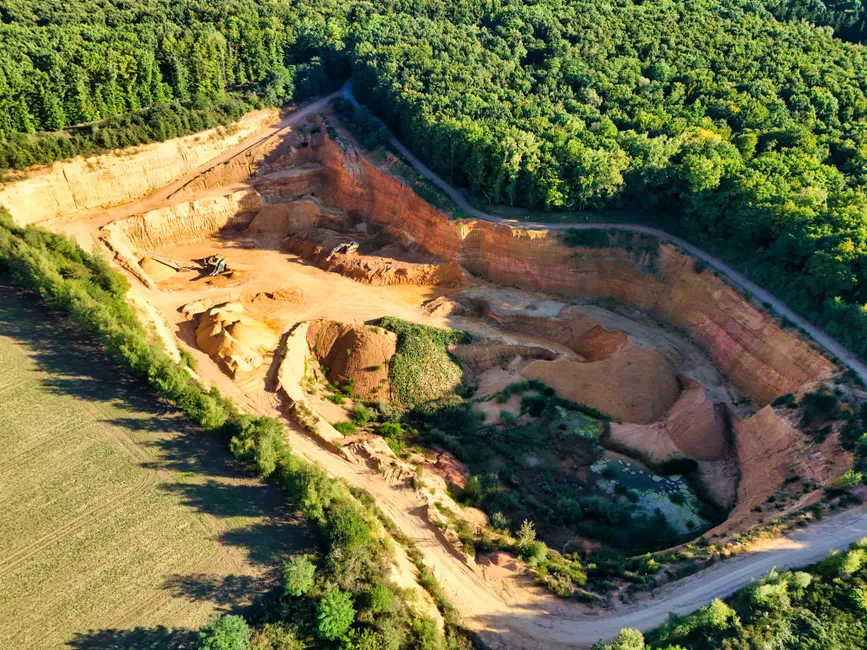
When a mine closes, it often leaves serious problems behind. Acid can drain from old rock, heavy metals can poison soil and water, and the ground can collapse. These issues can last for decades.
Back in 2019, Queensland created the Financial Provisioning Scheme to make sure mining companies had enough money set aside to fix these problems before they walked away from a site. Here's how it works: smaller, lower-risk mines put money into a shared pool that the government manages. Larger or higher-risk mines have to hold their own financial assurance — essentially a guarantee through bonds or insurance — backing their specific cleanup bills.
The logic is simple. If a mining company runs out of money or disappears, the public shouldn't foot the bill for the damage they left behind. Financial assurance means someone with resources is legally on the hook.
What the Government Says
The Treasurer, David Janetzki, and Mining Minister Dale Last say they want the rules to stay "fit for purpose" — and not scare away investment. They're particularly focused on smaller mining companies and explorers. For these junior operators, having to put down large financial guarantees can make it hard to get loans or get a project approved in the first place.
Large mining companies can absorb these costs relatively easily. Small ones feel the same requirement as a much bigger burden.
The government's language about "balancing" investment with environmental protection suggests that relief for smaller miners is likely where the review is headed.
The Catch — and What History Shows
Environmental advocates like Claire Gronow from the Lock the Gate Alliance fired back immediately. Their concern: smaller miners are actually the ones most likely to walk away from unfinished cleanup work if the financial assurance requirements are weakened. That defeats the whole point of having the rules in the first place.
There's a pattern here worth noting. Other places — British Columbia, South Africa, parts of the United States — have tried to balance the same tension. What tends to happen is that temporary breaks for smaller operators become permanent. Once you give an exemption, the constituencies pushing for it don't go away.
What Comes Next
The government hasn't yet released the detailed terms of the review — when it will happen, who gets to weigh in, or how radical the changes might be. That makes it hard to know whether this is a small tweak to how the current system is run, or a bigger rethink of who has to hold financial guarantees and when.
The stakes are high. If the rules change, it affects how mining projects get financed, how companies account for cleanup costs on their books, and ultimately whether Queensland's mine sites get properly cleaned up or whether that obligation shifts to the public. Environmental groups and mining industry figures will likely have sharp differences when the government opens the door for formal feedback.
The Queensland government won the last election on a platform of cutting regulations for the resources sector. This review is part of that broader project — taking another look at environmental rules it inherited from the previous administration.


