These Earbuds Have Batteries You Can Replace Yourself
Fairphone has released Fairbuds 2, its second pair of wireless earbuds. They cost £99 in the UK and €119 in Europe. The US launch follows on November 2nd at $119. The Verge
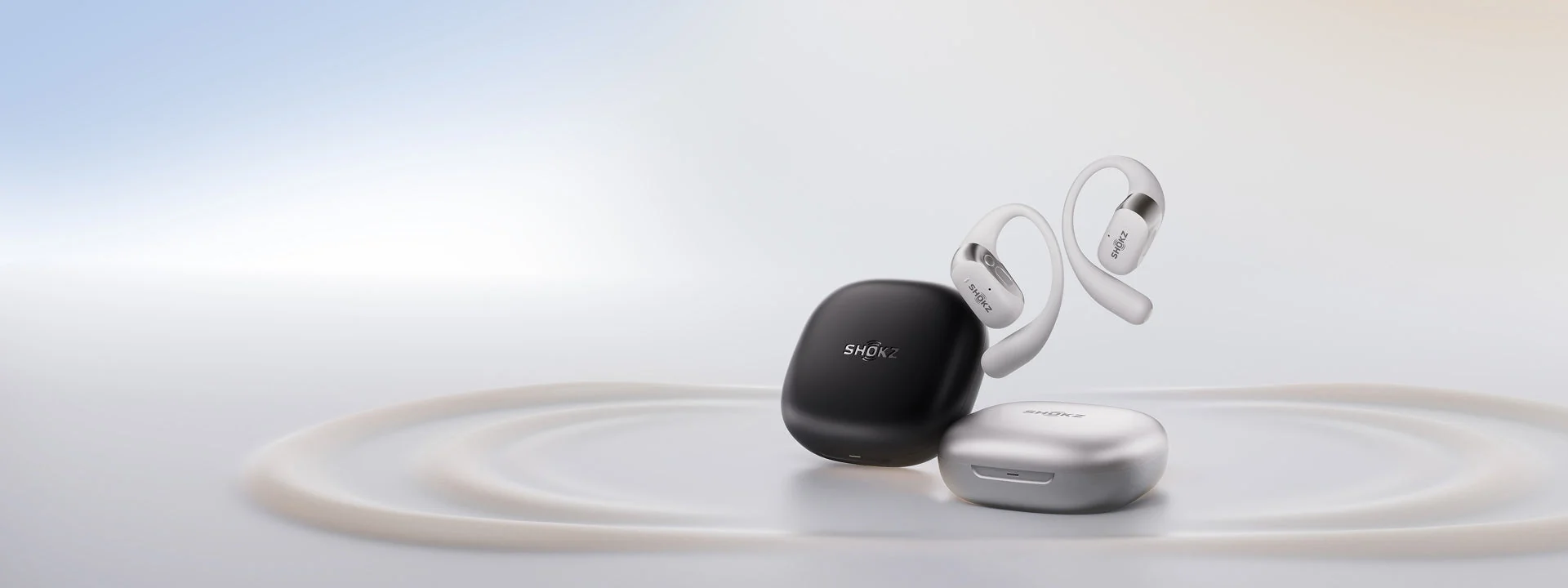
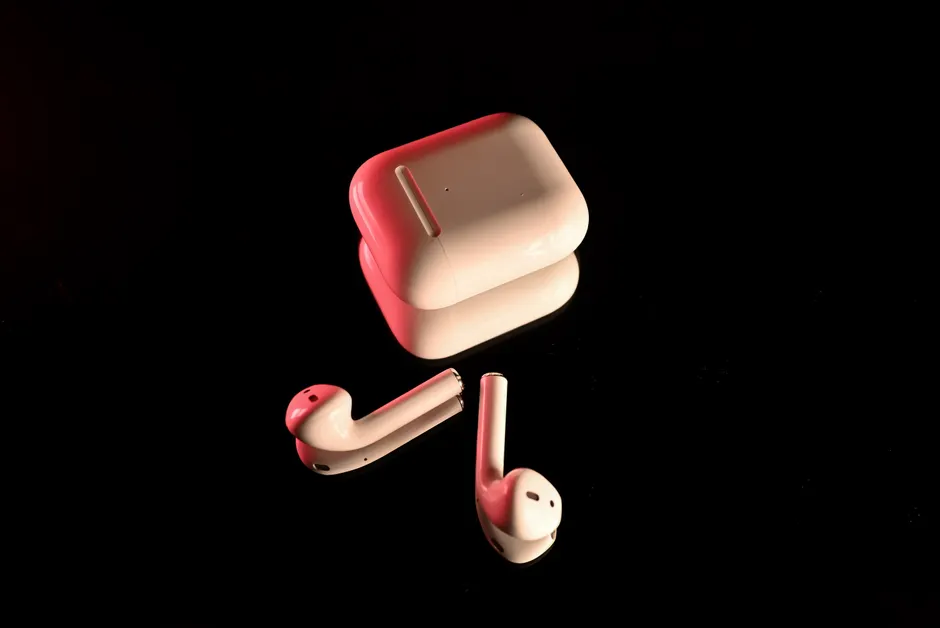
The new model has stems and comes in black or green. The charging case is 37 percent smaller than the last version.
Sound comes from 11mm drivers made with plant fibre. The buds support LDAC, a Bluetooth setting for clearer sound. They can link to two devices at once, such as a phone and a laptop. The app gives five sliders to adjust sound. They also have Hybrid Active Noise Cancellation, which uses microphones to lower background noise. Fairphone
Battery life is 40 hours in total with noise cancelling off. The buds run eight hours alone, or six hours with cancelling on. They charge over USB-C in a couple of hours. There is no Qi wireless charging, so no charge pad. The Verge
The battery in each bud comes out in under a minute with no tools, like changing remote batteries. One tiny screw, called T5, holds the battery in the case. There are seven parts users can replace, including tips and sleeves. Spares will be sold on Fairphone's site. The buds have an IP54 rating for rain and sweat, and a three-year warranty.
Fairphone says 49 percent of materials are fair and recycled. The company says replaceable design means longer use and sourced materials mean lower impact. It calls them next-generation modular wireless earbuds. The European launch was set for October 14, 2026. Fairphone Support The YouTube premiere was at 13:00 CET that day.
In my view, Fairphone did not drop normal features to allow repair. LDAC, two-device link, noise cancelling and sound sliders match what buyers expect in 2026. Specs sit in the middle. Repair options do not. The case is smaller, batteries stay easy to reach, and the price holds at £99 / €119 / $119.
Looking at what this means for how long they last, the weak spots are simple. Small batteries fade. Tips wear. Contacts corrode. In sealed buds, one fault ends the set. Here the bud battery swaps fast, the case needs one small tool, and worn parts can be ordered. That makes support about parts, which is simpler and cheaper.
The broader context here is that earbuds lagged behind phones on repair because makers said they were too small to open. Fairbuds 2 shows the limit was design, helped by leaving out charge coils and strong glue, not physics. If a much smaller case still opens without tools, others can do the same. Over time, what this enables is earbuds you fix and keep.