How a South African Fashion School Competition Became a Big Deal
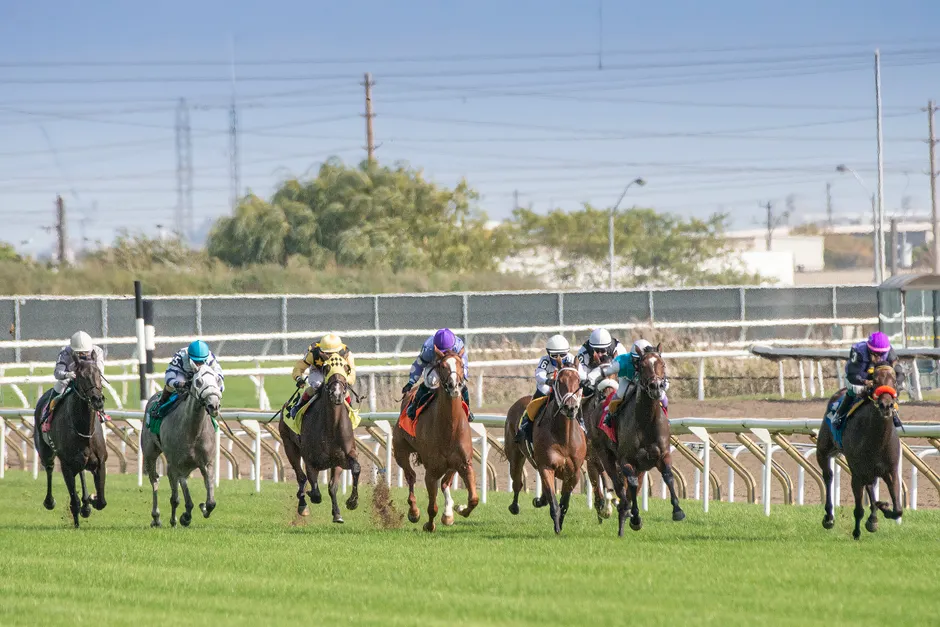
Over 140 fashion design students from 10 colleges entered a competition at the 2026 Hollywoodbets Durban July, a horse racing event held at Greyville Racecourse in Durban on July 4, 2026. This was the largest group the competition had ever seen, according to Hollywoodbets Durban July organisers.
The theme for the year was 'Country Allure,' which asked designers to blend rural landscapes with equestrian (horse-riding) culture. Twenty-five semi-finalists were chosen after judges reviewed entries on June 4, 2026. Those winners got to present their designs on race day in front of an audience and press.
The fashion events began at 11:30 a.m. on race day, with the public entering from 9:00 a.m. The runway and styling drew fashion designers, professional models, and people who love fashion. It gave everyone a chance to show African style and creativity to national and international viewers, as TimesLIVE reported.
The designs reflected the 'Country Allure' theme with sculptural fascinators (ornamental headpieces) and modern country clothing — pieces that worked for a horse racing event. IOL's coverage noted that the fashion drew as much attention as the racing itself.
What makes the Durban July different from other horse racing events is how it treats fashion. Royal Ascot in England has strict dress codes set from the top down. The Kentucky Derby relies on regional tradition. But Durban's fashion scene is built from the ground up — the event welcomes professional design students and everyday people taking creative risks with their outfits. The student competition reflects this: it's organized enough to attract schools, but open enough to reward bold ideas from anyone on the track.
For the 10 colleges involved, the competition offers something their classrooms don't. Students get a deadline, public judges, and a chance to meet South Africa's fashion journalists and buyers in person. With more than 140 students competing to reach 25 semi-finalists, the selection process carries real professional weight.
Why this matters beyond the day itself: South Africa's fashion industry has faced real challenges over the past decade — cheaper imports, shoppers spending less money, and fewer local factories making clothes. Events like the Durban July that bring genuine media and business attention to local designers have real economic value. Whether these student designers build lasting careers depends on many things outside any single race day, but the platform they get here is substantial.
The 'Country Allure' theme also raised deeper questions. Equestrian culture carries associations with South Africa's colonial past, but it's also tied to real rural African traditions. How young designers worked through that tension — and which interpretations judges rewarded — will probably shape fashion conversations in South Africa through the year.