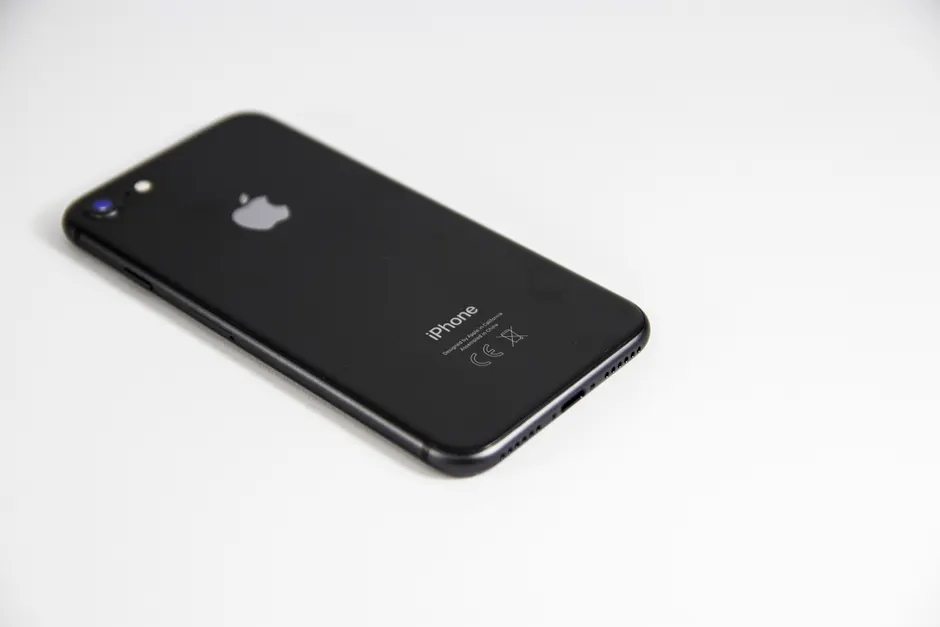
Apple's AI Is Finally Ready for iPhones in China

China has approved Alibaba's AI models for use in Apple's AI system in China.
The approval covers Tongyi Qianwen, also called Qwen. Qwen is the AI system that writes text and answers questions. The clearance, reported on October 14, also covers Tongyi Wanxiang, Alibaba's tool that makes pictures and video from written prompts. It removes the last government permission needed for the models for Apple Intelligence in mainland China, where the service had not yet rolled out nearly two years after its launch. Engadget
The timing is tied to new phones. Chinese filings included network permits, or permission to connect to local networks, for the iPhone Duo and iPhone 18 Pro. The iPhone Duo was set to launch in China the next week with a new and improved Siri AI as a main software feature. Engadget
Qwen was confirmed to be central to Apple Intelligence on compatible iPhone, iPad, Mac and Vision Pro models sold to Chinese customers. That wide scope means the setup will work across Apple's products in China, not only on the new phone. China approved Alibaba AI models for use in the iPhone Duo and other Apple handsets, according to the same October 14 reporting. SCMP
Apple had already received clearance to roll out Apple Intelligence in mainland China in July but had not yet done so at the time of the report. The service was registered with China's cyberspace regulator, a step reported on July 15. That statement did not give a launch date for Apple Intelligence in China. Reuters
The approval follows 18 months of work. In February 2025, Apple teamed up with Alibaba to build AI features for iPhone in China. Apple and Alibaba then sent their jointly built features to China's cyberspace regulator for approval. Reuters
Two details from August help explain the setup. On August 8, Apple said Mac users in China could connect to Alibaba's Qwen AI service. Reuters On August 14, Reuters reported that Apple was training its own AI model for China with Alibaba's help. Reuters
In the United States, Apple worked with Google and OpenAI to train Apple Intelligence models and pass hard questions to outside help. The China setup uses different suppliers but has a similar shape, with local base models and outside helpers rather than one single model doing everything.
The broader context here is local plumbing. Think of it like power plugs that differ by country. Apple keeps a separate AI supply chain for each place. Qwen and Wanxiang handle the AI text, picture and video jobs inside China, while the August reporting on Apple training its own model with Alibaba support suggests Apple keeps control of Siri tuning. A question asked in the US may take a different path in China, with different speed and limits.
In my view, the delay is the lesson. Apple held back a main software feature for nearly two years while it waited for model and service approvals. Hardware and software readiness were not enough. Government registration and network permits set the schedule. Linking the final approval to the iPhone Duo launch week pairs the software with new phones, which gives Apple a fresh base of devices to learn from.
What this enables, if rollout goes ahead, is catch-up. Chinese buyers with supported devices would finally get the Apple Intelligence features found elsewhere, built on local models and reached through Siri, writing tools and image creation. My kids chose new phones for the camera. They kept using them for the software. Siri will face that same test in everyday Mandarin.