UK Makes Political Donations Harder to Hide—Here's Why It Matters
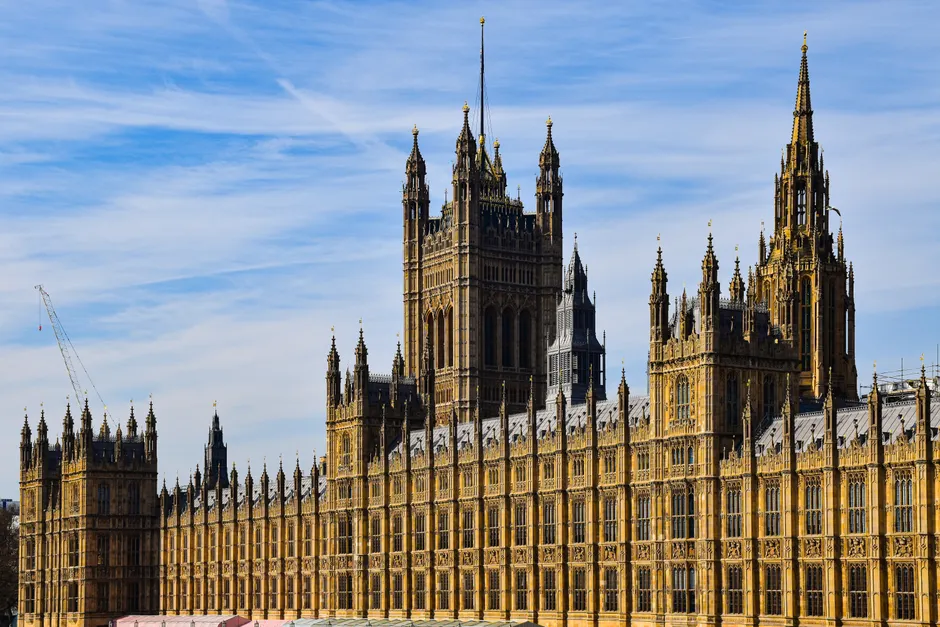
The UK government announced new rules on 7 July 2026 to control how much money can flow into politics. The changes will cap donations from people who recently moved to the country, demand better checks on corporate donors, and require political candidates to say where their money came from before they run for office. Communities Secretary Steve Reed said bluntly: "British democracy is not for sale."
The announcement arrives at a tense moment. Nigel Farage, who leads Reform UK, is being investigated over money and benefits that may not have been properly declared. One of his aides has a criminal conviction for fraud in the United States.
What the New Rules Do
The main change targets foreign money. Anyone who moves to the UK from abroad can now donate a maximum of £100,000 for just one year after they register to vote. This closes a loophole that critics say let large amounts of money slip into politics from people who had no real connection to the country.
Companies that want to donate must now prove they are real and profitable. The government wants to stop fake shell companies from secretly funneling money to politicians.
Candidates running for office must now declare donations above £2,230 from the months before they stand for election. This is new. Right now, only politicians who win must disclose where they got money from before winning. Unsuccessful candidates face no such requirement. Personal gifts to candidates are still exempt from these rules, which some say leaves a loophole.
The government says the reforms are designed to stop "foreign interference in UK democracy." They follow recommendations from the Rycroft Review published in March 2026, which also called for a ban on cryptocurrency donations. The Electoral Commission—the body that oversees elections—has been asking for these kinds of rules since 2013.
Why Farage Is in the Picture
Farage is already under investigation over a £5 million donation from a cryptocurrency billionaire, Christopher Harborne. Farage called it a "reward" for Brexit. Now there may be a second investigation, over money and benefits from George Cottrell, a man who works on Farage's social media team.
Cottrell provided Farage with staff to help with social media, security guards, and use of a large house near Buckingham Palace. Farage did register some items from Cottrell—a trip to Belgium for £9,253 and a flight in the United States for £15,276. But Reform UK says the rest of what Cottrell gave him—the staff and the house—were personal gifts, not political donations. That distinction matters under the rules. Personal gifts do not need to be reported the same way that donations do.
Cottrell himself is a problem. In 2016 he was charged with wire fraud over an alleged money laundering scheme. He served prison time in Arizona and is now trying to get a pardon from Donald Trump.
Reform UK has raised more money than other major parties in recent months, much of it from cryptocurrency investors. The new rules that pause crypto donations seem designed to hit Reform UK's finances specifically. When the Rycroft Review came out in March, Labour and others quickly pointed this out.
The question of what counts as a personal gift versus a political donation is genuinely unclear under current rules. That ambiguity is what Farage and Reform UK are relying on in their defense. Once the new rules pass, the line will be sharper for candidates going forward, though these rules will not apply backwards to Farage or anyone already in Parliament.
Bigger picture: UK parties took in more than £15.4 million in donations and public money in the last three months of 2025. Money is flowing into politics faster than the rule book can keep up with it, especially new forms of money like cryptocurrency. These reforms try to catch up, but it is not clear whether the new rules will move fast enough as new methods of funding appear.


