Flock Says Its Microphones Hear Only Gunshots, but Its Website Says More

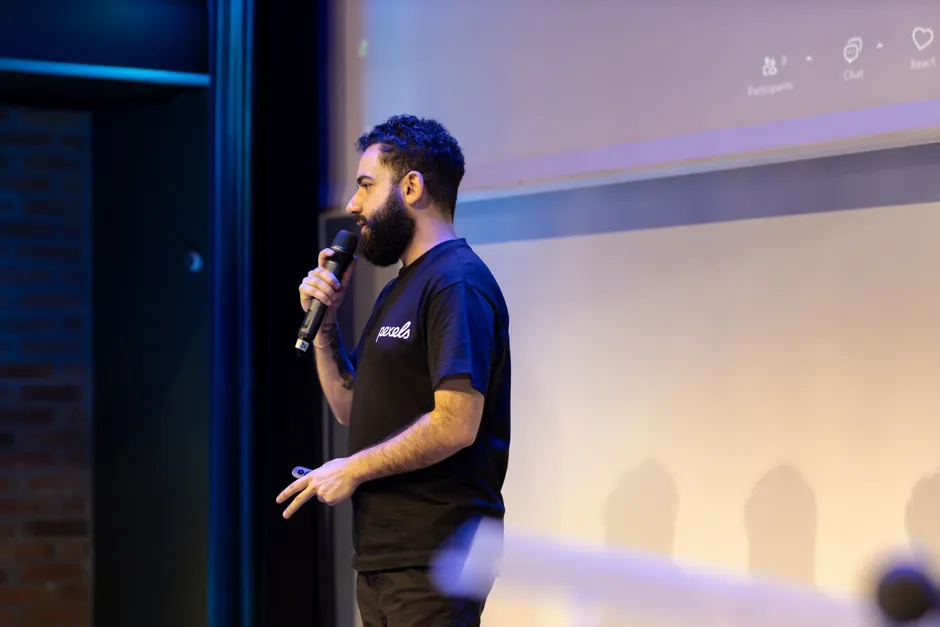
Flock chief executive Garrett Langley said the company's gunshot-detection microphones detect "just gunshots." He spoke onstage at TechCrunch Disrupt with TechCrunch editor-in-chief Connie Loizos. The account was published Oct. 14, 2026. TechCrunch
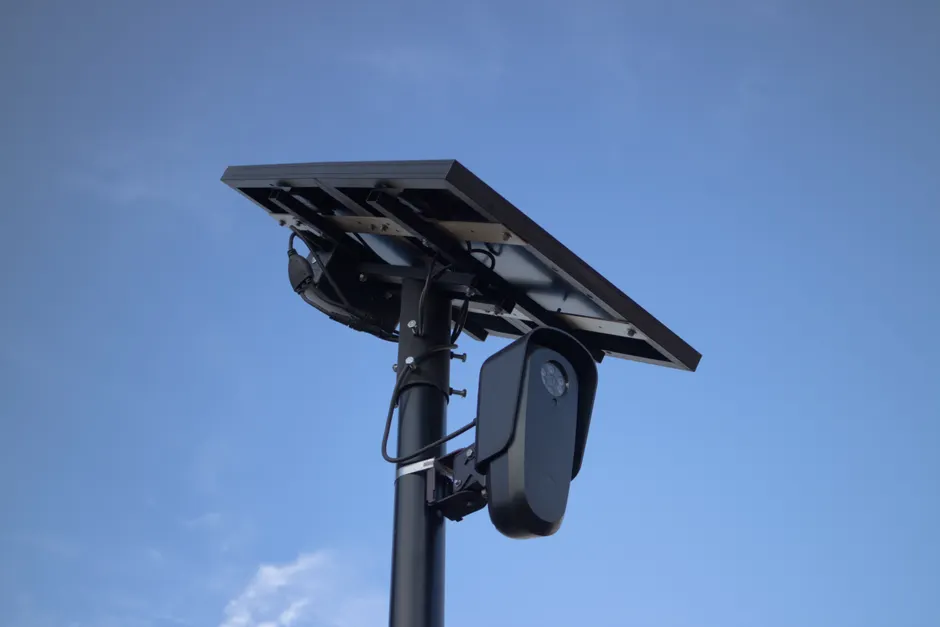
Flock's own website describes more sounds. It states its audio systems can detect street takeovers early and identify severe crashes in real time. The same pages say the systems expand awareness beyond gunfire with alerts for car crashes, fireworks, and sideshows. The Gunshot Detection description adds that it listens for gunshots and other background sounds in nearby neighborhoods to give earlier warning of public safety events.
Flock spokesperson Paris Lewbel kept that wider description. She said the technology is mainly used to detect gunfire but can also detect fireworks, sideshows, and possible car crashes.
Langley spoke about part of that history onstage. When Flock announced Gunshot Detection, it said the technology would listen for "screaming." Langley said only a couple of customers tested distress detection and the company then decided the product would cover gunshots plain and simple.
Company papers describe a limited system that switches on with events, like a smoke alarm that sounds only for certain sounds. Flock Safety states its Gunshot and Audio Detection is event-triggered and policy-governed. It states the system turns on only for a sound pattern of interest, such as a gunshot. Flock Safety The company states it is built to recognize specific sounds, not people, and states it cannot understand speech or study language. Flock Safety It says the audio joins with video and license plate data through FlockOS for a multi-angle view, using video, license plate readers, and drones to give officers more evidence than shell casings alone.
The broader context here is about words, not only technology. "Mainly used for" and "able to detect" are different claims than "just." One is about use. The other is about ability. That difference matters for buying, testing, and public review. A gunshots-only tool needs one set of training, testing, and plans for false alarms. A tool for crashes, fireworks, and sideshows needs another, with different issues from city noise, mixed sounds, and when to alert.
In my view, Flock needs to be exact here. Public microphones depend on trust in what turns them on, how long recordings are kept, and how they link to cameras and license plate readers. Recording only on events helps, but only if the public sound list is clear and steady. The hopeful part is still real. Faster notice of crashes and gunfire can save minutes that matter for victims and responders. That result is easier to judge when the words onstage match the product page.