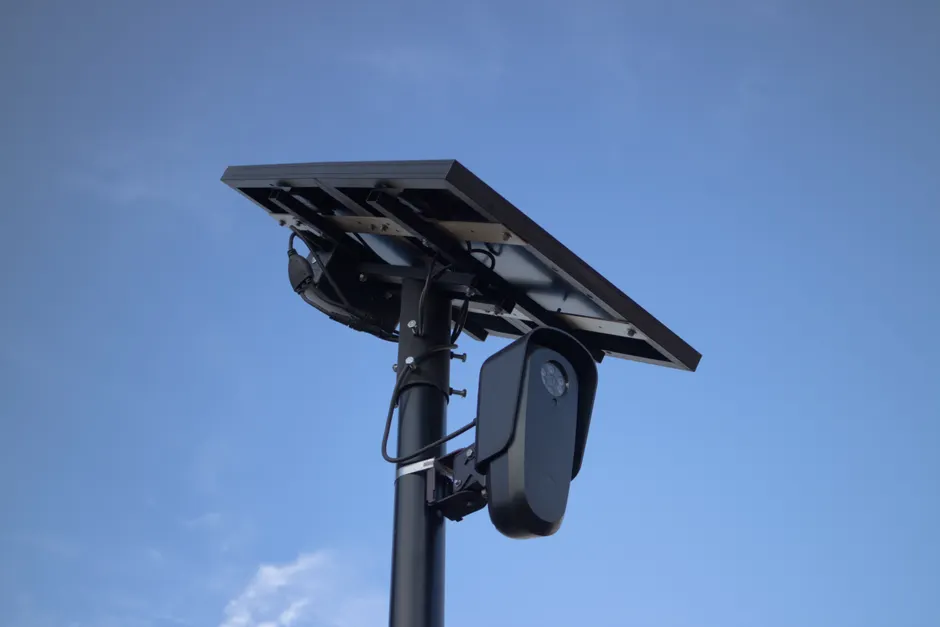
Why a Camera Company Says It Will Keep Filming License Plates
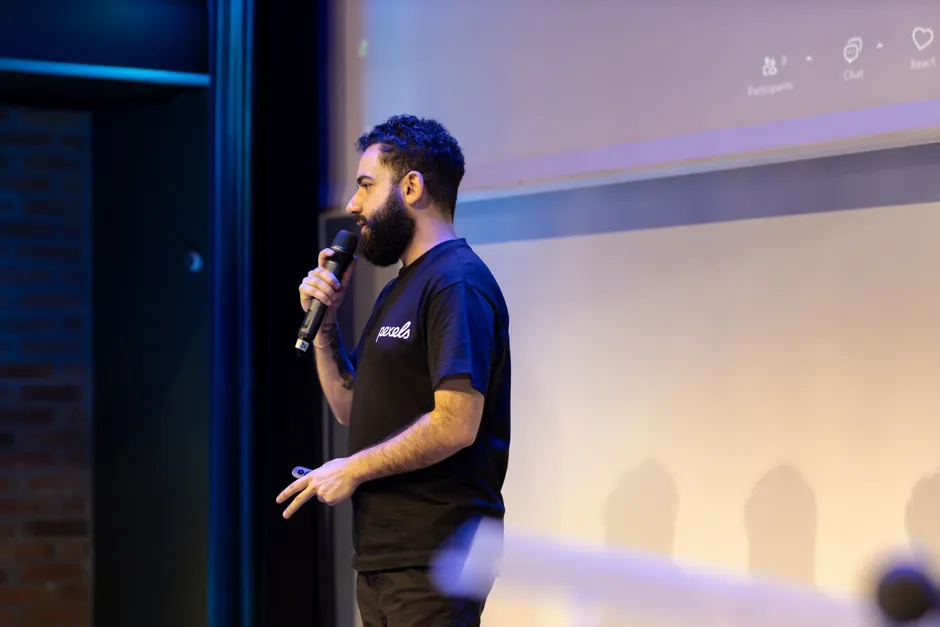
Flock founder and CEO Garrett Langley defended his company's surveillance cameras on stage at TechCrunch Disrupt 2026 in San Francisco.
His core argument was to keep installing them. "If we want to live in a society where, if you commit a crime, you have a higher probability of being held accountable, we shouldn't pause progress," Langley said, according to TechCrunch.
Flock makes license plate cameras and other recording devices. The company says its platform is used by police, schools, businesses, and neighborhoods, and that it helps them respond faster, investigate better, and work together in one place.
Langley described limits on what the hardware does. The cameras do not have facial recognition. He said Flock's microphones detect "just gunshots," a description tied to a product that listens for gunshots, according to TechCrunch. He did not agree with the criticism, but said Flock is far from perfect during the Disrupt interview.
On rules, Langley described Flock as a supplier, not a rulemaker. "We don't want to tell city leaders how to do their job," he said. Flock will offer suggestions and default settings while keeping required features, functions, and policies to a minimum.
TechCrunch had scheduled Langley in July to discuss the future of surveillance at Disrupt 2026. In August 2026, Flock Safety faced growing public outcry over concerns its technology could be misused, and Langley called for "compromise" as the backlash built, according to TechCrunch. Flock cut staff in October 2026 as the privacy backlash grew.
The broader context here is basic. Think of these cameras like a library log for cars. Taking the photo is the easy part. The hard part is how long the record is kept, who can search it, and who checks the log. Those rules decide trust.
In my view, the choice between suggestions and requirements matters. Suggestions make it easier for different towns with different laws to buy the system. They also leave big decisions to thousands of separate customers. That allows local control. It makes it hard to check from the outside that rules are followed.
Worth flagging for buyers is what "just gunshots" and no facial recognition really mean. "Just gunshots" says what the system should hear, not how it works. Buyers will want to know what the microphone can hear, where the sound is sorted, what is thrown away, what is saved, and how those claims are tested. The same is true for no facial recognition. That limit matters only with clear rules on how plate and car data can be mixed with other systems.
In this author's view, Langley's refusal to pause is not surprising. Sellers of this kind of tool rarely ask for a pause. The better question is how to measure both sides, more crimes solved and clear, checkable limits on misuse. Over time, this technology has given small police teams and shops tools that once took much larger staffs. That helps when a case with no witness or time stamp can move forward. The risk is also real when data kept for one reason is used for another without a clear public decision.