Is YouTube Getting Audiobooks? What We Know So Far
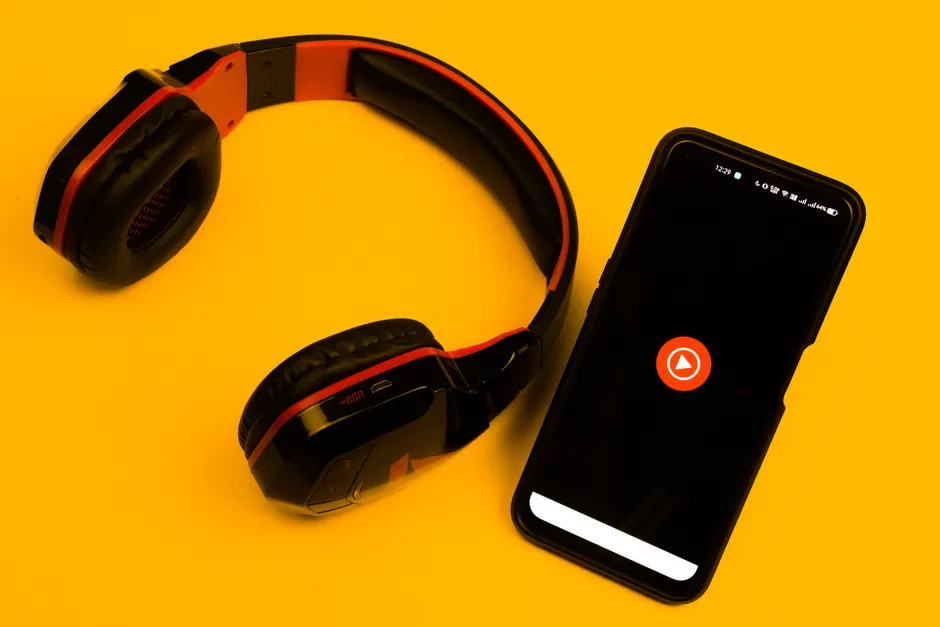
YouTube is preparing to launch an audiobooks feature as soon as next year, according to Engadget citing The Wall Street Journal. The plan is still in early development.
The Journal described the talks in an article titled "YouTube Is Looking to Expand Into Audiobooks" published Oct. 14. It reported that YouTube, which is owned by Alphabet, has talked with publishers about building the feature. Engadget, reporting Oct. 15, said those talks happened over the previous months.
One idea being considered is including audiobooks with the ad-free Premium service costing $16 per month. Engadget reported that detail citing the Journal. Engadget also reported that YouTube had yet to confirm whether it is planning an audiobook section.
The broader context here is that audiobooks sound simple. Play a file, save your place, change the speed. The hard part, like a library keeping track of thousands of borrowed books, is behind the scenes, in adding large catalogs, respecting rights, checking what each person can listen to on each device, and recommending hours-long books instead of short videos. Those details are not in the current reporting, but they decide whether this kind of project works.
In my view, how YouTube sells it matters more than when it arrives. Selling books one by one and including them with Premium create different choices for publishers, for prices, and for how listening is counted. Including them makes the offer simple for customers and the payment math harder behind the scenes. Selling them separately does the opposite.
In my view, caution makes sense here. With no confirmation and no detail on design, pricing structure, or book selection, there is little for builders to act on yet. What it does show is where large platforms see room to grow, in keeping subscribers and in audio you can enjoy without looking at a screen. Those reasons tend to last, even if the plan changes.
Looking at what this could mean for listeners, the real change would not be another button in the app. It would be trying a book, sharing a short clip, and picking up where you left off on your phone, computer, or TV without thinking about it. I have watched my own children switch between video and audio without seeing much of a boundary, and that habit says a lot about where listening fits.


