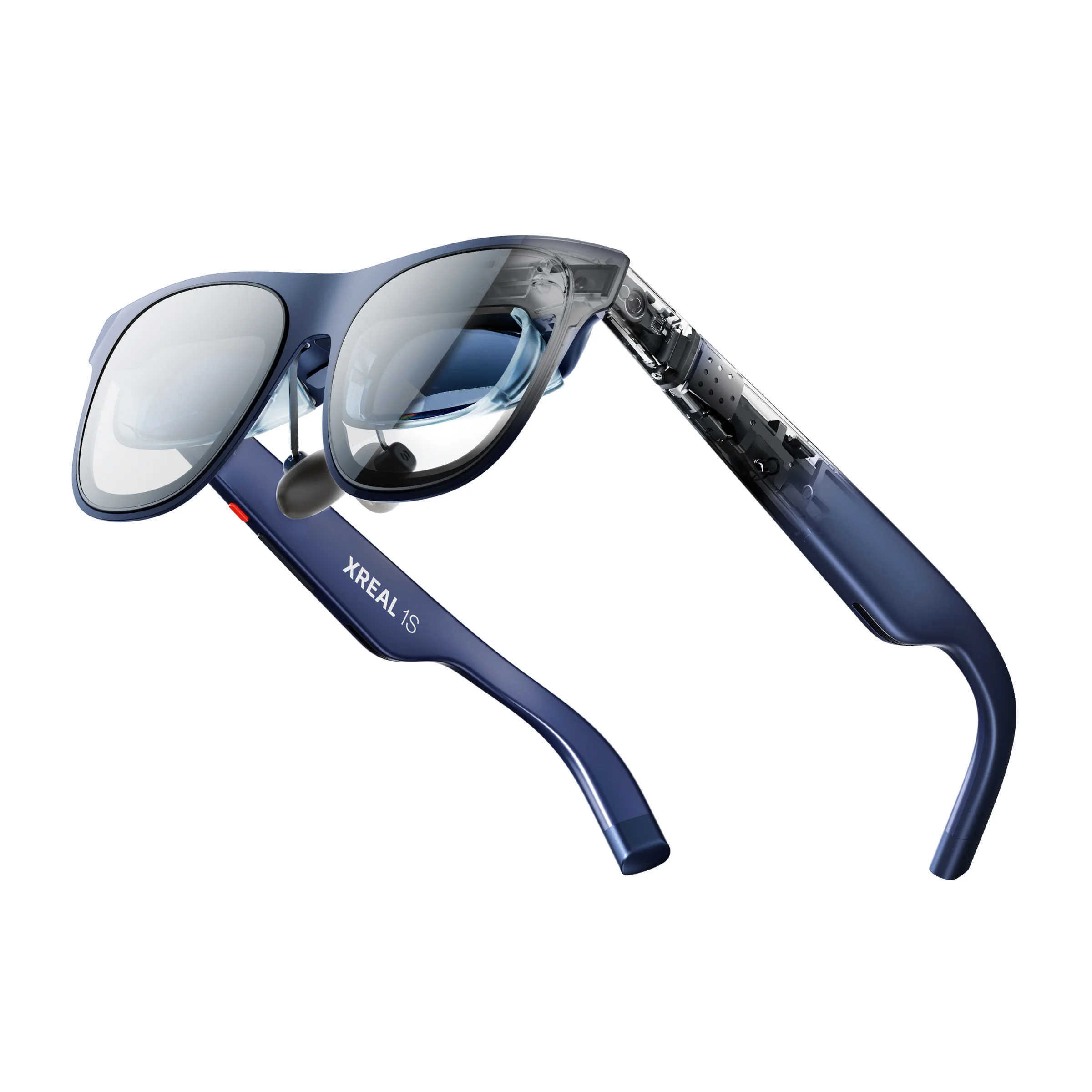
Xreal's New Display Glasses Are Brighter and More Comfortable for $600
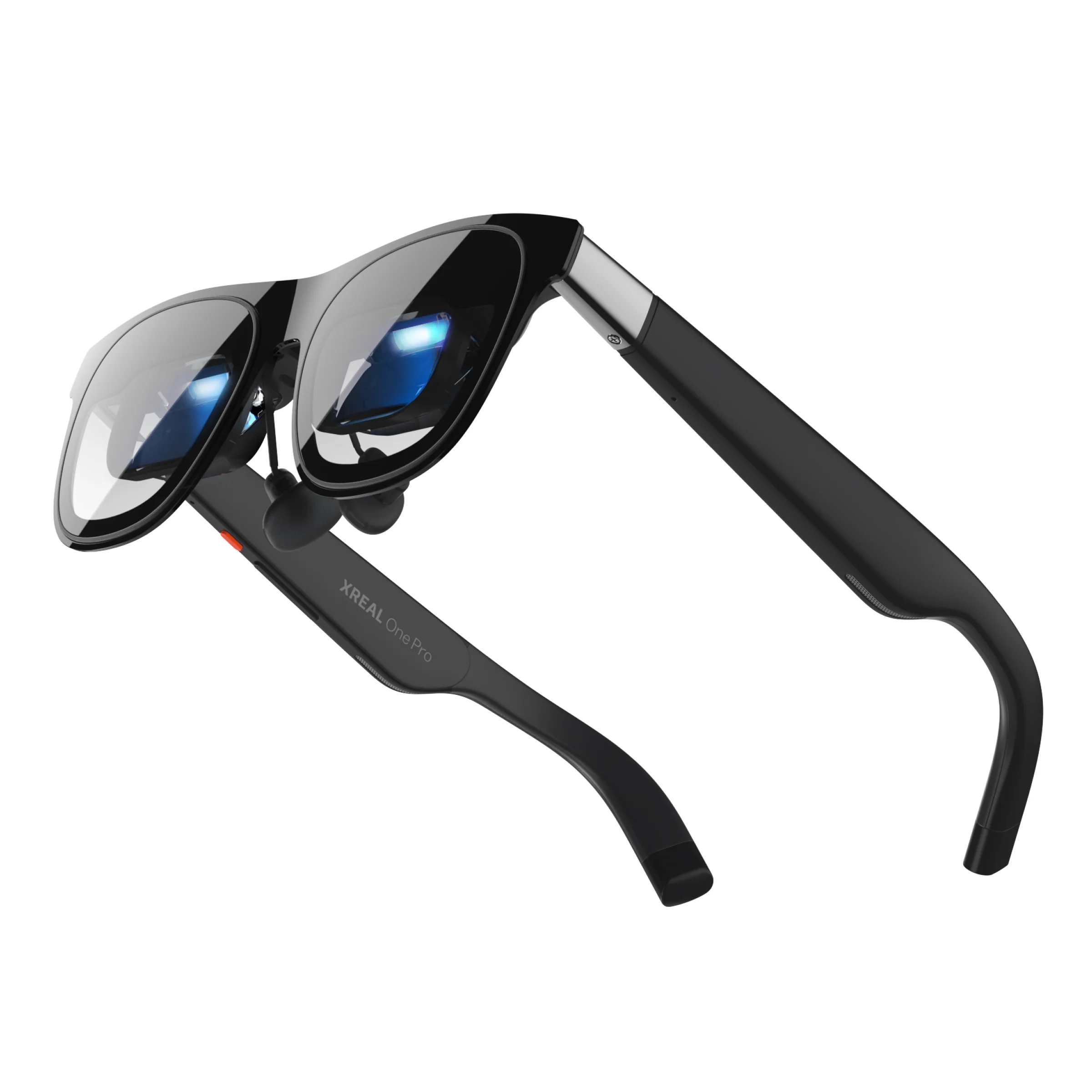
Xreal has released the One Pro+, a new version of its One Pro display glasses. They are on sale now for $600, the same price as the regular One Pro, according to Engadget.
The screen gets much brighter. Peak brightness is 1,200 nits, up from 700 nits. That keeps text and video readable in bright light, much like watching a TV next to a sunny window. The glasses also add AI HDR upscaling, which improves color and contrast.
The main chip is the same. The One Pro+ still uses the X1 spatial computing chip. What is faster is 2D-to-3D conversion, which turns flat video into video with depth. It now runs at 60Hz, twice the 30Hz of the One Pro. That means smoother motion with less shaking and timing errors in stereoscopic and spatial video.
The viewing area stays the same at 57 degrees through X-Prism optics. The screen is a 0.55-inch Sony Micro-OLED display, according to Xreal. Refresh rate is 120Hz with 3ms delay, so motion looks smooth. These are plug-in glasses that connect to a phone or computer. They are not standalone headsets that map a room on their own with SLAM and full movement tracking, known as 6DoF.
Comfort and sound are revised. There is a new nose pad to help the glasses sit steady for longer. They come in two IPD sizes, M and L. IPD is the spacing between the eyes. Sound is Sound by Bose, with audio parts made for these glasses. There is no camera.
The regular One Pro already had a larger field of view, higher brightness and lighter weight than the model before it. Xreal has other hardware work going in 2026. On May 19, 2026, the company said it and Google showed Project Aura at Google I/O 2026. On January 26, 2026, it announced a strategic partnership with ASUS Republic of Gamers and introduced the ROG XREAL R1 gaming glasses.
The broader context here for buyers is simple. Xreal improved the screen and image processing, not the main chip. Keeping the X1 while raising brightness, adding HDR processing and doubling the conversion rate shows there was still room to get more from the display. For video, training and field-service viewing, that brightness matters because it keeps words and pictures readable near windows or outside.
In my view, two choices stand out. The price stayed at $600 even with a brighter screen and new nose design, which points to display parts getting cheaper to make and attention to longer wear. Leaving out the camera gives up sensing the room in return for more privacy and comfort around other people. That makes sense for offices, travel and shared spaces. It is less advanced on paper than a full headset, and more helpful as a bright personal screen people will actually wear.