Iran's Supreme Leader Dies: What Comes Next?
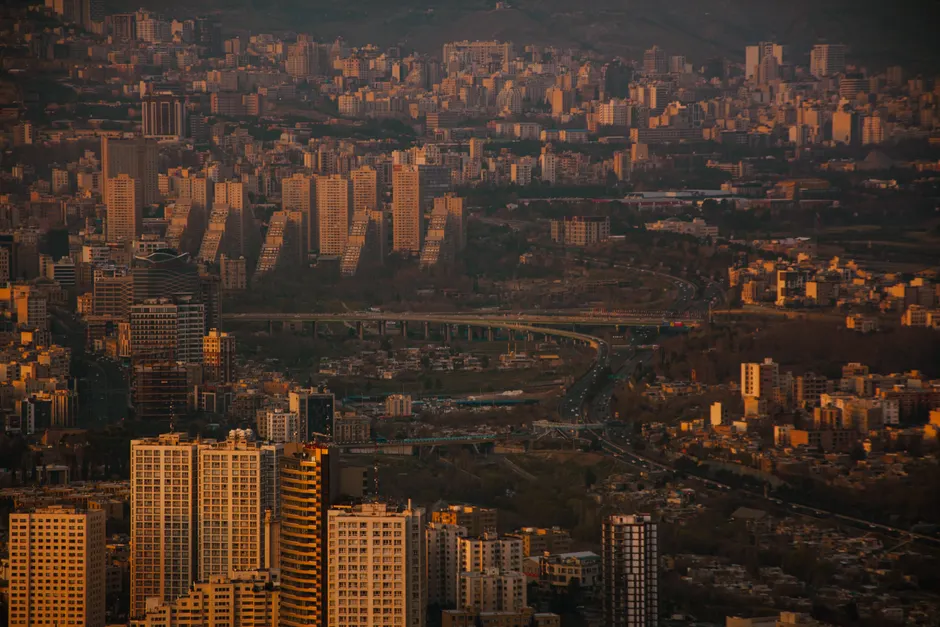
Iran is holding a massive state funeral for its Supreme Leader, Ayatollah Ali Khamenei, who died recently. On July 6, 2026, his funeral procession moved through Tehran's streets with millions of people expected to line the route. But one detail caught the attention of observers worldwide: Mojtaba Khamenei, the Supreme Leader's son, was notably absent.
The ceremonies began July 4 and will run through July 9, with the main funeral prayer held on July 5. IRNA reported the events, while Reuters noted the missing family member. A second procession is planned for Qom, one of Islam's holiest cities.
A Global Event
This is not just a funeral — it is a major international event. Officials from 100 countries are attending. The Iranian military was brought in to handle security for the millions expected to gather. The government even set up special visas for mourners traveling from other countries and created an online platform called "LetUsRise" so people around the world could participate remotely.
Iran is using this moment to show the world that its influence extends far beyond its borders. The funeral is being framed as significant not just for Iran but for Muslims globally and for the network of allies Iran has built across the Middle East.
The Question of Succession
What happens next matters far more than the funeral itself. Khamenei was Supreme Leader for almost 40 years — since 1989. He held enormous power, controlling Iran's military, judiciary, and religious institutions all at once.
Now Iran's Assembly of Experts — a group of senior religious leaders — must choose a new Supreme Leader. This process will reshape Iran's government and its relationships with other countries, including negotiations over its nuclear program and conflicts in the region.
The absence of Mojtaba Khamenei is worth watching. He has never held an official government position, yet for years people have discussed him as a possible future leader. No one has confirmed why he wasn't at the main funeral, but that unexplained absence will likely fuel questions about who might take power next and whether Iran's leadership is unified or fractured.


