E-Readers Are About to Get Better Color

E Ink has announced Kaleido 4, its next color screen for e-readers. The news was detailed on Oct. 15, 2026. The Verge
Most color e-readers today use Kaleido 3. It is in devices from Kobo, PocketBook, and Boox. Amazon's Kindle Colorsoft uses a modified version of Kaleido 3.
Kaleido and Gallery make color in different ways. Kaleido 3 adds a color filter on top of a black-and-white ink screen. Gallery 3 instead moves colored ink particles to form the picture.
E Ink says Kaleido 4 doubles the range of colors it can show compared with Kaleido 3. The total number stays at 4,096 colors, the same limit as before. It is like brighter crayons from the same small box. Color pictures also stay less sharp than black-and-white text, because each pixel is split into color parts.
The new screen looks whiter and clearer. White reflectance is up 15 percent, so the background looks more like paper. Contrast is up 50 percent, so text is easier to read. That matters because these screens are read in room light and daylight, not with a backlight.
Inside is a new electronic layer that switches pixels faster. It refreshes up to 18 times per second, so it can show short video. It will not match a phone or TV for motion. Because the screen holds an image without power, it can now handle page turns and pen writing plus short clips and smoother menus while still using little power.
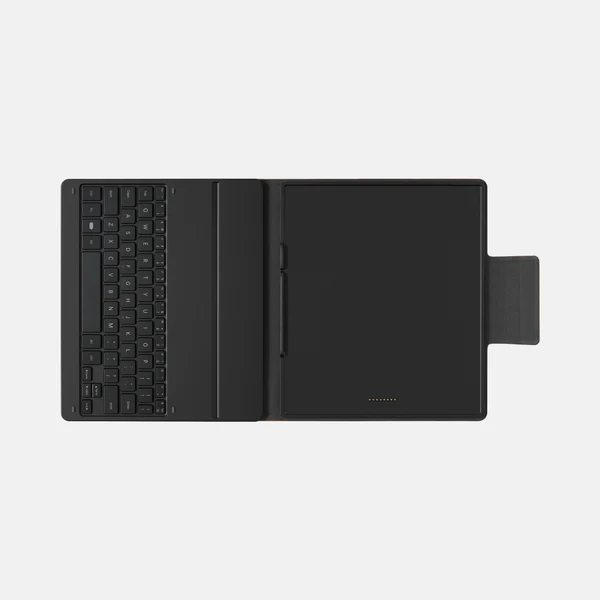
The first product is not from the big brands. Hanvon Technology will use Kaleido 4 first in its M10C II tablet. It will sell only in China. It has etched glass to cut glare and feel like paper when writing with a pen that needs no battery.
The broader context here is steady progress, not one big breakthrough. Twice the range with the same 4,096 colors means deeper color, not photo quality.
In my view, that change matters for daily reading. For comics, schoolbooks, marked-up files, and store signs, richer color and clearer text in normal light help more than a higher color count.
Looking at product design, whiter pages, darker text, and faster refresh fix three old complaints: faded backgrounds, gray text, and slow touch. One limit stays. Text will look sharper than color pictures on the same screen, so apps still need to handle them separately.
On the long arc, if Hanvon ships on time in China, makers in the West will have a real example to study. The aim is one low-power device that is comfortable like paper for reading, writing, and light video, now with better color. Kaleido 4 does not finish the job, but it moves closer.