Why the Prime Minister and Foreign Secretary Got Involved in a World Cup Kick-Off Time

Sir Keir Starmer told government officials to argue against FIFA moving England's World Cup match against Mexico to an earlier time. The Football Association and Mexican FA both objected to a plan to kick off six hours earlier, with less than 48 hours' warning, according to the BBC.
Foreign Secretary Yvette Cooper did more than that. She spoke directly to the British Ambassador to Mexico and asked diplomatic staff to make formal complaints to FIFA about the change. The Football Association agreed with her, standing alongside Mexico's FA. Mexican manager Javier Aguirre called it a "kick in the gut".
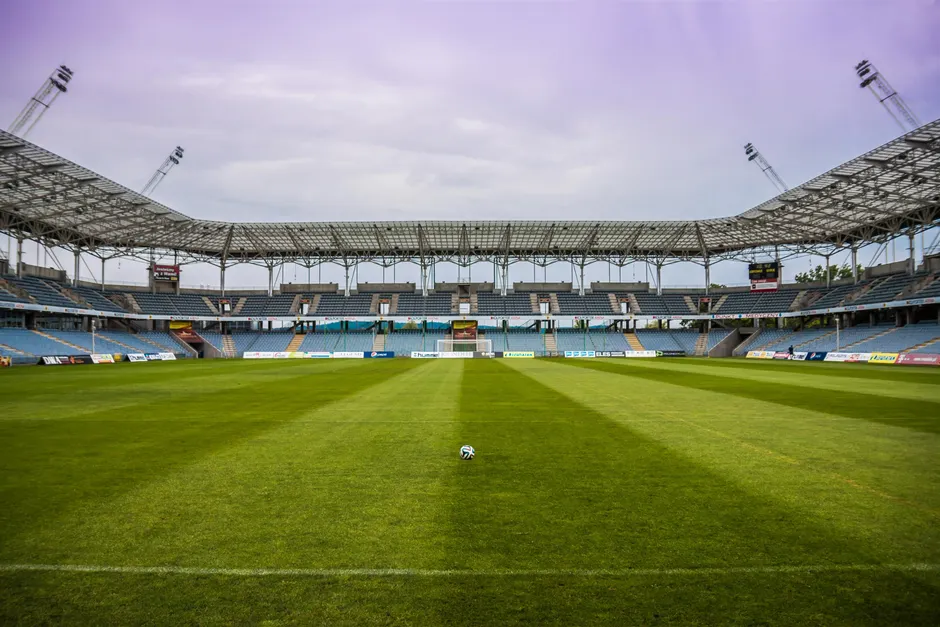
FIFA wanted to move the kick-off time because weather forecasts predicted lightning and severe flooding around the Azteca Stadium in Mexico City, which seats over 87,000 people. News of the possible change emerged around 7pm on Friday 3 July, according to Sky Sports. For more than five hours, nobody knew what would happen. Then FIFA said the match would stay at its original time.
The original plan was for a 1am kickoff on Monday 6 July — so early in the morning that the government had already stepped in domestically. Ministers said pubs and bars across England and Wales could stay open until 5am that day, something that normally only happens for very rare occasions like royal events.
In the end, FIFA kept the original time but delayed the match by one hour because of the weather. The game started at 2am, as shown on the FA's official results page. England won 3-2.
Why this matters
When the Prime Minister tells officials what to say to a world sporting body, and the Foreign Secretary uses diplomats to argue about a football match, it is not ordinary business. Around 3,000 England supporters were travelling to Mexico, and their hotels, flights and plans were booked for a specific kick-off time. A six-hour shift could have left them stranded or unable to travel home.
The two football associations took the straightforward position that you cannot suddenly move a match of this size six hours earlier with only two days' notice. It would have been chaos on the ground — for travel, for ticketing, for everything else that goes with a World Cup match. Objecting through every channel available to them made sense.
FIFA did in the end decide to keep the schedule as planned. They only delayed by one hour for weather rather than moving it six hours earlier. Whether that happened because of the objections from the football bodies and the diplomatic pressure is unclear — FIFA did not say publicly.
Security was another part of the puzzle. Riot police were stationed at the England team hotel in Mexico, ITV News reported, which shows how sensitive a match between these two nations on Mexican soil can be.
The real question underneath all this is simple: who decides when a match kicks off when weather, travel logistics, broadcasting, and the host country's needs all point in different directions? FIFA says it has that power under its own rules. What happened on Monday showed how quickly a government will use its ambassadors and ministers to argue otherwise when the stakes feel high enough.