Iran's Supreme Leader Is Dead. Now What?
Ayatollah Ali Khamenei, Iran's most powerful religious and political leader, was killed in a US-Israeli airstrike on February 28, 2026. His body arrived in the holy city of Qom on July 6 in what has become a massive funeral ceremony broadcast on Iranian state television.
The airstrike also killed four of Khamenei's family members, including a 14-month-old granddaughter. A separate airstrike in March killed Ali Larijani, who led Iran's national security council. Iran is now conducting a six-day funeral that moves through Tehran, Qom, Iraq, and ends in Mashhad. This is the largest state mourning Iran has held since the death of Khomeini, the founder of the Islamic Republic, in 1989.
Millions in the Streets
In Tehran alone, millions of people came to the streets over three days. A truck carrying Khamenei's coffin moved through central Tehran to Azadi Square. According to the city's emergency services chief, more than 34,000 people needed medical attention during the ceremonies, though no one died. High-ranking Iranian officials attended, including the foreign minister, judiciary chief, and the head of the Quds Force — a military unit that answers directly to the Supreme Leader. Even Mahmoud Ahmadinejad, a former president who had publicly disagreed with Khamenei in recent years, attended. This was his first public appearance since the conflict began.
A New Leader Who Hasn't Been Seen
About one week after his father's death, Mojtaba Khamenei — the former leader's son — was appointed as the new Supreme Leader. But he has not appeared in public since that appointment. He was not at any of the funeral ceremonies.
Mohammad Eslami, a researcher at Tehran University, told Al Jazeera that Mojtaba is staying out of sight for safety reasons and because of the ongoing ceasefire negotiations between Iran and its adversaries. But there is more to it. Mojtaba has not had time to build the kind of authority and respect his father had gathered over more than thirty years. His appointment also skipped the normal process by which Iran's clerical leadership usually selects a new Supreme Leader. His continued absence during this major moment of national mourning sends a signal — to both powerful Iranians and foreign governments watching — about whether he can actually lead the country right now.
A Funeral With Regional Meaning
Iran included processions in Najaf and Karbala, two of the holiest cities in Shia Islam, located in Iraq. This wasn't accidental. By holding ceremonies in Iraq, Tehran is sending the message that Khamenei's death matters not just to Iran but to Shia Muslims across the entire region. Iran has spent decades building influence in Iraq, and these processions are part of that story.
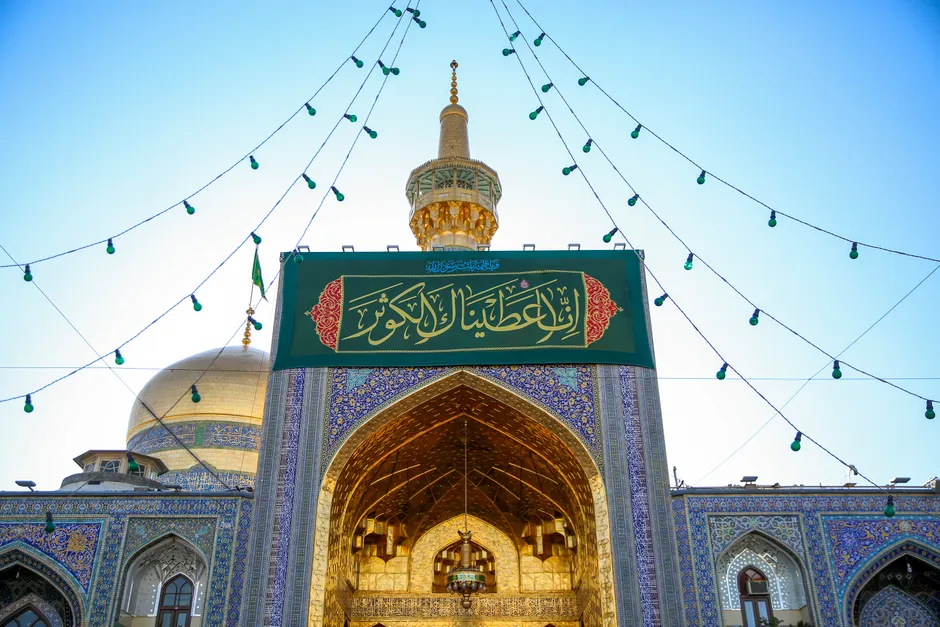
Khamenei will be buried at the shrine of Imam Reza in Mashhad, which is the holiest site in Shia Iran. That is significant. The founder of the Islamic Republic, Khomeini, was buried in Tehran. By burying Khamenei in Mashhad, Iran's clerical leaders are placing him within the sacred map of their faith — a choice that matters to the clergy and to millions of pilgrims who visit the shrine each year.
The Real Questions Remain
The funeral is a ritual — a way for Iran to process a loss and show strength. But underneath, major questions remain unsolved. Will the ceasefire negotiations between Iran and its enemies succeed? Can Mojtaba Khamenei build real authority? What will Iran do militarily in the coming months? When the funeral ends on Thursday, all of those pressures will come back to the surface.


