NATO Gathers in Turkey as Trump's Commitment to the Alliance Stays Uncertain
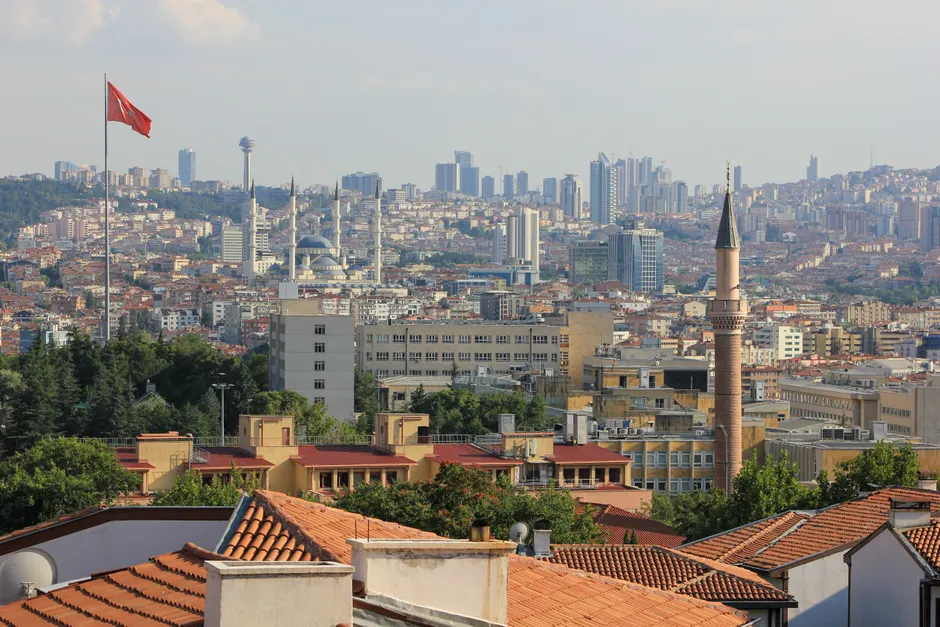
NATO held its annual leaders' meeting in Ankara, Turkey on Tuesday, July 7, 2026. The choice of location mattered. Turkey, which hosts the meeting, is suddenly becoming more important to the alliance — and that shift says something about how fragile NATO feels right now.
Secretary General Mark Rutte had traveled to Washington in late June to persuade President Trump that NATO still matters, according to reporting from the New York Times. Trump was expected to attend the Ankara summit. Whether he would show up committed to supporting the alliance, or show up to challenge it, was the biggest unknown going into the meeting.
Why Turkey Has Become More Important
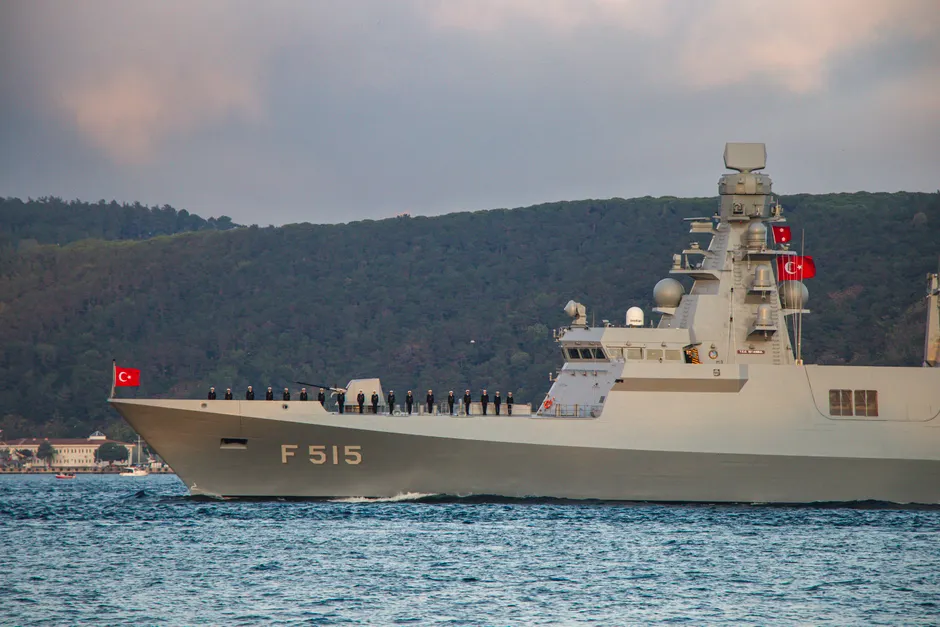
NATO members are paying closer attention to Turkey right now — not because Turkey has changed, but because they are reassessing what the alliance needs. A New York Times report from July 6 laid out the reason: Turkey has a large military, is building its own defense equipment, and controls two critical waterways — the Bosphorus and Dardanelles — through which all ships pass between the Mediterranean and the Black Sea.
Turkey has always been the difficult member of NATO. It blocked Sweden and Finland from joining for years. It kept trading with Russia even after Russia invaded Ukraine. It threatened to buy weapons from Russia instead of from NATO allies. President Recep Tayyip Erdogan, Turkey's leader, has shown he will use Turkey's geographic position and military strength to get what he wants.
What has changed is this: as other NATO members grow worried that the United States under Trump might step back from the alliance, they are becoming more willing to work with Erdogan to keep Turkey close. Turkey's foreign minister said publicly in January 2026 that the personal relationship between Trump and Erdogan could actually help hold NATO together, per reporting from the New York Times.
NATO disputed some of the New York Times coverage. On July 6, NATO told Nikkei Asia that the reporting did not reflect what was actually happening. But NATO did not say which specific claims were wrong. That vagueness left room for confusion about whether NATO was disagreeing about Turkey's rising influence, about how much Trump has distanced himself from the alliance, or about both.
A Concrete Problem: Sanctions on Russia
The summit was supposed to tackle a specific issue. A New York Times opinion piece published July 3 called for the meeting to focus on closing loopholes in Western sanctions against Russia — rules meant to cut off money flowing to Russia's war in Ukraine. Oil prices have fallen, the piece argued, which means tightening these rules would not damage global energy markets as much as it once would have.
Right now, enforcement of sanctions on Russia has been weak. Third countries have found ways around the rules to help Russia sell oil. Ships operating secretly outside the rules of Western countries have multiplied. Whether the Ankara summit would actually produce new tools to fix these loopholes — or whether politics would get in the way — remained an open question.
The Broader European Calculation
The real story here goes beyond Turkey. It points to something deeper that Europe is doing quietly. The Carnegie Endowment released analysis on July 1 showing that European countries had largely given up trying to manage Trump's skepticism about NATO. Instead, they were planning for Europe to build its own security arrangement, separate from the United States.
This is not a public break with NATO. No European government has said it wants to leave. But there is a quiet understanding that Article 5 — the clause promising that an attack on one NATO member is an attack on all — cannot be treated as an absolute promise when the United States itself seems uncertain about honoring it.
Turkey has a place in this European contingency planning. A security system led by Europe but without Turkey would be strategically incomplete. Turkey provides military depth, surveillance capacity, and something that cannot be replaced: the power to control Russian warships moving through the Straits under an old international treaty called the Montreux Convention. European planners may not fully trust where Erdogan's loyalties lie, but they cannot easily replace what Turkey's geography offers.
The Ankara summit faced a structural test: Can an alliance built on shared defense work when its largest member is uncertain about the commitment and its most strategically important member is willing to bargain its cooperation away? Those two problems do not cancel each other out in a single day of meetings. The answer likely extends beyond whatever statement came out of Ankara.