NATO Countries Promise More Military Spending—but Questions Remain About Whether It Will Last

NATO Countries Promise More Military Spending—but Questions Remain About Whether It Will Last
NATO leaders wrapped up their annual summit in Ankara, Turkey on July 8 with a promise: member countries will spend €70 billion (roughly $76 billion) on military equipment this year, and announced more than $50 billion in new weapons and defense contracts during the meeting nato.int. NATO Secretary General Mark Rutte kept the message simple: "NATO delivers." He repeated this phrase to emphasize that the military alliance is finally putting money behind its promises—not just talking about it.
This spending matters because of pressure from U.S. President Trump. For more than a year, Trump has criticized European NATO members for not paying enough toward collective defense, demanding they spend more. A Congressional Research Service report prepared for Congress predicted allied leaders would directly address Trump's complaints at the Ankara meeting congress.gov. Reuters noted the summit took place amid concern about whether the United States would continue supporting European security Reuters, while Courthouse News Service reported that Trump's unpredictable behavior created uncertainty over the talks Courthouse News.
But Rutte's own statements before and during the summit paint a more complicated picture. Before arriving in Ankara, Rutte revealed something unsettling: Trump had "very heavily hinted" that he wants to annex Greenland, a territory controlled by Denmark—a founding NATO member nato.int. That the Secretary General would mention territorial ambitions toward a NATO ally's land while preparing for a summit shows how much Trump's presidency has disrupted normal diplomatic relations. Then, just days later in Ankara, Rutte switched tone and said that NATO members had "warmly welcomed" Trump's leadership and praised him for "transforming the Alliance" nato.int. These two very different statements, just four days apart, show that Rutte is trying to manage a difficult situation.
This balancing act continued throughout the summit process. Rutte and Trump made joint statements in Ankara on July 8 nato.int. Earlier, at a June 25 White House meeting, Rutte told Trump that European countries and Canada were "on a trajectory" to spend more on defense nato.int. That phrase—"on a trajectory," meaning heading in the right direction—became Rutte's standard way of describing the progress, rather than saying the goal was already met. He used the same language in appearances with German leaders on July 1 nato.int and British officials in June.
The official NATO statement published July 8 contains the €70 billion commitment and the procurement numbers nato.int. These summit statements function as political promises, not binding legal contracts. What that means in plain terms: the €70 billion is a pledge for the year 2026 across all member countries, but it depends on whether each government actually puts the money in its national defense budget and follows through. The actual spending is not guaranteed simply because countries signed the declaration.
The key question that neither the summit nor Rutte's statements fully answer is this: will countries keep spending more on defense after Trump leaves office, or are they spending extra mainly because Trump is pressuring them right now? Rutte's shifting language—from warning about Greenland annexation to praising Trump's changes to NATO—suggests the leadership is managing this tension day-to-day rather than solving it. The spending promises give NATO members something concrete to show. Whether these numbers reflect real, lasting change in how Europe defends itself—or just a response to current American demands—will only become clear as countries actually spend the money and as the next U.S. president decides how involved America will be in European security.
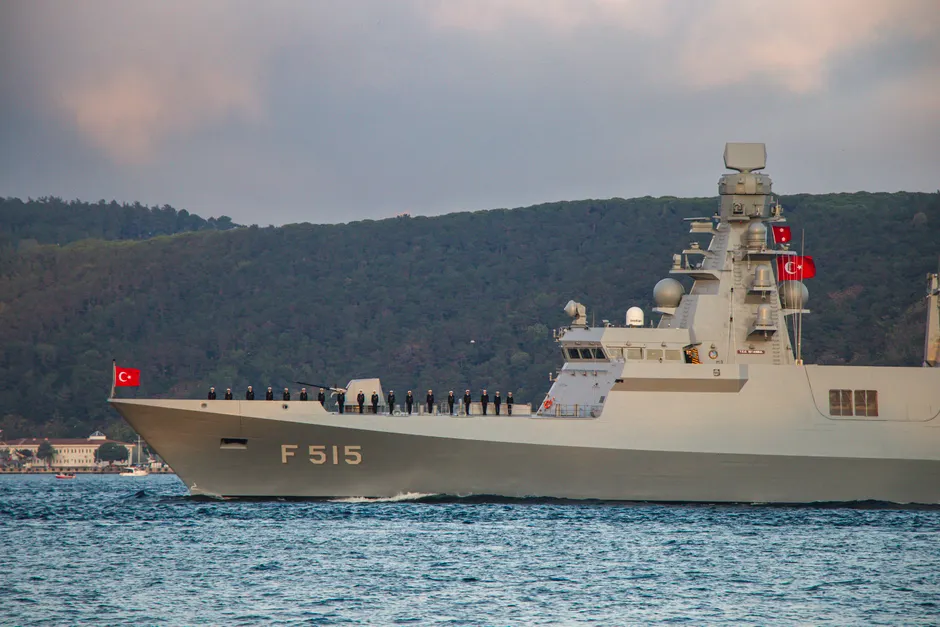
Turkey's decision to host the summit adds context. Turkey has sometimes disagreed with other NATO members on matters like Sweden joining the alliance and Syria policy. Being the host put Turkey's own military industry alongside the broader NATO spending commitments, though the final declaration did not give Turkish companies any special advantages beyond what all NATO members agreed to.