Iran Buries Its Leader. His Successor Hasn't Been Seen.
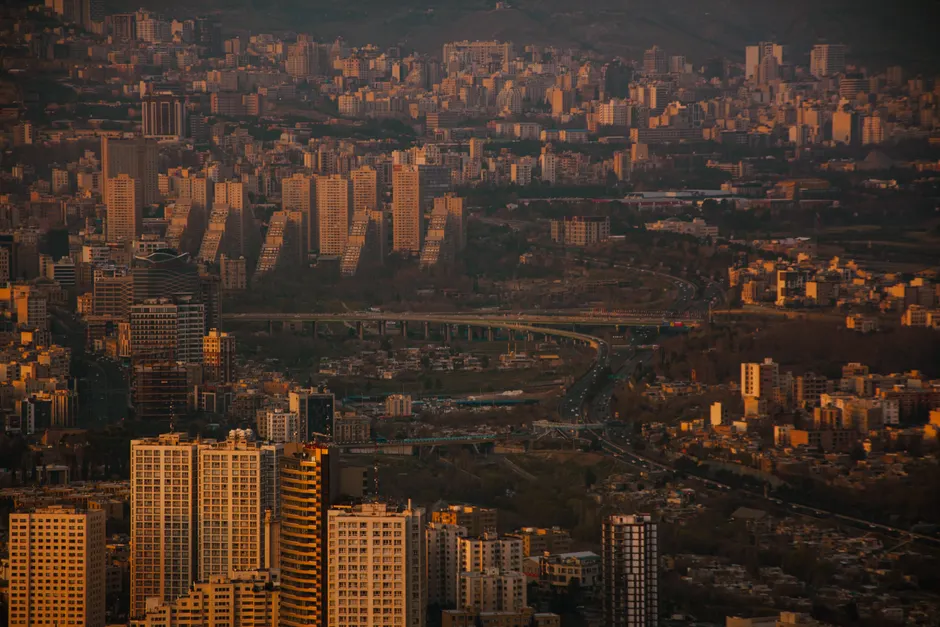
Iran buried Ayatollah Ali Khamenei on Thursday after weeks of funeral processions. Khamenei led Iran for 37 years as its Supreme Leader—the highest religious and political authority in the country. He was killed on February 28 in the opening of a U.S.-Israeli air campaign Reuters.
Iran's state news agency called him "martyred in a US-Israeli attack" and announced 40 days of public mourning IRNA. The conflict that followed killed more than 3,000 people, including many of Iran's top government and military officials. Islamic tradition requires burial within a day, but Khamenei's burial was delayed for months because of the ongoing war Reuters.
His body lay in a mosque for three days as crowds paid their respects. State media said the funeral was the "event of the century." Organisers also hired 400 social media influencers to appear in the crowds—a sign of how carefully the government managed what people saw and shared online.
Khamenei's 56-year-old son, Mojtaba, is now Iran's new Supreme Leader. But he has not appeared in public since the strikes that killed his father and injured him seriously, according to the BBC BBC. Three of his brothers stood at the funeral. Mojtaba was not there. Iranian officials said this was because of threats to his life.
A leader who is never seen faces a real problem. The Supreme Leader's authority comes partly from appearing in public and being seen as a strong figure. If Mojtaba stays hidden, Iranians and other countries will question whether he can actually run the country. Inside Iran's clerical leadership, there were already people who opposed him becoming Supreme Leader before the war even started.
At the funeral, mourners shouted for revenge against America. One man told the BBC he expected "signs of revenge at the top of the White House, and soon the colour of the White House will be the colour of my red flag." Reuters reported that calls for vengeance against Donald Trump were heard repeatedly throughout the funeral Reuters.
But behind the scenes, Iran's new leaders are working quietly on something very different. The BBC reports they are trying to negotiate with other countries to lift economic sanctions and unfreeze billions of dollars Iran has in foreign banks BBC. This kind of careful diplomacy typically collapses when it meets a crowd chanting for revenge. A government official told the BBC that some of the calls for vengeance are partly for show, but that real anger exists among hardliners who oppose making any deal with America.
That contradiction—saying one thing in public while trying to do another behind closed doors—is not new in Iranian politics. But it is unusually exposed right now. Iran needs money and access to its frozen assets to function after the war. Yet its new leader cannot easily tell crowds he is giving up on revenge. How Mojtaba Khamenei handles this contradiction—if he ever appears to lead openly—will determine whether Iran's government stays stable or begins to fracture.


