OpenAI Is Building a Robot That Looks Like a Person
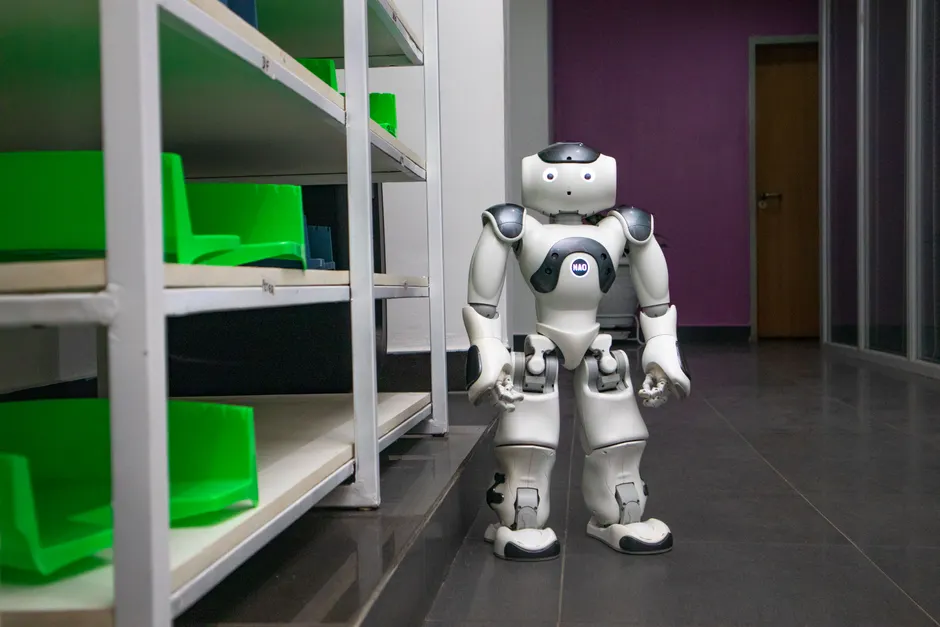
OpenAI is building a human-like robot itself.
Chief executive Sam Altman confirmed the plan on the Sources podcast. Asked if the company would build the hardware, he said, "We will." Engadget
Altman said a human shape makes sense because the world is made for people. Doors, keyboards and tools fit the human body. He said the brain of the robot, the software that runs it, matters more than exactly what it looks like.
On timing, Altman said OpenAI will show a test robot in 2027. He does not expect robots walking the streets for a few years after that.
The hiring detail describes a full hardware and software program. OpenAI is hiring for how the robot moves, how it tells where it is and what it touches, how it controls its joints, how the whole robot behaves, and the computers used to train this kind of real-world AI.
The listings describe custom body parts, including motors, parts that pass on movement, sensors and cooling systems. They also describe factories and supply chains to make hardware in large numbers.
OpenAI has done robot learning before. Its Dactyl project taught a robot hand to hold real objects after training only inside computer simulation, like a pilot training in a flight simulator. It was later tried on a Rubik's Cube.
The confirmation follows earlier reporting. In early September, coverage said OpenAI was building the robot itself, not only the software to run it Forbes. Altman separately told Bloomberg that the big moment for human-like robots has not come yet but is coming soon Automate.
Separately, OpenAI showed GPT-6 Astra in early September 2026 as its latest AI model Bloomberg. In January, the company said it was investing in Merge Labs to work on links between brains and computers OpenAI. In September 2026, Altman told staff the company was open to slowing AI work Reuters. On October 15, 2026, he backed a push for AI rules and said the world was right to be afraid Reuters.
The broader context here is the split Altman makes between brain and body. Showing walking and picking things up in a test room is one thing. Working alone in messy places is harder. Handling slips, bumps, and changes in objects and light remains the limit. A controlled demo in 2027, with street use a few years later, fits that difficulty.
In my view, the job listings deserve close reading. They cover movement, sensing and joint control, plus custom motors and sensors, plus factories and supply chains. That is a plan to build the whole robot, not only the software. Making one robot for a demo is easy. Making many that work the same way takes careful factory work as well as model training. Over time, a machine that fits human spaces could keep improving as the software improves.


