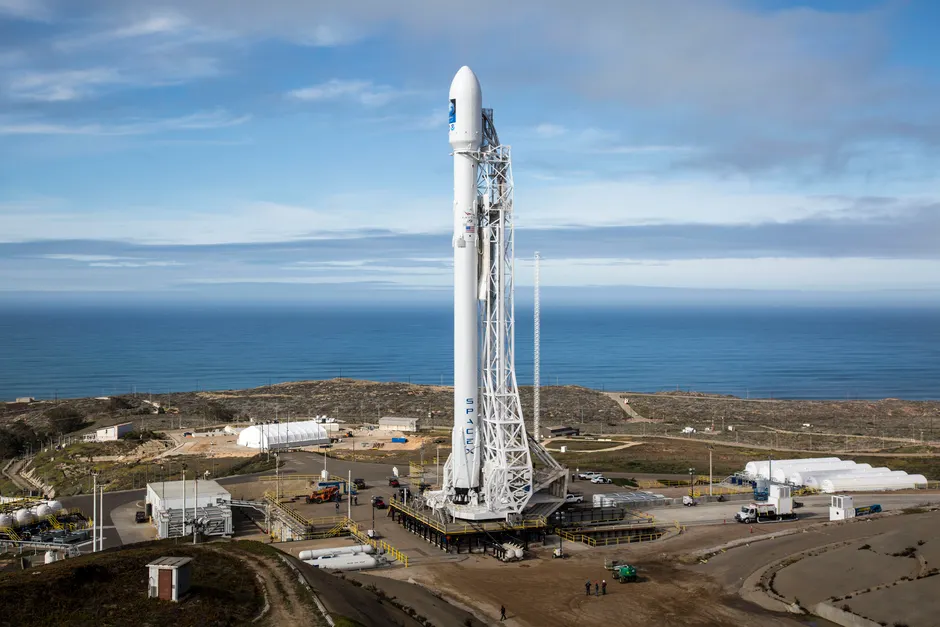
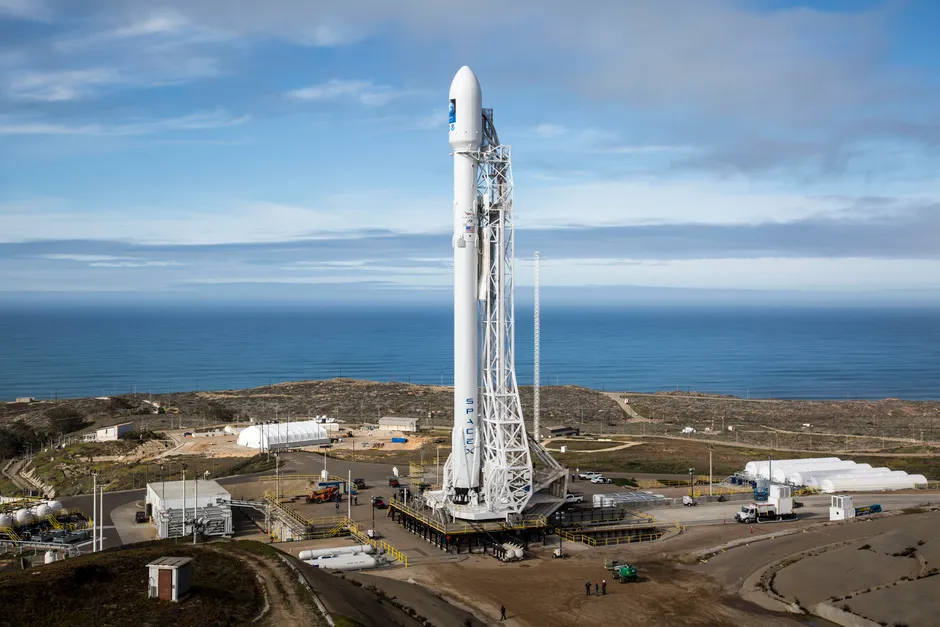
SpaceX Renames AI Business and Talks About Data Centers in Space
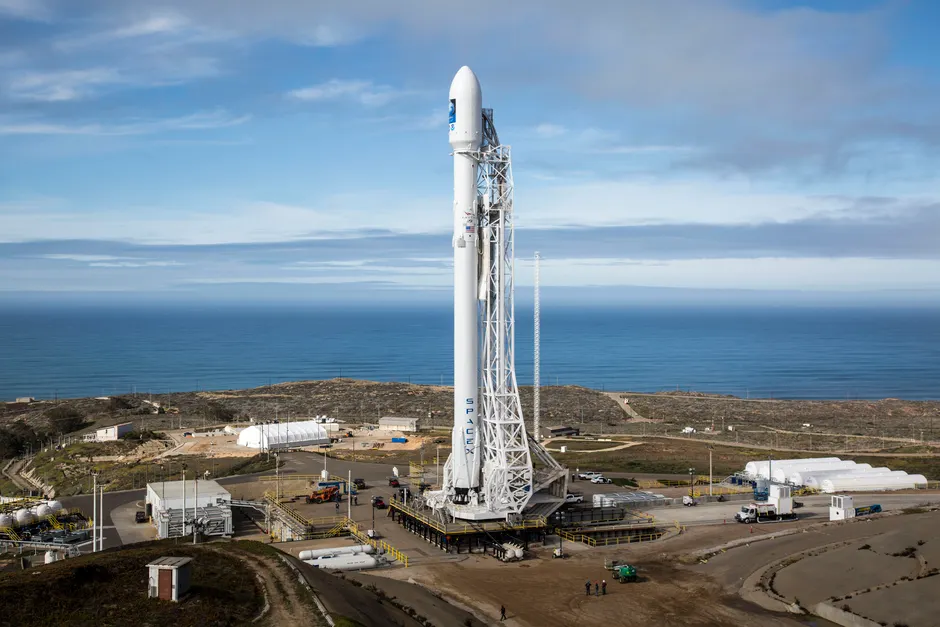
SpaceX has officially changed the name of its AI division from xAI to SpaceXAI. The company announced the rebrand on X (formerly Twitter), which it owns, and updated its website to match. Corporate filings will likely follow in the coming weeks.
The rebrand happened about five months after SpaceX acquired xAI in February. The founder Elon Musk had hinted at the new name back in May. SpaceX still runs a separate account on X for its rocket launches and spacecraft updates, so this rebrand keeps the AI side separate while bringing it under the SpaceX name.
To understand what happened here, you need to know that three different companies have been merged together over the past year and a half: SpaceX (the rocket company), xAI (the AI company), and X (the social platform). They now all operate under one corporate parent and one brand.
In June, the combined company went public—meaning it sold shares to the public for the first time. The shares sold at $161 each, giving the company a total value of $2.1 trillion. Unusually, the company changed its name about a month after going public, which is rare for newly public companies.
Musk has explained the rebrand by pointing to a problem: the world needs so much electricity to train and run AI systems that power plants on Earth may not be able to keep up. His solution is to build data centers in orbit—essentially, computer facilities floating in space powered by the sun. SpaceX even filed paperwork with the Federal Communications Commission (the agency that approves space activities in the US) to launch about a million satellites to support this idea, and that filing came before the xAI acquisition was even announced.
Why would this work. In space, solar power is always available—no clouds or nighttime get in the way. And without Earth's atmosphere, heat can radiate directly into the vacuum of space, which means cooling the computers would use much less electricity than it does in buildings on the ground. The problem is that nobody has ever actually done this. Building and running data centers in space involves challenges that have not been solved yet: protecting computers from radiation, getting data to and from Earth fast enough, and keeping satellites working while they are in orbit.
The idea that Earth's power grid cannot keep up with AI is worth taking seriously. Training new AI models does require enormous amounts of electricity, and building new power plants takes years. But going from filing paperwork to actually running computer centers in space is a huge engineering challenge. Musk has a track record of announcing timelines for new hardware projects that turn out to be faster than what actually happens.
Meanwhile, SpaceXAI is also launching ordinary AI products that consumers can use right now. In June, it partnered with Gopuff, a grocery delivery company, to release an AI shopping assistant that learns what you like to buy and can deliver your order within minutes. This shows that the company is working on everyday AI applications at the same time it is planning for data centers in space—two very different timelines running in parallel.
What matters now is whether SpaceXAI can actually build and operate data centers in orbit, or whether this remains an ambitious filing with the FCC. That answer will determine whether this rebrand is building real infrastructure or mostly narrative.