Deadly Storms Strike Three Parts of China at Once

At least 15 people died and thousands were displaced as severe weather hit three separate regions of China within two days in early July 2026. Tornadoes, floods, and a landslide unfolded simultaneously across hundreds of miles, testing rescue efforts and emergency resources The Guardian.
In Hubei province, tornadoes struck late on July 6, bringing violent spinning winds that killed at least 11 people and hurt 331 others. The state news agency reported the system moved fast and hit hard, with winds that only lasted hours but caused severe damage. Nearly 4,800 homes were damaged, and 22 were completely destroyed.
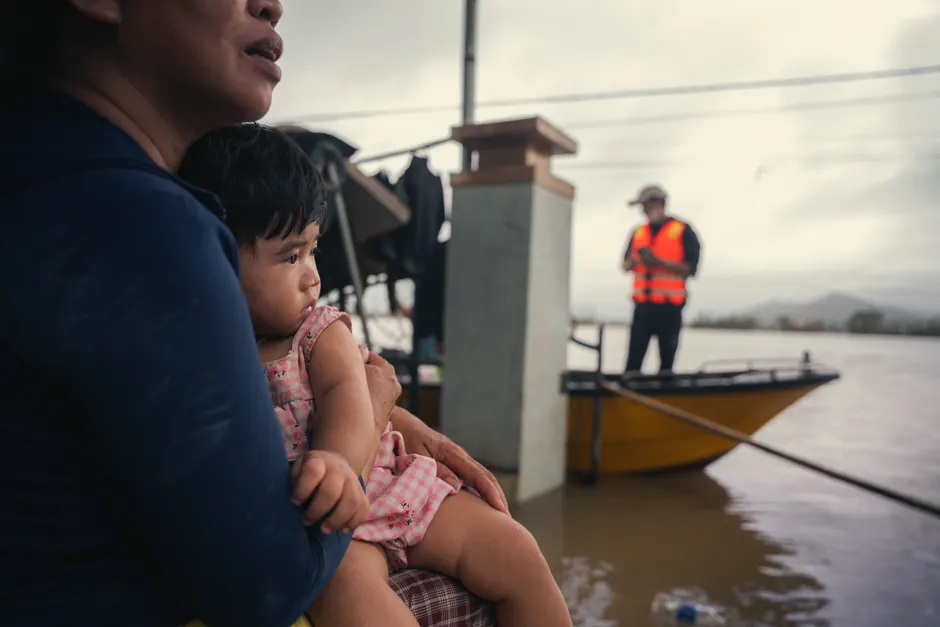
Hubei is just one part of the crisis. In Guangxi province, heavy rain from Typhoon Maysak overwhelmed rivers and broke through dams. The flooding killed at least 4 people and left 8 missing. About 50,000 people had to leave their homes. The capital city, Nanning, declared its highest level of emergency—a step that brings in the military and official emergency teams to manage the disaster.
On July 7, a mountain collapsed in Gansu province and buried a village. The slide trapped 33 people. By that morning, rescuers had pulled 17 to safety, but 16 were still missing, according to Reuters Reuters. Officials warned that more of the mountainside could give way while rescue teams worked—a common risk after landslides because the ground stays unstable for days.
China's top leader, Xi Jinping, ordered rescue teams to give "all out" effort. When national leaders use this language during disasters, it typically signals they are paying close attention and that military rescue units and extra disaster funds will be sent to the affected areas.
What made this event unusual was the timing and the spread. These three different types of disaster—tornadoes, river flooding, and a mountainside collapse—happened because of how China's weather patterns and landscape work in early summer. Tropical moisture from the ocean meets cooler air over land, creating instability. Hubei, which sits on a major river system, regularly gets severe convective storms. Guangxi faces typhoons rolling in from the Pacific. Gansu's mountains have soil that easily becomes unstable when it gets soaked with rain. In just two days, each region experienced the danger it is most vulnerable to.
The next few days matter. If more rain falls on Guangxi, the evacuation could expand. If rain stops, the emergency response can ease. In Gansu, rescue teams will keep searching as long as they believe people might be alive under the debris—but that window closes quickly after about three days in landslide situations.