Why Russia's War Claims Don't Add Up—and What It Means
Vladimir Putin said on television that Russian forces had completely taken control of the eastern Ukrainian city of Kostiantynivka and captured more than 3,000 square kilometres of territory so far this year. Independent researchers, however, found the real number was about 97 square kilometres—roughly a thirtieth of what Putin claimed Al Jazeera.
In that same broadcast, Putin told Russia's top general, Valery Gerasimov, to keep studying which Western countries are involved in the war. Putin said they would "need this analysis for the possible making of responsible decisions in the future" Al Jazeera. Russia's official records confirm Putin made these remarks on July 3, 2026 kremlin.ru.
A former Ukrainian military official told Al Jazeera that Moscow is trying to explain to its own people why the five-year war continues, and to change the story about what the war is really about—from a conflict in Ukraine to a fight against NATO and Western countries Al Jazeera.
Russia's defence ministry did claim they had captured Kostiantynivka, but used more careful language than Putin did. The way claims got bigger and bolder as they moved from military officials to the president tells you something about how these messages are shaped.
This focus on NATO and the West did not appear by accident. Russia's representative at an international security organization called the OSCE said on July 2 that NATO countries were "openly talking about preparing for a full-scale direct war with Russia." He also described NATO and the European Union as waging a "hybrid war" against Russia using Ukraine OSCE Mission. That same organization circulated plans on June 17 for a discussion about "Militarization of Europe," timed to mark the anniversary of when Nazi Germany invaded the Soviet Union on June 22, 1941 OSCE Mission.
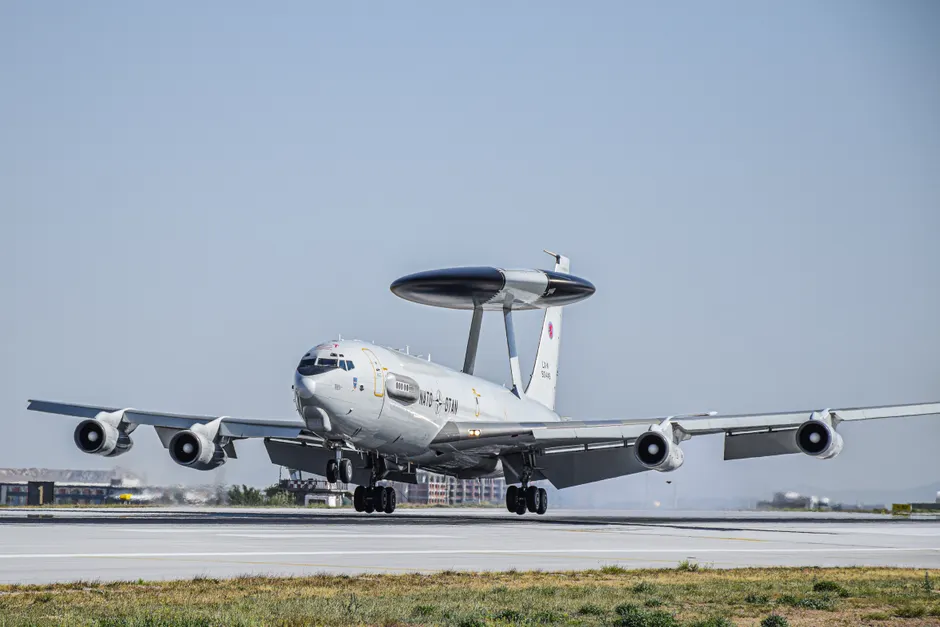
Meanwhile, NATO held military exercises during the same period. The alliance carried out naval drills in the Baltic Sea and air exercises over Scandinavia from June 8-19, involving 19 countries TASS. NATO's military leaders also announced they were reducing the number of US troops stationed in Poland and Germany right away TASS. NATO leaders met on July 7-8 in Turkey to discuss military plans against Russia and weapons supplies Reuters.
Two things are happening at the same time in an uncomfortable way: the US is pulling some troops out of Europe, but Russia keeps saying NATO is preparing for war. European officials worry that Russia could rebuild its military to threaten NATO territory within a few years Reuters. US intelligence officials have acknowledged that direct conflict between Russia and NATO is possible, though they haven't predicted when it might happen Russia Matters.
Why does the gap between Putin's numbers and real numbers matter? When a military hasn't made much progress and the war drags on, leaders need to explain that to their people. Russia is shifting its message from "we are fighting in Ukraine" to "we are fighting against NATO and the West." That kind of reframing makes stalled progress sound like resistance against a much larger enemy, and it builds a reason for Russia to ask more citizens to join the military.
What we can't know for certain is whether Russia is actually preparing to fight NATO, or simply telling its population a story about doing so. Russia's officials speak as if NATO aggression is already a fact; NATO leaders talk as if confrontation with Russia is something to plan for, not something that is already happening. Both sides are saying things that serve their own purposes. What is clear is which military exercises took place, which troops are being moved where, and how far apart the Russian claims are from what independent researchers found—the rest is a battle of words that mirrors the one on the ground.