Why Most Americans Think the Economy Is Getting Worse
Almost all Americans—95 percent—say the country is facing an affordability crisis, according to a poll released in July 2026 by Harris for The Guardian. More than half now believe the economy is getting worse, up from 46% just five months earlier The Guardian.
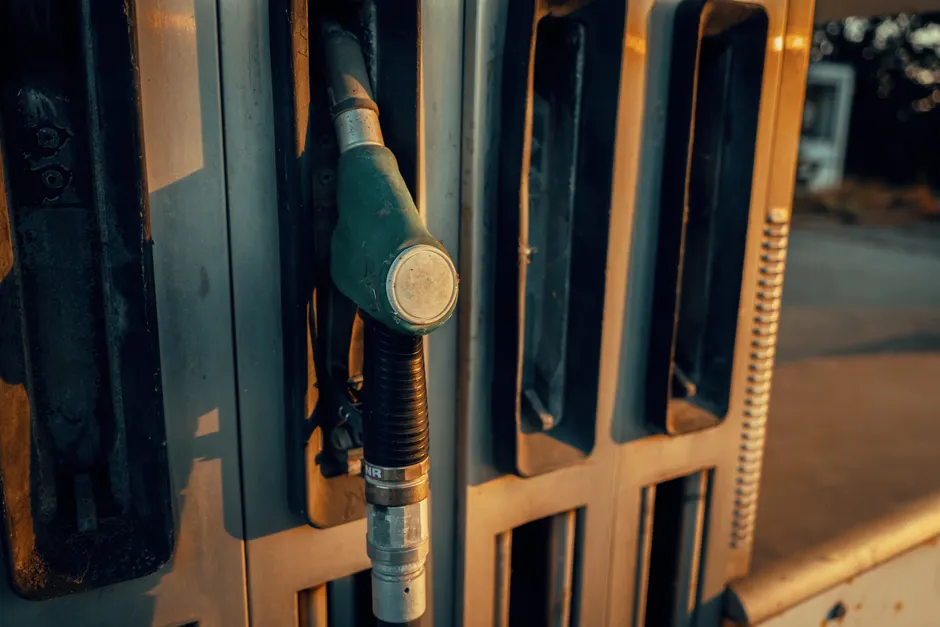
The poll was taken while the war in Iran was driving gas prices higher. The timing matters. About half of Democrats, Republicans, and independents all say they struggle to pay for basic things—gas, groceries, utilities. The squeeze feels real across party lines, even if people blame different causes.
What stands out most is how Republican voters changed their minds. In February, nearly half of Republicans thought the economy was improving. By July, that flipped: only 27% still believed that. At the same time, those who thought it was getting worse nearly doubled. This happened in just five months, without any change in who runs the White House. That kind of quick shift suggests people expected better conditions but instead got hit with rising gas prices.
Rural Americans grew especially pessimistic. Two-thirds now say the economy is worsening, a jump of 18 percentage points since February. This tracks with what happens when fuel prices spike: people in rural areas drive farther, have no public buses to use instead, and feel the pain in their wallets more sharply.
Trust in government is low. Two out of three Americans say they doubt the federal government can fix the affordability problem. Even Republicans—whose party holds the presidency—are split, with just under half expressing confidence in government action.
Why This Shift Matters
A change this large in just five months, without a new president in office, is worth taking seriously. It suggests Republican voters were optimistic based on what they expected to happen, not what had actually improved in their lives. When gas prices shot up because of the Iran war, that optimism hit reality—and things felt worse than they actually were in February. Whether people feel better if prices drop, or whether this pessimism sticks around, is too early to know from one poll.
Rural voters' sharper shift makes sense geographically. They live farther from stores and jobs, drive more, and can't easily switch to buses or trains. So when gas gets expensive, it hurts them first and hardest.
Here is the tricky part: Democrats and Republicans both say they can't afford everyday things, but they disagree on whether the economy is getting better or worse overall. People are feeling the same wallet pain, but they see the bigger picture very differently. That is a real challenge when trying to figure out what the numbers truly mean—whether people are responding to facts or to beliefs.
Other surveys from the same polling firm earlier this year point to the same concern: in April, real estate worries focused on affordability, and in Texas, three out of four Hispanic voters named cost of living as a top issue. So this is not just about one moment or one crisis. Affordability has been on people's minds all year Harris Poll.
Two-thirds of Americans doubting government is a big deal. That level of skepticism, spread across both parties, makes it hard for any president—Democrat or Republican—to claim credit if things improve. People would have to see real change, not just hear about it, before that trust comes back. If the Iran war ends and gas prices fall, we will see whether people felt temporarily discouraged or whether they have turned genuinely more pessimistic about the economy.


