A Blind Woman Turned Away From a UK Pub Over a Guide Dog 'ID' That Doesn't Exist
A Blind Woman Turned Away From a UK Pub Over a Guide Dog 'ID' That Doesn't Exist
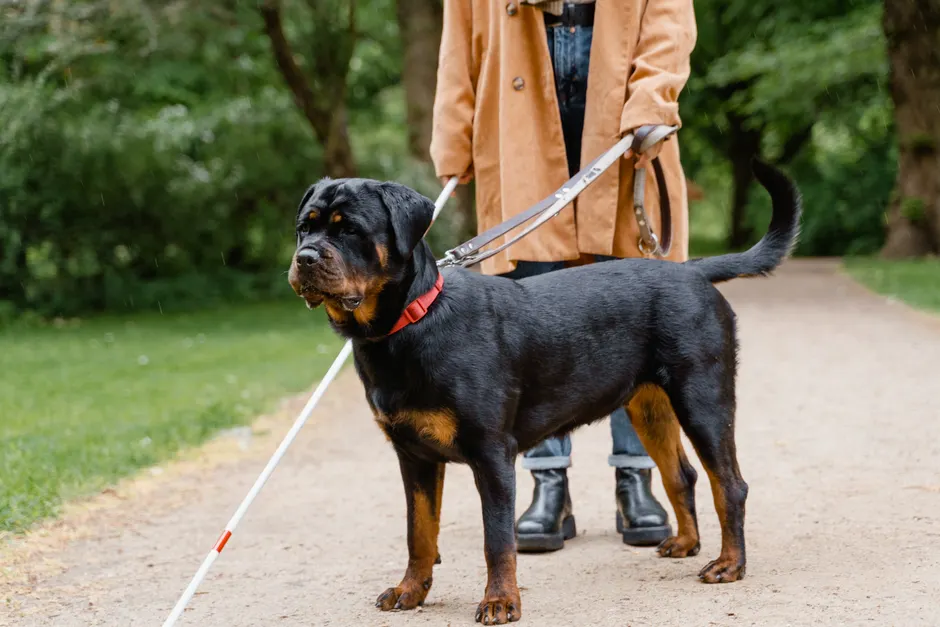
A Wetherspoons pub in Hartlepool refused to serve a blind woman in June 2026 because staff demanded she produce an identification card for her guide dog — something that does not legally exist in Britain. Joanne Hewitson, 31, went to the Ward Jackson pub with her partner and her guide dog Rosie, who was wearing a standard harness with a recognised symbol on it. A staff member told her the pub's policy required ID for the dog before she could be served Guardian.
Rosie, Hewitson's guide dog, had been working with her for about five years Gazette Live. Rather than argue, the couple left the pub. Hewitson said afterward she felt "livid" and "shaking."
The timing added another layer to the incident. This was Hewitson's first outing since she broke her back in January 2026. After months of recovery, she was attempting to return to normal life — and was turned away because of a rule that had no legal basis.
What the law actually says
Under UK law — specifically the Equality Act 2010 — guide dogs and other assistance dogs must be allowed into any public venue without requiring proof of training, certification, or ID cards. The visible harness or jacket is enough. Guide Dogs UK and other charities have made this clear for years: there is no national ID card system for assistance dogs in Britain, and no business can legally demand one.
When a venue refuses entry based on a nonexistent ID requirement, it can face a discrimination claim.
Wetherspoons responded quickly. Spokesperson Eddie Gershon said "guide dogs are welcome into our pubs, without the need for documentation" and that "an error was made on this occasion" Guardian. The company scheduled the pub's area manager to meet Hewitson in person and apologise — a more substantial response than a standard statement.
A pattern, not just one mistake
After posting about the incident on Instagram, Hewitson heard from multiple other assistance-dog owners who said they had faced the same demand for a nonexistent ID at various venues. This is a significant detail. If the same false requirement is cropping up across different pubs — whether within the same chain or elsewhere — it points to a training problem rather than one staff member making a one-off error.
For a large company like Wetherspoons, which operates hundreds of pubs across the UK with different local managers, ensuring every staff member knows the correct policy is harder than simply writing it down. High turnover in pub jobs makes training consistency even trickier. When company policy says one thing but staff on the floor enforce something different, that gap is usually where these incidents happen.
Regulators and disability charities have flagged this exact problem across the hospitality industry before. It is not unique to Wetherspoons, but it does suggest a wider issue with how businesses brief their staff on disability access law.
What comes next matters more than the apology
A quick public apology and a face-to-face meeting are the standard response when a company makes a mistake affecting disabled people — and for good reason, given how much public sympathy runs in that direction. But the real test is what happens next. Will Wetherspoons retrain all its staff across the country, or will this become a contained public-relations moment?
Hewitson's account of hearing the same story from other assistance-dog owners suggests the underlying problem goes deeper than one Hartlepool pub. That is the detail worth watching in the months ahead.