iRobot's New Roomba Doesn't Actually Clean Itself

iRobot has launched a $399 cleaning device called the Roomba Electro Plus that breaks with the company's entire history: you have to push it yourself. It is not a robot at all.
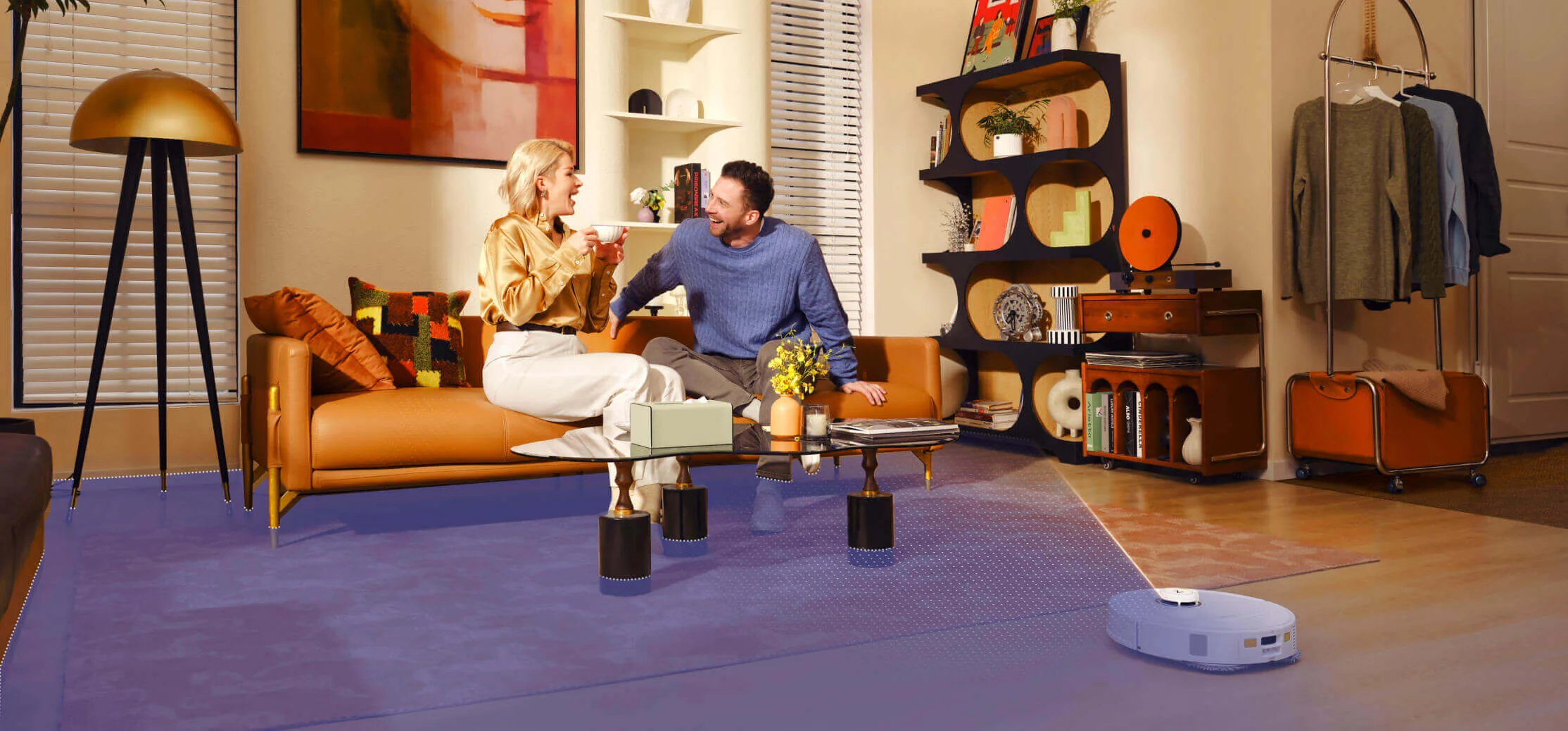
For over two decades, iRobot built its reputation on making cleaning hands-free. You set a robot vacuum loose in your home, it maps the space, avoids obstacles, empties its own bin, and comes home to charge. The Electro Plus abandons all of that. You push this cordless machine across hard floors by hand, and it vacuums, mops, and claims to disinfect all at once.
The main innovation is how it disinfects. The machine uses a process called electrolysis — think of it as running electricity through ordinary tap water to transform it into a cleaning solution — to create what iRobot says kills 99.9% of bacteria, viruses, and fungi The Verge. You don't buy special cleaning fluids; the device makes the disinfectant from water you already have at home.
The mop roller cleans itself automatically between uses, thanks to a dock that washes and dries it with hot water and air. But the water tank inside the machine itself does not. Users have to empty, clean, and refill it by hand — a chore that iRobot has spent years engineering out of its other products. A small motor helps ease the pushing effort, but the human is firmly back in the loop.
This is the real story. iRobot bet its entire brand on removing you from the cleaning process. The Electro Plus bets that some customers never wanted that deal. For $399 and no monthly fees or app subscriptions, you get disinfecting chemistry without the complexity or cost of a robot that needs to learn your home's layout. It is a different trade-off for renters, people in small spaces, or anyone uncomfortable with letting a connected device wander around unsupervised.
Five new robot models arrive too
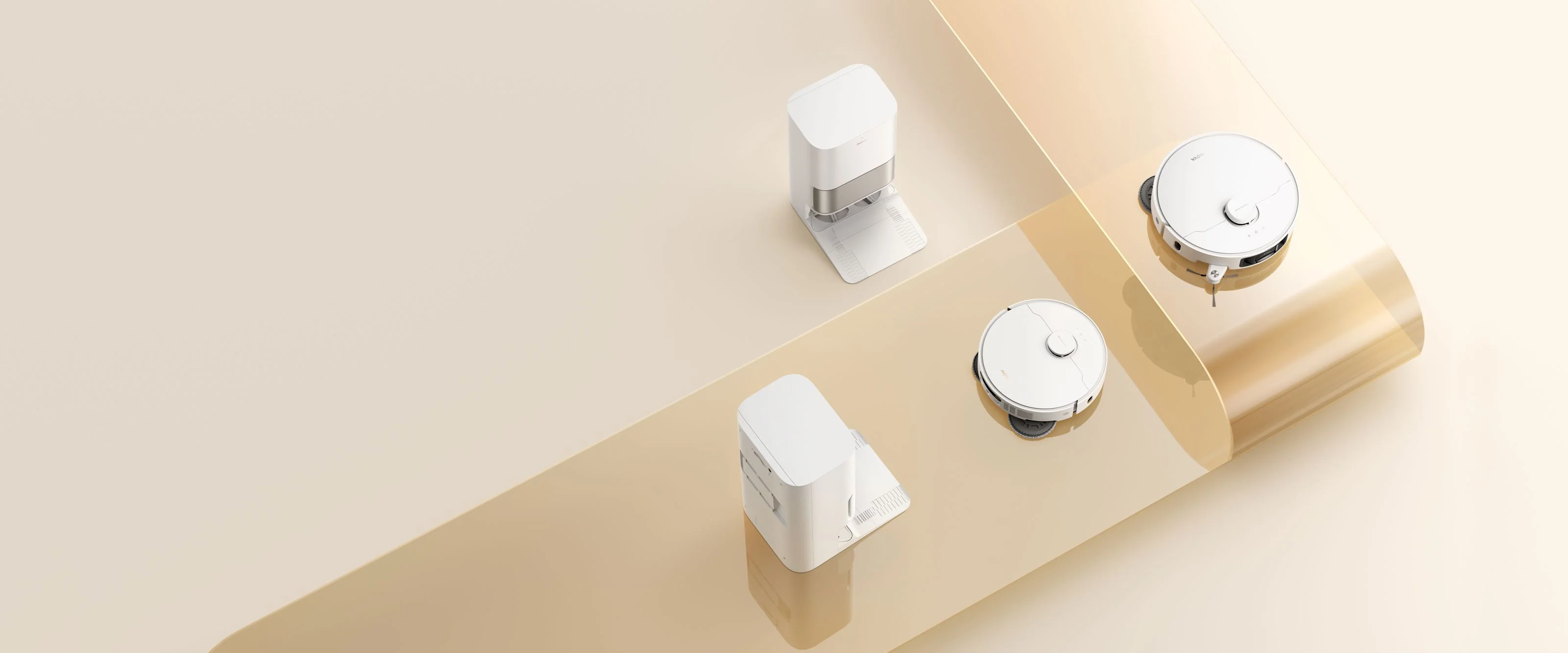
iRobot introduced five new robot vacuum models for the US market at the same time The Verge. These models already launched in Europe in May 2025, so this is staggered rollout rather than a fresh product generation.
The most expensive is the Roomba Max 775 Combo Robot + Auto Wash Dock at $999.99, an updated version of an earlier model. Below it are the Roomba Plus 505 Combo at $599 and the Roomba 105 Vac, both bundled with their docking stations. All feature stronger suction power and smaller footprints than previous generations. iRobot has not explained in detail what changed between the older and newer models.
Why iRobot is changing its playbook
iRobot's parent company, Picea, is a manufacturing partner that used to build Roombas according to iRobot's instructions. In 2025, after iRobot filed for bankruptcy, Picea bought the company outright. Now the manufacturer owns the brand and shapes its direction — including apparently pushing iRobot into products that are not robots at all.
The broader context here is a company testing whether there is a market beyond the autonomy promise that made Roomba famous. Not every buyer wants — or can afford — a robot. Some people rent their homes and cannot install permanent smart devices. Others live in cramped apartments where a full-sized robot makes no sense. The Electro Plus is a low-cost experiment to find out whether those customers will pay for smart cleaning chemistry without the robot wrapper. The core technology, the electrolyzing water treatment, is what iRobot believes is the more lasting innovation here, and it can be packaged in different devices if the first one sells well. At $399, there is little downside in finding out.