Final Fantasy's New Game Brings Back an Old Phone Adventure

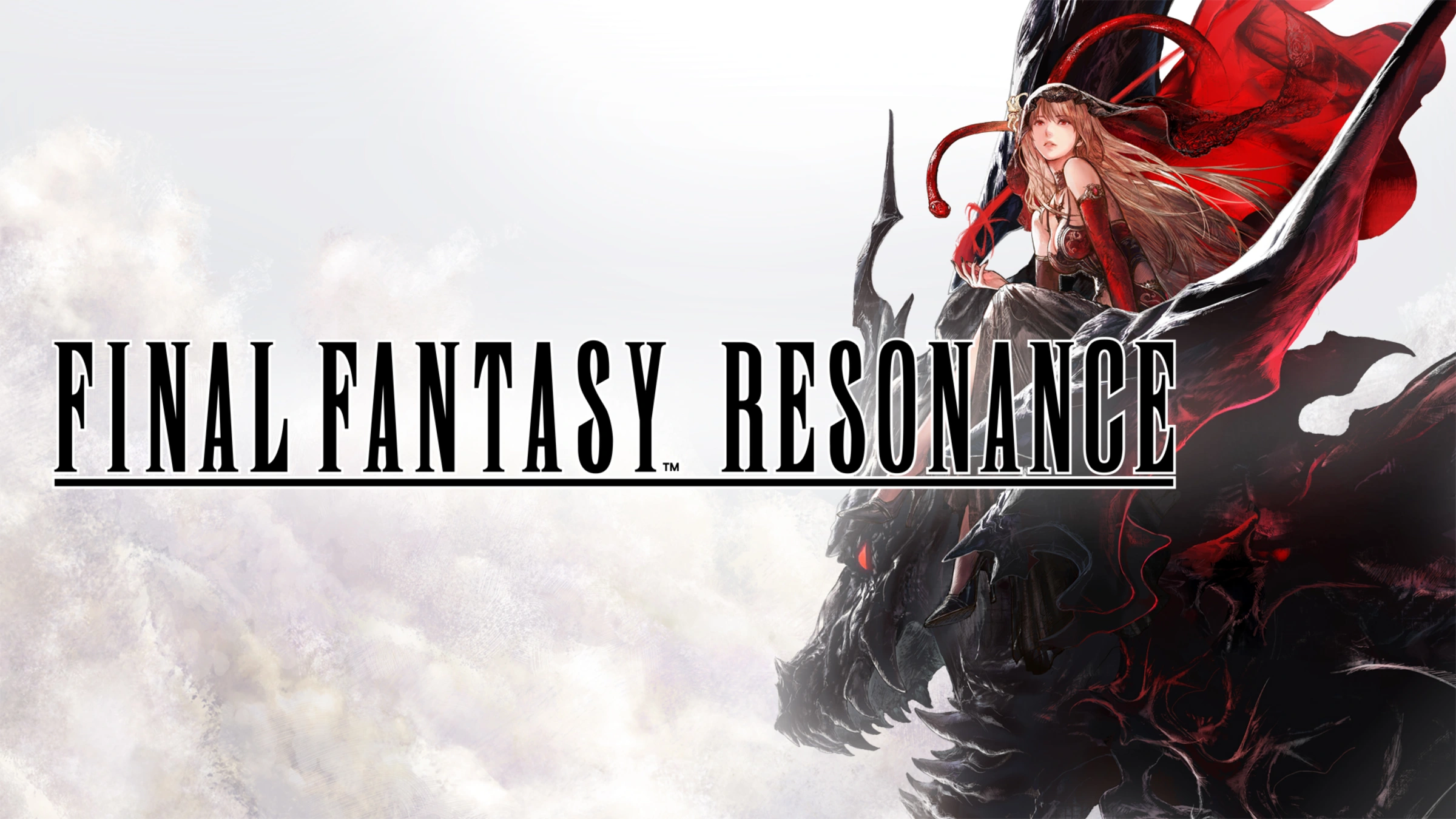
Square Enix has rebuilt an old phone game as a new game for PC and Nintendo. Final Fantasy Resonance is the first Final Fantasy game in the HD-2D style. It uses the first story from Final Fantasy Brave Exvius, the mobile role-playing game shut down in 2024, and sells it as a single-player game you buy once The Verge.
You play as Rain and Lasswell. A magic crystal has been destroyed. Your task is to stop the other crystals from being destroyed.
Fights are classic turn-based, where each side takes turns. Enemies have two bars, a health bar and a stagger bar. The stagger bar works like a shell. You crack it by hitting weak spots with magic and skills, which opens a short window for extra damage. People who played Octopath Traveler and Bravely Default will know this pattern, where saving resources and timing the break matters more than fast reflexes.
Growth comes from the Vision system. You recruit Visions from past games, including Terra Branford from Final Fantasy VI and Cloud Strife from Final Fantasy VII. Each character can equip one Vision. That Vision unlocks new battle moves, so Visions are both returning favorites and a way to change skills.
Travel is built for convenience. The world map lets you fast travel to any place you already visited. In dungeons, you can teleport from a save point near a boss fight back to the entrance. Both cut repeat walking and make it faster to retry, without changing the map layout.
The look uses pixel-style 3D models with moving camera angles Square Enix. HD-2D here means sharp pixel characters placed on a modern stage, with volumetric lighting, depth-of-field blur, and parallax layers that shift with depth. Familiar pieces return. Airships, crystals, espers and moogles are all present Square Enix Store.
The game is for PC and current Nintendo systems. It is available for pre-purchase on Steam. It is also listed for Nintendo Switch 2. The Square Enix store lists it from $49.99.
Reviews started in Japan before the West. Famitsu published the first review, as noted on Oct. 14 Nintendo Life. The Verge review followed on Oct. 20, 2026, with the detailed notes on combat, Visions, and travel used above.
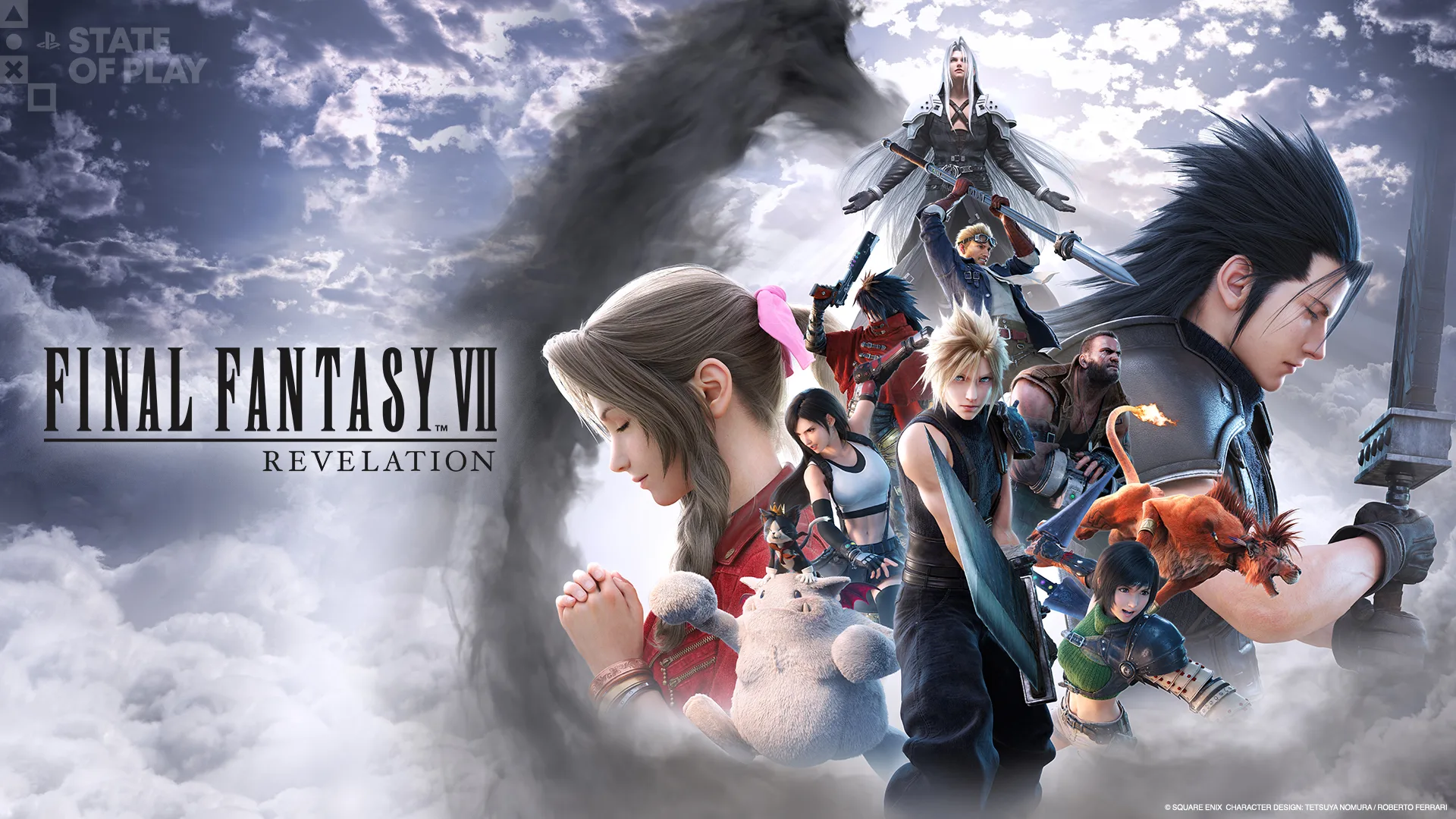
The release sits in a busy Square Enix lineup. Final Fantasy XIV launched for Nintendo Switch 2 on August 4, 2026, with Final Fantasy XIV: Evercold coming in January 2027. Final Fantasy VII Revelation launches on April 8, 2027. Around Resonance are also Dragon Quest I and II HD-2D Remake, released on October 30, 2025, Octopath Traveler 0, listed as out now on December 4, 2025, and Dissidia Duellum Final Fantasy, planned for iOS and Android in 2026 Square Enix.
The broader context here is smart reuse. Closed phone games often leave good stories behind. Square Enix is moving a finished and tested story into a game engine with known tools and fans. That lowers risk. Writers start with a fixed plot. Designers start with known bosses and character kits. Engineers use graphics work already proven in other HD-2D games.
In my view, the practical choices matter more than nostalgia. Stagger bars, weak spots, and one Vision per character force clear trade-offs. Fast travel and boss teleports save time without playing for you. For players who remember random fights, no maps, and single-save dungeons, that mix keeps the depth of turn-based play while dropping old time costs.
Worth flagging for business and platform watchers, HD-2D still looks like efficient shared tech rather than a passing look. It runs on both Switch 2 and PC graphics chips, costs less than full high-end 3D, and still uses modern effects. Bringing back Brave Exvius gives old mobile players a way to continue and gives HD-2D a Final Fantasy test. If it plays well over long hours, expect more old stories to follow the same path.